A home can become difficult to manage long before it feels impossible to live in. A steep staircase, a slick bathroom floor, or one narrow doorway can turn ordinary routines into sources of worry. The top accessibility upgrades for seniors are not about making a home feel clinical. They are practical changes that protect comfort, reduce fall risks, and help people remain in the place they know and love.
The right solution depends on the person, the home, and the areas causing the most difficulty. For one homeowner, the answer may be a stairlift that restores access to the second floor. For another, a bathroom update or a small entryway lift may make the greatest difference. Starting with daily life – not a product catalog – leads to better decisions.
Start With the Areas That Limit Daily Life
Before choosing equipment, consider where mobility challenges occur. Pay attention to the route from the bedroom to the bathroom, the kitchen, the front door, and any favorite spaces such as a patio, basement workshop, or upstairs family room. These are the paths that matter most.
Falls are often associated with stairs, but trouble can also begin with low lighting, loose rugs, uneven thresholds, hard-to-reach cabinets, and a lack of secure handholds. A home assessment can identify hazards that are easy to overlook when a family has lived in the same house for years.
Changes are usually most effective when they are planned before a crisis. Waiting until after a fall, surgery, or sudden health change can force a rushed decision. Planning early gives a homeowner more options and makes it easier to choose upgrades that fit both the home and the budget.
Top Accessibility Upgrades for Seniors to Consider
Stairlifts for safer access between floors
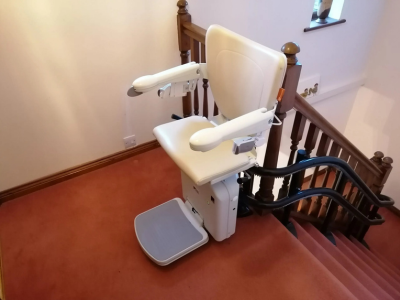
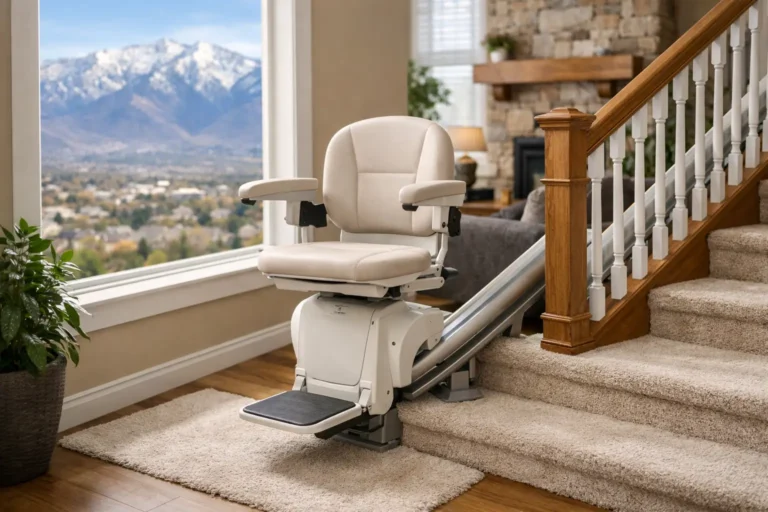
A stairlift can be one of the most meaningful upgrades for a multilevel home. It allows someone to travel between floors while seated, reducing the strain and uncertainty of climbing stairs. This can preserve access to bedrooms, laundry areas, hobby rooms, and other spaces that might otherwise go unused.
Straight stairlifts are often a good fit for a single, uninterrupted staircase. Curved staircases, landings, or turns typically require a custom rail. Fold-up seats and footrests help keep the stairs clearer for other household members, while swivel seats can make getting on and off the lift safer at the top of the stairs.
A stairlift is not always the best answer. A person must be able to transfer safely into the seat, and a very narrow staircase may require careful planning. In those cases, a vertical platform lift or residential elevator may be a better long-term solution.
Vertical platform lifts and mini VPLs
When steps lead to a porch, garage, split-level entry, or raised deck, a vertical platform lift can provide wheelchair, scooter, or walker access without a long ramp. It moves vertically between levels and can be installed indoors or outdoors, depending on the application.
Mini vertical platform lifts are designed for shorter travel distances and can work well where a few steps create a major barrier. They are especially useful when a ramp would take up too much yard space or create an awkward approach to the home.
These systems require appropriate space, electrical planning, and local code considerations. An in-home evaluation is valuable because the best location must allow for safe entry, exit, weather protection when needed, and reliable use throughout Utah’s changing seasons.
Residential elevators for long-term access
For homeowners planning a major remodel, building a new home, or preparing for aging in place over many years, a residential elevator can make every floor accessible. It can accommodate more than one person, help with groceries or laundry, and provide a comfortable option for people who use mobility devices.
An elevator is a larger investment than a stairlift, and installation requirements vary by model and home layout. It may need a dedicated shaft or a carefully planned location. Still, for the right household, it can eliminate the need to choose between a beloved home and full access to it.
Bathroom safety upgrades
Bathrooms deserve immediate attention because wet surfaces, tight turns, and low seating create a high risk of falls. A few well-chosen improvements can make a substantial difference without requiring a full renovation.
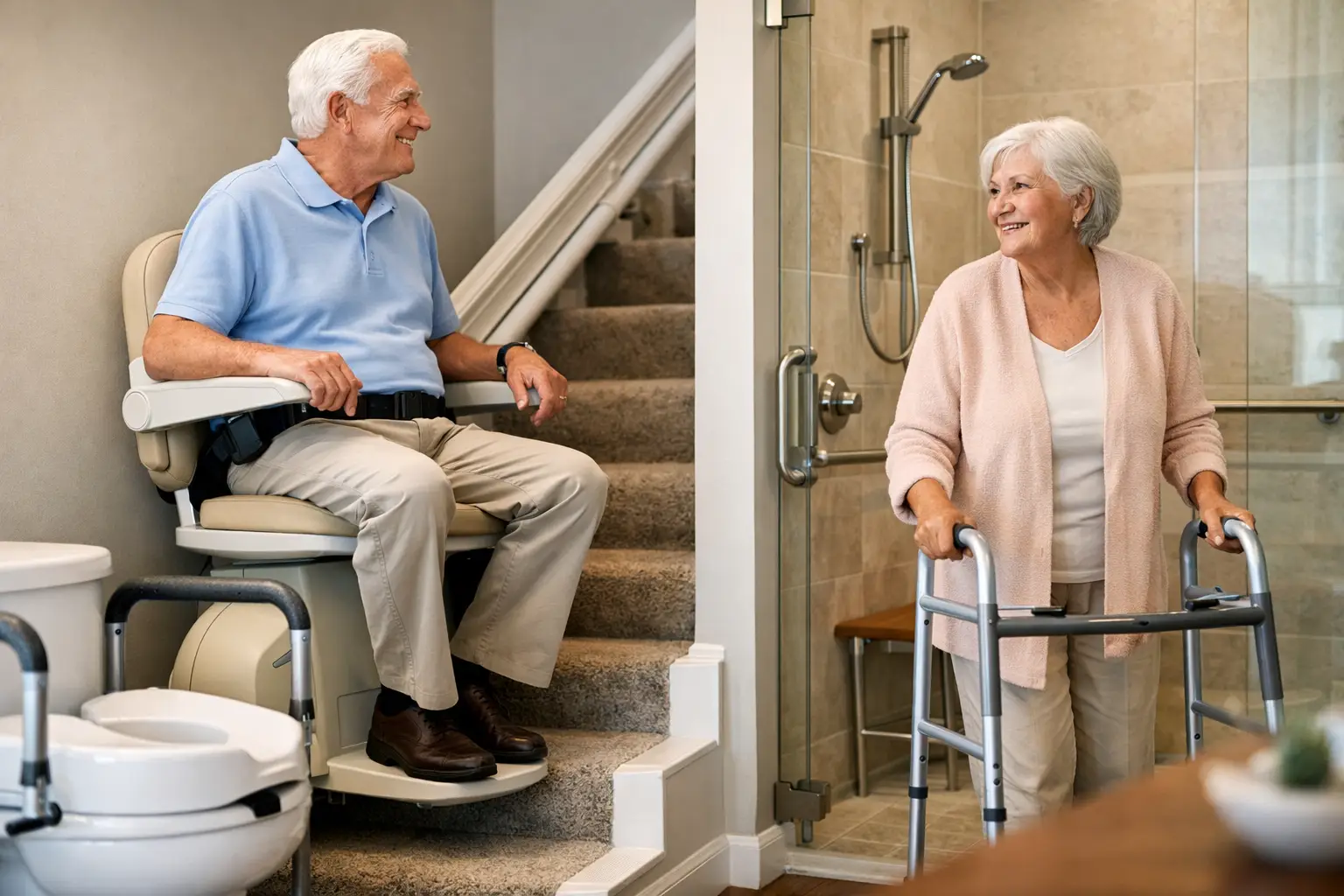
A curbless or low-threshold shower removes the need to step over a high tub wall. A securely mounted grab bar near the toilet and inside the bathing area provides dependable support. Shower seats, handheld showerheads, non-slip flooring, and higher toilet seats can also make personal care less tiring and more private.
Grab bars should be professionally secured to wall framing or installed with a mounting system designed for the wall type. Towel bars and suction-cup accessories are not reliable substitutes for a true safety grab bar.
Entryways, doorways, and everyday pathways
The front entrance is often the first obstacle families notice. Even one or two steps can make it difficult to use a walker, carry packages, or safely enter after a medical appointment. Handrails on both sides of exterior steps, improved lighting, non-slip surfaces, and a vertical lift can make arrivals and departures easier.
Inside the home, wider doorways may improve access for walkers and wheelchairs. Lever-style door handles are easier to operate than round knobs for people with arthritis or limited grip strength. Removing trip hazards, securing cords, and creating clear paths through heavily used rooms can be simple but valuable changes.
Lighting matters more than many people expect. Add bright, even lighting at stairways, hallways, exterior doors, and bathrooms. Motion-activated lights can be particularly helpful for nighttime trips to the bathroom, when poor visibility and fatigue can increase fall risk.
Kitchen and laundry adjustments
A kitchen does not need to be completely redesigned to become easier to use. Frequently used items can be moved from high cabinets to waist-level storage. Pull-out shelves reduce bending and reaching, while D-shaped cabinet pulls are generally easier to grasp than small knobs.
If laundry is in a basement, the location can become a daily barrier. A stairlift may keep that area accessible, but moving laundry to the main level can be worth considering during a renovation. The best choice depends on whether basement access is needed for other important activities and whether the homeowner can safely transfer to a stairlift.
Match the Upgrade to Today and Tomorrow
A common mistake is selecting only for the current challenge. If someone is recovering from knee surgery and expects to regain strength soon, a temporary or smaller-scale solution may be appropriate. If mobility is changing steadily, investing in a solution that supports future needs can prevent another disruptive project later.
Consider who uses the home, whether a wheelchair or scooter may be needed, and how long the homeowner intends to stay. Also think about caregivers. An accessibility upgrade should make assistance safer and less physically demanding, not simply shift the burden from one person to another.
Cost matters, but the lowest initial price is not always the best value. Equipment quality, professional installation, safety features, warranty coverage, maintenance needs, and access to local service all affect the experience over time. Reconditioned mobility equipment can be a sensible option in some situations, provided it has been properly inspected and is suitable for the home and user.
Why Professional Evaluation Makes a Difference
Measurements alone do not tell the full story. A qualified professional looks at stair width, turns, door clearances, electrical needs, transfer ability, and how the household actually moves through the space. That conversation can prevent a solution from being installed in a location that creates a new obstacle.
Olympus Stairlifts provides in-home evaluations to help Utah homeowners compare practical options without unnecessary complexity. Professional installation also helps ensure that equipment is correctly fitted, tested, and explained before it becomes part of daily life.
Accessibility is not one decision or one product. It is a thoughtful way of making home routines safer, more manageable, and more comfortable. The best first step is to focus on the place where a loved one hesitates today – then choose the upgrade that helps them move forward with greater confidence tomorrow.