A front step, a raised porch, or a split-level entry can turn an otherwise comfortable home into a daily obstacle. For families looking for a wheelchair lift Davis County homeowners can depend on, the right solution is not simply about getting from one level to another. It is about preserving independence, reducing fall risks, and making it easier to remain in the home you love.
A wheelchair lift should fit the person using it, the layout of the home, and the realities of everyday life. That is why an in-home evaluation matters. A professional can look beyond the number of steps and recommend equipment that provides safe, reliable access without creating unnecessary changes to the home.
Choosing a Wheelchair Lift in Davis County
Most residential wheelchair lifts fall into two categories: vertical platform lifts and inclined platform lifts. Both can carry a wheelchair, power chair, scooter, or seated passenger, but they serve different types of spaces.
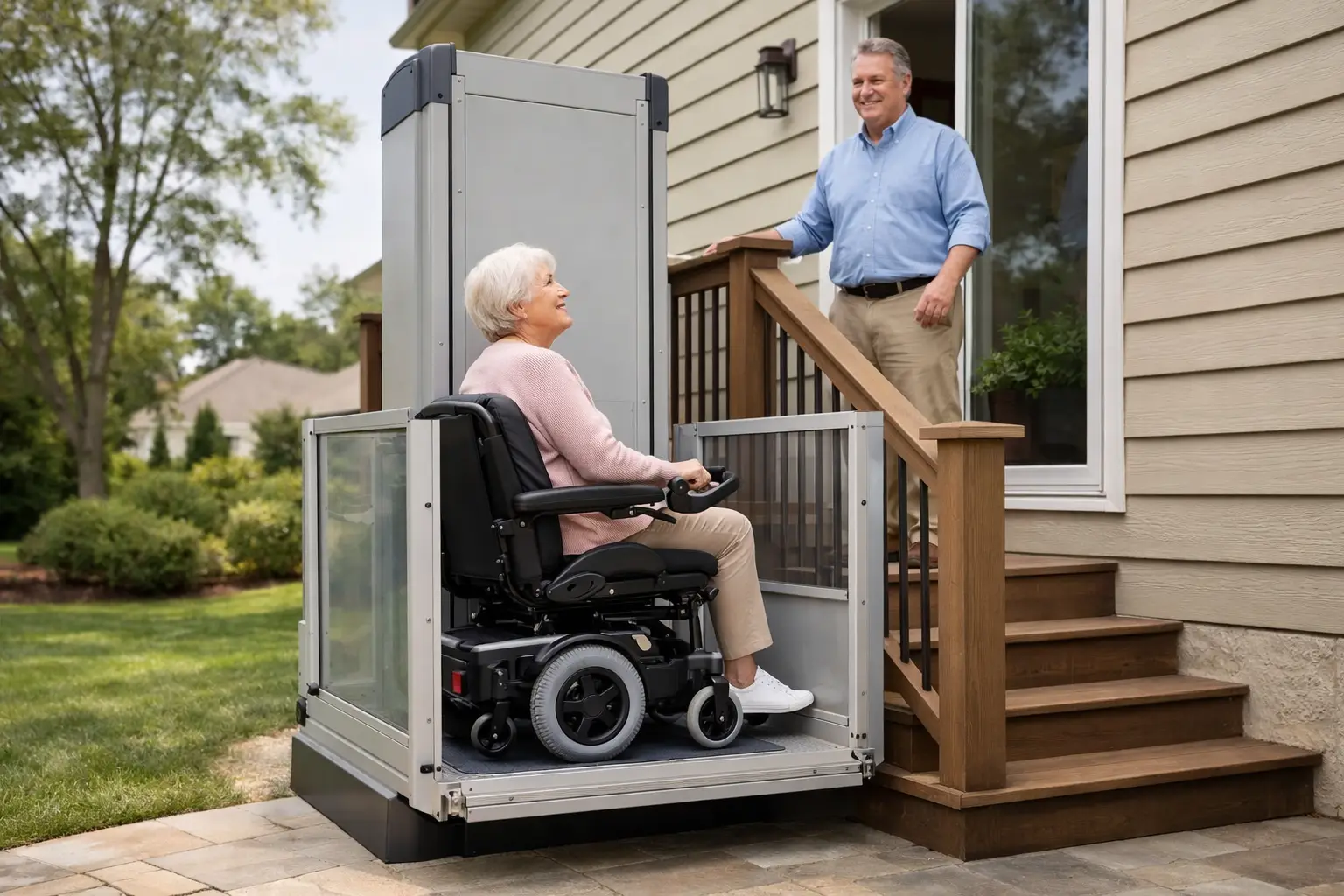
A vertical platform lift, often called a VPL, travels straight up and down between two landings. It is often a practical choice for a porch, deck, garage entry, or a small change in elevation inside the home. Instead of requiring a long ramp, a VPL can provide access in a more compact footprint. This can be especially helpful when a ramp would take up too much of a driveway, walkway, or yard.
An inclined platform lift follows the path of an existing staircase. The platform travels along a rail, allowing a wheelchair user to move between levels without transferring out of the chair. It can be a good fit when a home has stairs between living areas and enough stair width for the equipment and safe use.
The best option depends on the home. A lift that works well at a front entrance may not be the right answer for a narrow indoor staircase. The user’s wheelchair size, turning space at each landing, weight capacity needs, and whether other family members use the stairs all deserve attention before selecting a model.
When a Vertical Platform Lift Makes Sense
A vertical platform lift is often the preferred option when the elevation change is relatively short but a ramp would be too steep, too long, or difficult to manage. It allows a wheelchair user to enter from a driveway, garage, patio, or porch with far less effort than navigating a long incline.
For a homeowner aging in place, that convenience can matter every day. A safe entrance supports more than mobility. It makes it easier to welcome friends, get to appointments, bring in groceries, and use the outdoor spaces that make a house feel like home.
VPLs can be installed indoors or outdoors, depending on the model and application. Outdoor equipment needs to be suited to Utah’s changing conditions, including cold temperatures, snow, wind, and direct sun. A properly designed outdoor installation may include weather-protective features, gates, a covered landing, or other details that help keep the lift dependable over time.
When an Inclined Platform Lift Is a Better Fit
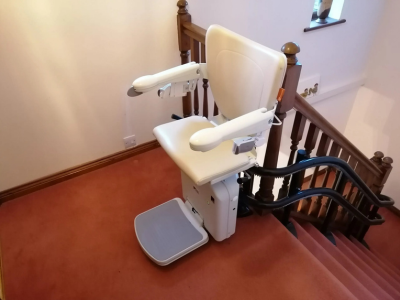
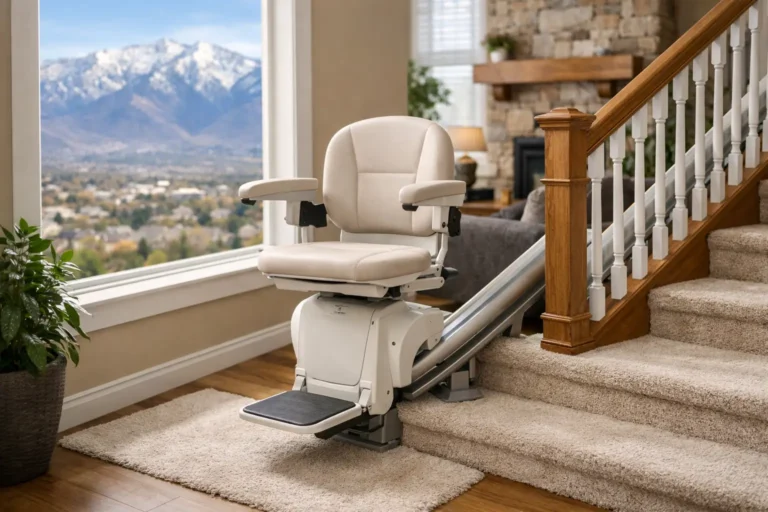
If a wheelchair user must reach a second floor, basement, or split-level living area, an inclined platform lift may be worth considering. Unlike a stairlift with a seat, this type of lift carries the wheelchair itself. That removes the need for a transfer, which can be difficult or unsafe for many people.
There are trade-offs. When the platform is in use, it occupies part of the staircase, and the stairway must have the necessary width and structure. Folding platforms can help preserve walking space when the lift is parked, but an assessment is still needed to confirm that the installation will work safely for everyone in the household.
For some homes, a residential elevator, a vertical lift in another location, or a stairlift paired with a transfer plan may be more practical. The goal is not to force one product into every situation. The goal is to find the option that gives the household the most comfortable and sustainable access.
What to Consider Before Installing a Lift
Cost is naturally part of the decision, but it should not be the only question. The lowest initial price may not account for site preparation, electrical work, gates, weather protection, service needs, or the equipment features needed for safe daily use.
Start with the route the person takes most often. Is the biggest barrier the front entrance, the garage, the back patio, or the stairs to a bedroom? A lift is most valuable when it removes the obstacle that affects everyday routines, not just occasional access.
Also consider who will use the equipment now and later. A manual wheelchair, a heavy power chair, and a mobility scooter have different dimensions and weight requirements. A platform needs adequate room for the mobility device, the user, and safe entry and exit. Landings must allow room to turn, and gates or doors must operate without creating another barrier.
Electrical requirements and local building considerations should be addressed early. Depending on the installation, a lift may require a dedicated electrical connection and site preparation. A qualified local installer can explain what the home needs, coordinate the practical details, and help prevent surprises after a product has been selected.
Why Professional Installation Matters
A wheelchair lift is safety equipment. Proper installation affects how smoothly it operates, how securely it is anchored, how gates and safety controls function, and how well the system performs over time.
Professional installation also means the work begins with measurements, not assumptions. A technician should evaluate the rise, available space, approach to the lift, landing clearances, structural conditions, and the mobility device being used. These details influence whether the lift is convenient or frustrating to use every day.
At Olympus Stairlifts, homeowners receive personalized guidance from a local team that understands residential accessibility needs. As a certified dealer for respected mobility equipment brands, the company provides equipment recommendations, professional installation, repair, maintenance, and ongoing service support. That full-service approach matters when a lift is an essential part of getting in and out of the home.
Service Helps Protect Everyday Independence
Like any mechanical equipment, a wheelchair lift benefits from routine care. Keeping the platform, gates, controls, and travel path in good working condition helps reduce unexpected problems and supports dependable operation.
For outdoor lifts, seasonal attention is particularly valuable. Leaves, ice, snow, and debris should not be allowed to interfere with the platform or landing area. Homeowners should follow the manufacturer’s operating guidance and contact a trained technician if they notice unusual noise, inconsistent movement, damage, or a safety feature that does not work as expected.
A provider that can service the equipment after installation offers practical peace of mind. When mobility access is part of someone’s daily routine, responsive local support is more than a convenience.
A Better First Step Than Guessing
It is easy to spend hours comparing lift types online and still feel uncertain. Photos and product descriptions cannot show whether a platform will fit a specific entry, whether a ramp would be more practical, or how an existing staircase will accommodate a lift.
A free in-home evaluation gives families a clearer path forward. It allows an accessibility professional to see the actual conditions, listen to the user’s needs, and explain options in plain language. That is especially helpful for adult children helping a parent make a decision after a fall, surgery, or a change in mobility.
The right lift should feel like a natural part of the home, not a constant reminder of what has become difficult. With thoughtful planning, skilled installation, and dependable service, safer access can help a Davis County household keep daily life familiar, comfortable, and within reach.