A front porch with three or four steps can quietly turn into the hardest part of coming home. When rain, snow, or ice are part of the picture, that challenge gets bigger fast. A weatherproof wheelchair lift outdoor setup can make the difference between depending on help and moving in and out of your home with more confidence.
For many homeowners, the goal is not just access. It is preserving daily routines, avoiding risky transfers on slick stairs, and making sure family members, visitors, or caregivers can rely on the entrance in every season. Outdoor accessibility equipment has to do more than lift safely. It also has to stand up to changing temperatures, moisture, and regular use without becoming a constant maintenance problem.
What makes a wheelchair lift truly weatherproof outdoors
Not every lift that can be placed outside is built the same way. When people ask for a weatherproof wheelchair lift outdoor model, they are usually looking for equipment designed specifically for exterior use, not an indoor unit placed under a covered patio and hoped for the best.
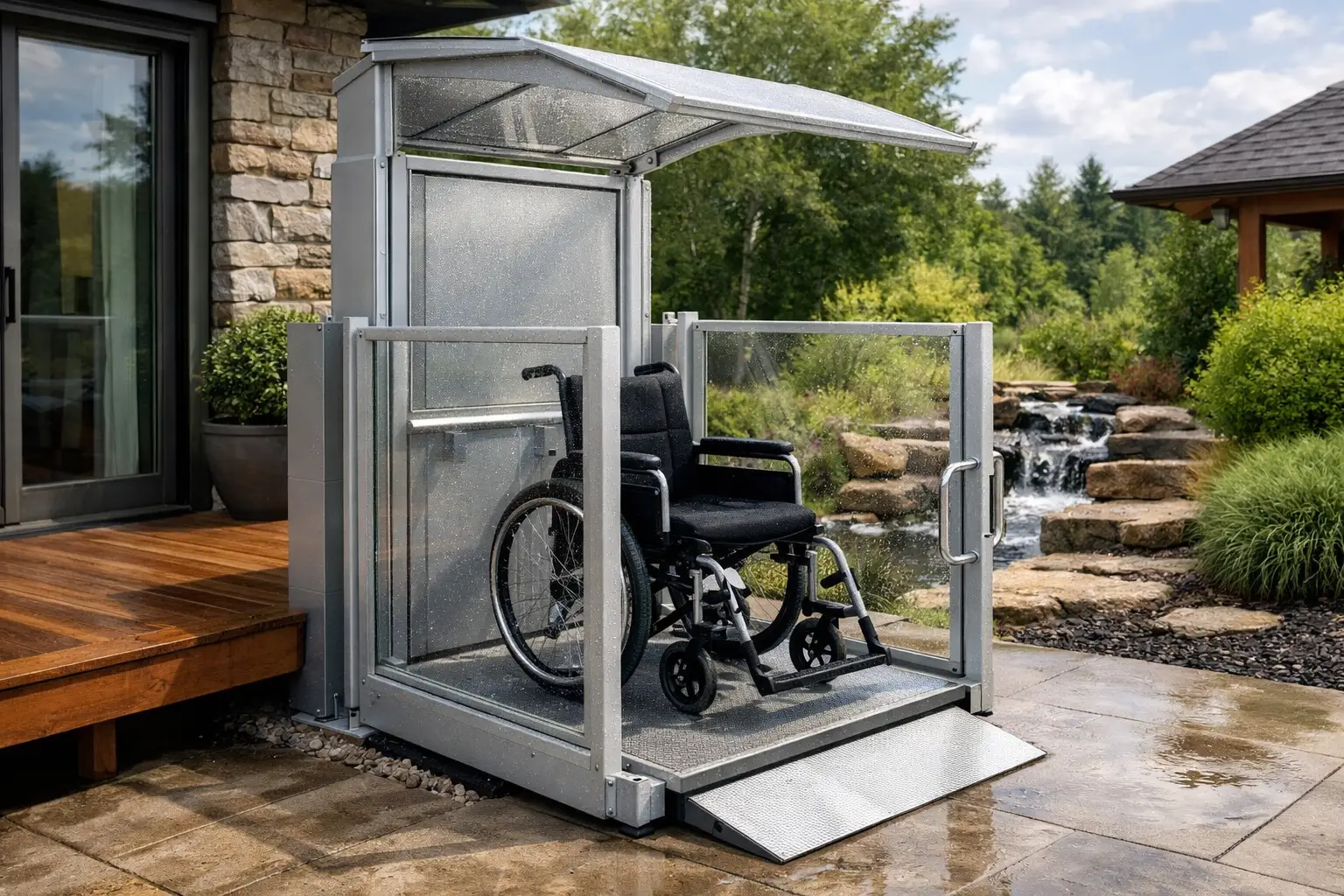
A true outdoor-rated lift is built with materials and finishes that resist corrosion, moisture intrusion, and wear from sun exposure. That often includes powder-coated metal, sealed electrical components, weather-resistant controls, and drive systems designed for exterior conditions. The platform surface also matters. It should provide traction when wet and help reduce slipping during rain or after snowmelt.
Weatherproof does not mean maintenance-free, and it does not mean any unit can handle any climate without planning. Utah homeowners, for example, may deal with dry heat in summer and snow or freezing temperatures in winter. That combination can be hard on outdoor equipment. The right lift should match the actual conditions at the home, not just the product brochure.
When an outdoor lift makes more sense than a ramp
A ramp is often the first solution people consider, and sometimes it is the right one. But ramps require space, and that is where many homes run into a problem. A short rise can still need a surprisingly long ramp to meet practical slope guidelines, which can take over a porch, driveway edge, or front walkway.
An outdoor wheelchair lift is often a better fit when space is limited, when the rise is too high for a practical ramp, or when a household wants a cleaner and more direct entry. It can also be a strong option for people using power wheelchairs or scooters, where a steep or lengthy ramp may feel tiring or unsafe.
There are trade-offs. A lift includes moving parts, electrical components, and service needs that a simple ramp does not. On the other hand, many families find that the improved ease of use is worth it, especially when mobility needs are expected to continue long term.
Key features to look for in a weatherproof wheelchair lift outdoor system
The best lift for one home may not be right for another, but a few features deserve close attention.
Platform size comes first. The lift needs enough room for the user and mobility device without feeling cramped, especially if a caregiver may sometimes assist. A compact platform can save space, but too little room can make everyday use frustrating.
Weight capacity is another practical checkpoint. It should comfortably support the chair or scooter and user together, with a margin that fits real-world use rather than the bare minimum.
Safety gates, non-slip flooring, obstruction sensors, and emergency lowering features are all important. If the lift stops unexpectedly or something blocks its path, those built-in protections matter. Outdoor call-send controls can also be helpful when more than one person uses the lift or when the platform needs to be moved between levels.
Covering is worth discussing too. Some outdoor lifts are installed in open exposure, while others benefit from a canopy, awning, or partial enclosure. A cover can reduce snow buildup, limit direct rain exposure, and make the lift more comfortable to use, even if the unit itself is rated for outdoor conditions.
Installation details that affect long-term performance
The lift itself is only part of the solution. A well-planned installation is what helps it work reliably year after year.
Site preparation matters more outdoors than many people expect. The ground or concrete pad must be stable and level. Drainage should be addressed so water does not collect around the base. Entry and exit points should allow enough maneuvering room for the wheelchair or scooter, including door swing clearance and safe approach space.
Power supply is another consideration. Outdoor lifts require proper electrical planning, and that work should be handled professionally. In some homes, the nearest practical location for service is not as close as expected, which can affect installation details and timing.
Local code requirements may also apply. That is one reason a home evaluation is so valuable. It helps identify not just whether a lift can fit, but whether it can be installed in a way that is safe, code-conscious, and convenient for daily use.
How weather affects everyday use
An outdoor lift has to perform in less-than-perfect conditions. That does not mean every storm day will feel exactly like a mild spring afternoon.
Rain can make platforms, thresholds, and surrounding walkways slick. Snow and ice may need to be cleared before use. In very cold conditions, some systems may move more slowly or require a little extra attention. That is normal and should be part of the buying conversation, not a surprise later.
This is where honest guidance matters. A homeowner should know what level of weather exposure the lift can handle, what routine clearing may still be needed, and whether a cover or enclosure would improve reliability. The most dependable solution is not always the biggest or most expensive one. It is the one matched carefully to the home and the way the household actually lives.
Maintenance matters more outdoors
Outdoor equipment lives a harder life than indoor equipment. Dust, moisture, temperature swings, and debris all add wear over time. That is why ongoing service should be part of the decision from the start.
A weatherproof wheelchair lift outdoor unit should be inspected regularly, cleaned as recommended, and serviced by trained technicians when adjustments are needed. Waiting until the lift stops working can lead to more inconvenience and a larger repair.
For homeowners and caregivers, peace of mind often comes from knowing help is available after installation, not just before it. Working with a provider that handles evaluation, installation, and service can make a real difference when questions come up later. Olympus Stairlifts takes that service-centered approach because accessibility equipment is not a one-time box purchase. It becomes part of daily life.
Is an outdoor lift the right investment for your home?
That depends on the home, the user, and the timeline. If someone is recovering from surgery and expects to regain full stair use soon, a temporary solution may make more sense. If the goal is aging in place or supporting a long-term mobility need, an outdoor lift often becomes a practical home improvement rather than just a medical device.
It is also worth thinking beyond the current moment. A lift may help a spouse, parent, or family member today, while also making the home more usable for future needs. In many households, the value comes from reducing fall risk, preserving dignity, and making it easier to leave the house without a stressful routine.
Cost is always part of the conversation, and it should be. Outdoor lifts vary based on rise height, platform size, electrical needs, site work, and optional weather protection features. The lowest initial price is not always the best value if it leads to compromises in fit, comfort, or reliability.
What to expect from the buying process
Most families feel better once they can talk through the options in person. Photos and measurements help, but a home assessment reveals details that are easy to miss, including landing space, drainage issues, porch layout, and how the user transfers or approaches the entry.
A good recommendation should feel specific to the home, not generic. The right provider will explain what fits, what does not, and why. They should also discuss service expectations, installation timing, and any steps the homeowner needs to take before work begins.
That kind of guidance is especially important with outdoor accessibility equipment. You are not just buying a machine. You are choosing a safer way to enter and exit your home in real weather, during real daily routines, with as few complications as possible.
If you are considering an outdoor lift, the best next step is a clear evaluation of your entryway, mobility needs, and year-round conditions. The right solution should feel dependable on an ordinary day and reassuring on a difficult one.