A staircase can become a daily concern long before someone is ready to leave the home they love. When comparing a stairlift versus residential elevator, the right answer is rarely about choosing the most advanced option. It is about choosing the solution that safely fits the person, the home, and the life that needs to continue there.
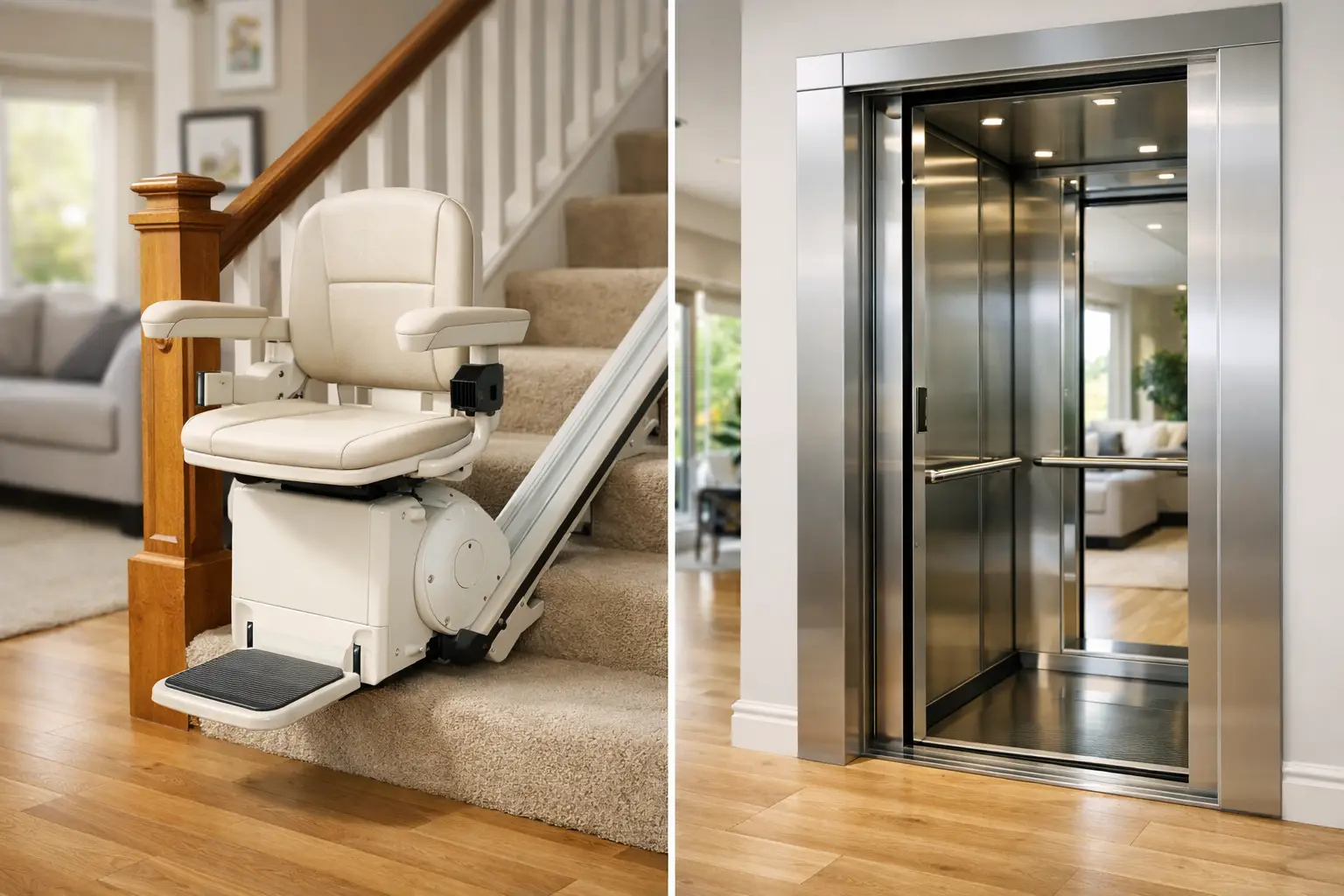
Both options can make a multilevel home more accessible and support aging in place. They solve the problem differently, however. A stairlift carries a seated rider along the existing staircase. A residential elevator moves people, mobility equipment, and sometimes caregivers between floors in a fully enclosed cab. Understanding those differences can make a major decision feel far more manageable.
Stairlift Versus Residential Elevator: The Core Difference
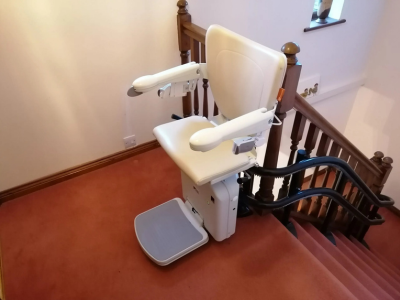
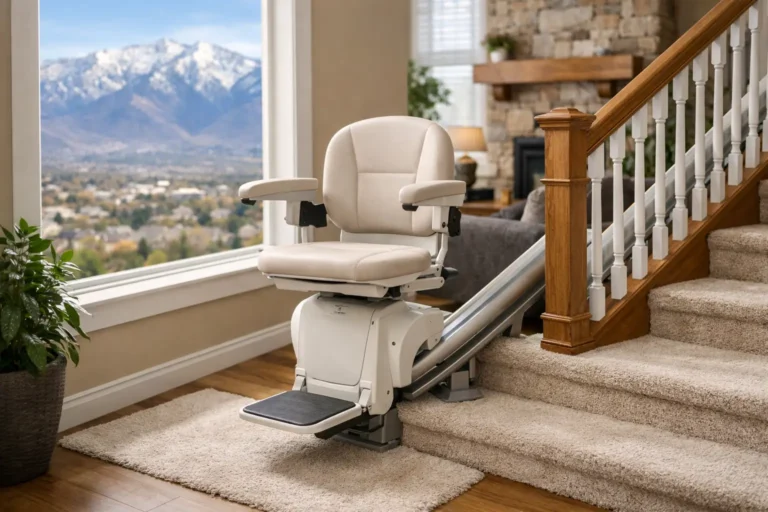
A stairlift is a chair attached to a rail installed on the stair treads or wall side of a staircase. The user sits down, secures the seat belt, and uses simple controls to travel up or down the stairs. At the end of the ride, many seats swivel to help the rider step off onto the landing more safely.
A residential elevator is a larger accessibility system that travels vertically through a dedicated hoistway or a specially designed opening between floors. Depending on the model and home layout, it may be able to accommodate a wheelchair, walker, caregiver, or household items in addition to the rider.
That distinction affects almost every part of the decision: installation, space requirements, cost, carrying capacity, and the level of independence each option provides.
When a Stairlift Is Usually the Better Fit
For many homeowners, a stairlift is the most direct path to safer movement between floors. It is particularly well suited for someone who can transfer from a wheelchair or walker to a chair, can sit upright comfortably, and primarily needs help navigating stairs.
A stairlift preserves the home’s existing layout. There is no need to create a shaft, reconfigure rooms, or take on a major renovation in most cases. Straight staircases can often be fitted quickly, while curved stairlifts can be custom designed to follow turns, landings, and changing stair angles.
A practical option for immediate stair safety
Falls on stairs can change a family’s routine overnight. A stairlift allows a homeowner to keep using upstairs bedrooms, downstairs living areas, laundry rooms, or basement spaces without facing the physical strain and risk of climbing steps.
Modern stairlifts are designed with features that support everyday use, including seat belts, obstruction sensors, battery-powered operation during many power outages, folding seats and footrests, and controls at both ends of the staircase. They are not only for permanent mobility changes, either. A stairlift can be a helpful temporary solution during recovery from surgery, injury, or a period of reduced strength.
Where a stairlift has limits
A stairlift only transports the seated rider. It does not carry a wheelchair, and it may not work well for a person who cannot transfer safely from their mobility device to the stairlift seat. It also does not replace the need for accessible pathways once the rider reaches the next floor.
Although folding components help preserve stair access for others, the rail remains on the stairs. In narrow staircases, a careful in-home evaluation is especially valuable to confirm there is enough clearance for both the lift and safe foot traffic.
When a Residential Elevator Makes More Sense
A residential elevator is often the better long-term solution for homeowners with significant mobility limitations, wheelchair users, or families designing an accessible home for the future. It can provide a more complete floor-to-floor experience because the rider can remain in a wheelchair or travel with a caregiver when the system is sized and configured for that use.
It also changes how a home functions. Rather than treating stairs as a barrier to work around, an elevator makes each level part of the home’s usable living space again. That can be meaningful when bedrooms are upstairs, when a family spends time in a basement, or when a homeowner wants to remain in a multistory house for many years.
More capacity and flexibility
An elevator can carry more than a person. Depending on its capacity and cab size, it may accommodate a walker, wheelchair, oxygen equipment, groceries, laundry, or a caregiver. This can reduce the number of difficult transfers and help preserve dignity for someone whose needs are changing.
For households planning a new build or a significant remodel, incorporating an elevator can be simpler than retrofitting one later. Some homeowners also plan a stacked-closet space or a future elevator shaft during construction, allowing the home to adapt without immediately installing the full system.
Greater construction needs and investment
Residential elevators require more space, planning, and construction than stairlifts. A home may need a hoistway, machine components, electrical work, structural changes, and permits depending on the system and local requirements. Installation timelines are typically longer, especially when remodeling is involved.
The financial commitment is also substantially higher than a stairlift. That does not mean an elevator is automatically the wrong choice. For a wheelchair user or a homeowner who expects to need broad accessibility for years, the added capability may justify the investment. The key is to compare the total value of the solution against the person’s needs, not simply the initial price.
How to Choose Between a Stairlift and a Residential Elevator
The best choice begins with the rider, not the equipment. Consider whether the person can stand, balance, and transfer safely to a stairlift seat. Consider whether they use a wheelchair full time, need a caregiver nearby, or expect their mobility needs to change. Those answers often point clearly toward one option.
Next, look at the home itself. A straight staircase may make a stairlift especially practical. A narrow stairway, multiple levels, or a home with limited room for an elevator shaft can affect what is feasible. On the other hand, a house with space for a hoistway and a long-term plan for aging in place may be an excellent candidate for an elevator.
Daily routine matters as well. If the main goal is reaching an upstairs bedroom safely, a stairlift may solve the problem efficiently. If a person needs to bring a wheelchair between floors, access several levels, or move with a spouse or caregiver, an elevator may provide a better experience.
Questions Families Should Ask Before Deciding
Before making a purchase, it helps to talk through the real situations that occur every day. Can the user get on and off a stairlift seat independently? Is there a wheelchair that must travel between floors? Are there tight turns, doors, or landings near the stairs? Is the need temporary, or is the family planning for progressive mobility changes?
It is also wise to ask about service after installation. Accessibility equipment is relied on daily, so professional installation, clear warranty information, maintenance options, and access to trained technicians all matter. A low price is less reassuring if help is difficult to reach when a lift needs attention.
For Utah homeowners, an in-home assessment can identify details that photos and measurements often miss, such as stair width, landing clearance, electrical needs, and the best location for a larger accessibility system. Olympus Stairlifts can evaluate those details and explain the practical options without pushing a one-size-fits-all answer.
The Right Solution Is the One That Keeps Life Moving
A stairlift can be a fast, comfortable answer to the immediate danger of stairs. A residential elevator can offer wider access and greater flexibility when mobility equipment, caregivers, or long-term planning are part of the picture. Neither is universally better.
The most helpful next step is to picture an ordinary day at home – getting dressed, carrying laundry, welcoming family, and moving from one room to another. The accessibility solution that makes those moments feel safer and less complicated is the one most likely to protect independence where it matters most.