Carrying grocery bags up a flight of stairs sounds simple until it becomes the hardest part of the day. For many homeowners, a dumbwaiter lift for groceries is not a luxury feature. It is a practical way to reduce strain, lower the risk of falls, and make a multilevel home easier to live in.
If you or a family member avoids certain trips because the bags feel too heavy, or if the kitchen is on a different floor than the garage or entry level, this kind of lift can make a real difference. It does one job very well: it moves everyday items between floors so people do not have to.
What a dumbwaiter lift for groceries actually does
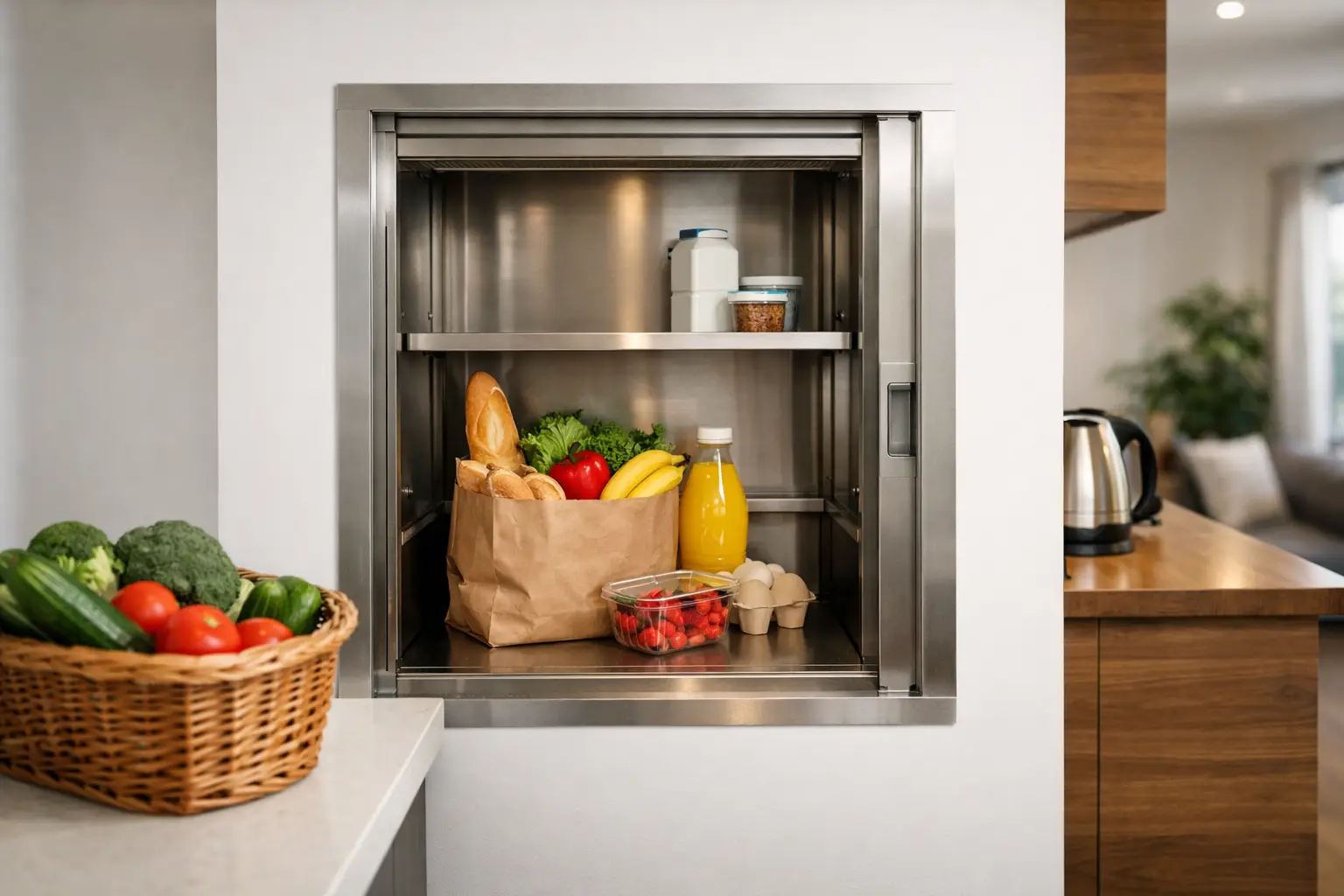
A residential dumbwaiter is a small lift designed to carry items, not passengers. In a grocery setup, it is usually installed to travel between two or more levels where groceries tend to pile up, such as from a garage to a kitchen, a main floor to a basement pantry, or an entry level to an upstairs living area.
The idea is straightforward. Instead of hauling bags, cases of water, paper products, or pantry items by hand, you place them in the dumbwaiter car and send them up or down. That can save multiple trips and reduce the need to manage stairs while carrying awkward or heavy loads.
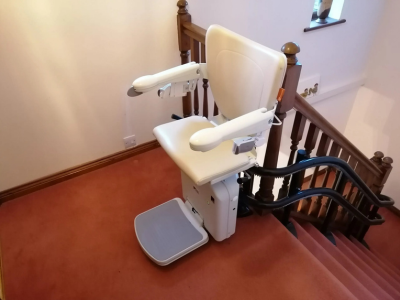
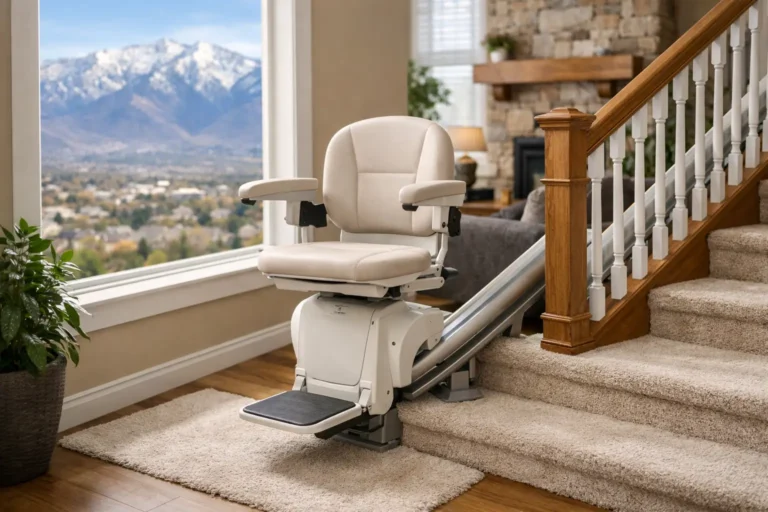
For households planning to age in place, that convenience often becomes part of a larger safety strategy. A stairlift helps a person move between levels. A dumbwaiter helps move the things that make stairs harder to manage in the first place.
Why groceries are one of the best uses for a dumbwaiter
Groceries are bulky, repetitive, and rarely light. Even people who move around well can feel unsteady carrying bags, especially if one hand is occupied and the other is balancing against a wall or railing. Add winter weather, a steep staircase, or a basement pantry, and the risk goes up.
A dumbwaiter lift for groceries works well because the task is predictable. Grocery runs happen every week. The items are similar each time. The route is usually the same. That means the lift becomes part of normal household flow instead of an occasional convenience.
It can also help caregivers. Adult children helping parents, spouses helping one another, and anyone supporting a loved one after surgery often end up doing the carrying. A grocery lift reduces that physical burden and keeps the home functioning with less stress.
When it makes the most sense
Not every home needs a dumbwaiter, and not every stair challenge calls for one. The best fit usually comes down to layout, daily habits, and who lives in the home.
It tends to make the most sense when groceries regularly need to move between the garage and main kitchen, when a homeowner has limited strength or balance, or when there is a lower-level pantry or storage area that creates extra stair trips. It is also a strong option in homes where carrying items on stairs has already led to near falls or back strain.
There are cases where another accessibility solution may be more urgent. If the main concern is getting a person safely up and down the stairs, a stairlift or residential elevator may need to come first. If the person can manage the stairs but not the load, a dumbwaiter may be the right targeted improvement. In many homes, it is not either-or. It is part of a more complete plan for safer living.
Space, layout, and installation questions
The biggest question most homeowners ask is whether their home can accommodate one. The answer depends on the available wall cavity or shaft space, the number of stops, and how easily the unit can connect the floors where it is needed.
A dumbwaiter does not require the same footprint as a residential elevator, but it still needs careful planning. The best installations feel natural. The loading doors are placed where groceries already enter the home and where they are most often unpacked. A garage-to-kitchen path is common, but basement-to-main-floor setups are also practical.
Installation is rarely one-size-fits-all. Older homes may need more creative planning. Newer homes may offer cleaner routing options. In either case, the right approach starts with an in-home evaluation so the homeowner understands what is possible before making decisions.
Weight limits matter more than people expect
One of the most useful parts of a dumbwaiter for groceries is also where expectations need to stay realistic. These lifts are built for items, but they still have rated capacities. That matters because grocery loads are deceptively heavy.
A few reusable bags, canned goods, and drinks can add up fast. Cases of bottled water, pet food, and bulk warehouse items add even more. A properly selected unit should match the way the household actually shops, not just the lightest possible use case.
This is where expert guidance matters. Choosing too small a capacity can lead to frustration. Choosing the right size from the beginning makes the system more useful day after day. Homeowners should also remember that a dumbwaiter works best when loads are balanced and packed sensibly rather than stuffed to the limit.
Safety and day-to-day peace of mind
The appeal of a grocery dumbwaiter is convenience, but the deeper value is safety. Carrying items on stairs changes the way people move. It blocks visibility, shifts balance, and often encourages rushing through a task that should be done carefully.
For seniors and people with mobility limitations, that risk is not minor. A fall on the stairs can change everything. Reducing the number of times someone has to carry a load between floors is a practical way to support safer routines at home.
There is also peace of mind for family members. When adult children worry about parents living alone, they often focus on major events. But many injuries happen during ordinary tasks. Grocery carrying is one of those tasks people underestimate until it becomes a problem.
What homeowners should ask before buying
A good dumbwaiter decision starts with a few honest questions. Where do groceries enter the home? Where do they need to end up? How much weight will usually go in the car? Who will be using it, and what limitations are they dealing with now?
It also helps to think beyond groceries. Many homeowners use the same lift for laundry, small household supplies, seasonal items, or meal deliveries between floors. That added usefulness can make the investment easier to justify.
At the same time, it is worth being clear about limitations. A dumbwaiter will not solve every accessibility challenge. It is not a passenger lift, and it does not replace the need for safe stair access when a person still needs to move between levels. The best results come when the equipment matches the real problem.
The value of local, guided installation
Because every home layout is different, the process matters almost as much as the product. Homeowners tend to feel more confident when they can walk through the space with someone who understands mobility equipment, installation requirements, and how families actually use these systems.
That is especially true for people trying to make decisions during a stressful season, such as after an injury, during retirement planning, or while helping a parent stay at home longer. A local provider can look at the home, explain trade-offs clearly, and recommend whether a dumbwaiter is the best fit or part of a broader accessibility plan.
For Utah families, that kind of guidance can save time and avoid costly guesswork. Olympus Stairlifts works with homeowners who want practical solutions that support independence without making the process harder than it needs to be.
Is a dumbwaiter lift for groceries worth it?
If grocery carrying has become tiring, risky, or simply one more reason your home feels harder to manage, the answer is often yes. The value is not just in moving bags. It is in protecting energy, reducing strain, and making everyday routines feel manageable again.
The right home improvement is the one that solves a real daily problem and keeps life moving with less effort. Sometimes that means making it easier to move people. Sometimes it means making it easier to move the things people need every single day.