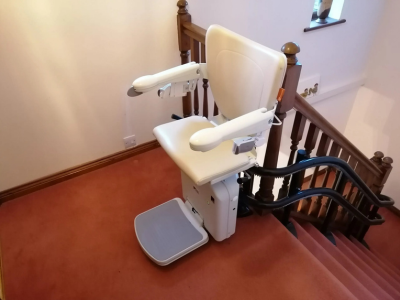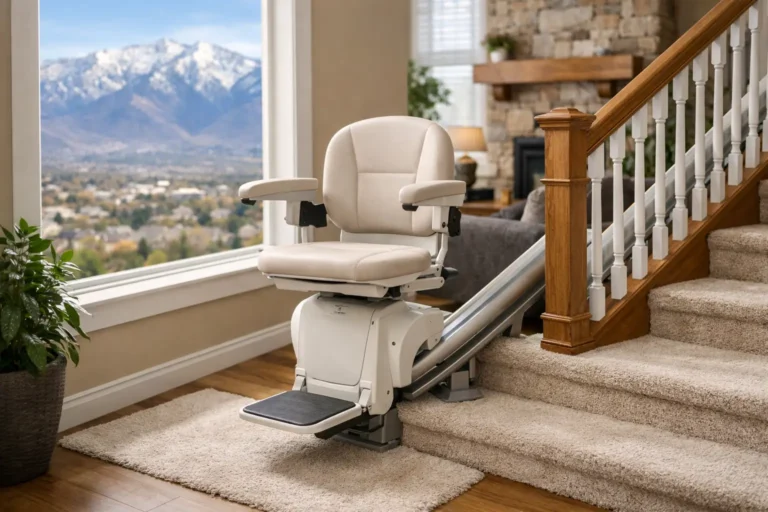
Navigating home accessibility needs can feel overwhelming, especially when looking for reliable solutions tailored to your unique living space in Northern Utah. For residents and caregivers throughout Davis County—from Layton and Bountiful to Farmington, Kaysville, and Syracuse—maintaining freedom of movement within a multi-level home or ensuring safe entry and exit from an elevated porch is paramount. A professionally managed wheelchair lift installation provides a dependable, long-term way to bridge vertical gaps, empowering individuals to move freely between levels without the physical strain of stairs or the hazards of temporary ramps.
At Olympus Stair Lifts, we understand that every home in Davis County has its own architectural character, whether it is a modern rambler in Centerville or a historic property in older parts of Kaysville. Selecting the right mobility equipment and understanding the installation process are the first steps toward creating a safer, more accommodating home environment. This guide explores everything you need to know about wheelchair lift options, site preparation, safety considerations, and what to expect during professional installation in our local community.
Understanding Your Wheelchair Lift Options
When families begin researching accessibility solutions, they often discover that not all vertical platform lifts serve the same purpose. Choosing the correct system depends on the specific layout of your home, whether the lift will be placed indoors or outdoors, and the total vertical distance required to reach the desired landing. Evaluating these factors carefully ensures that the final setup meets both daily mobility requirements and long-term comfort goals.
Vertical Platform Lifts (VPLs)
Often called porch lifts, these units move straight up and down, making them ideal for reaching raised decks, entryways, or between split-level floors.
Inclined Platform Lifts
These systems travel along the angle of an existing staircase, carrying a user in a wheelchair directly up or down the steps on a folding platform.
Enclosed Commercial-Grade Lifts
Fully enclosed models provide weather protection for outdoor applications and offer maximum structural security for multi-story residential needs.
For most residential applications in Davis County, vertical platform lifts (often referred to as VPLs) are the most popular choice. They take up a relatively small footprint compared to wooden ramps, which can become slick during Utah’s snowy winter months. Furthermore, VPLs accommodate standard manual wheelchairs, power wheelchairs, and mobility scooters with ease, giving users maximum flexibility as their mobility needs evolve.
Evaluating Your Davis County Home for Installation
Before any equipment is ordered or bolted into place, a thorough site evaluation is essential. Every home has distinct structural nuances, soil conditions, and electrical layouts that influence how a lift must be anchored and powered. Professional technicians examine several critical elements during an initial on-site assessment to ensure seamless integration.
First, foundation and ground stability must be verified. Outdoor lifts typically require a reinforced concrete pad to support the weight of the tower, platform, and passenger safely. In Davis County, where winter freeze-thaw cycles can cause shifting soil, pouring a proper pad prevents the lift from settling unevenly over time. For indoor installations, subfloor integrity and joist support must be checked to confirm that the structure can handle the dynamic loads of daily operation.
Second, electrical requirements are carefully reviewed. Most residential wheelchair lifts operate on standard household power circuits, but dedicated lines or weather-resistant GFCI outlets may be necessary depending on the installation site. Planning for power access beforehand avoids delays and ensures reliable performance year-round.
The Step-by-Step Installation Process
Homeowners frequently wonder what actually happens on installation day. Knowing the sequence of events helps reduce anxiety and allows families to prepare their living space accordingly. While every project varies slightly based on whether the lift is going into a tight indoor hallway or onto an outdoor raised deck, the general workflow remains consistent.
Professional installation is critical because modern wheelchair lifts are sophisticated electromechanical systems. Proper alignment ensures smooth, quiet operation without binding or premature wear on moving parts. Certified technicians also make sure that all safety sensors—such as under-platform obstruction switches and gate safety interlocks—function flawlessly before anyone uses the lift independently.
Key Safety Features to Look For
When investing in mobility equipment for your home, peace of mind is just as important as mechanical reliability. Today’s wheelchair lifts come equipped with multiple redundant safety features designed to protect both the passenger and anyone nearby. Understanding these features helps families choose equipment that meets rigorous safety standards.
Emergency stop buttons and manual lowering mechanisms are standard on reputable lifts, ensuring that a user is never stranded during a power outage. Battery backup systems allow several complete cycles of operation even if household electricity fails. Additionally, safety pans beneath the platform automatically halt downward movement if they encounter any obstacle, such as a pet or a misplaced toy, preventing accidental crushing.
Platform gates and landing doors are another vital component. Interlock systems ensure that the lift cannot move unless the access gate is fully closed and locked. Similarly, the gate at the upper landing will not open unless the platform is perfectly level with the floor, preventing accidental falls from elevated heights.
Maintaining Your Wheelchair Lift in Northern Utah’s Climate
Davis County experiences distinct seasonal changes, ranging from hot, dry summers to freezing, snowy winters. Proper routine maintenance keeps your wheelchair lift operating reliably through every season. While modern lifts are engineered for durability, a few simple preventive care habits extend the lifespan of the equipment significantly.
For outdoor lifts, keeping the platform and surrounding threshold clear of snow and ice accumulation is essential. Using plastic shovels or calcium chloride ice melt (avoiding harsh rock salts that can corrode metal components) prevents buildup from interfering with moving parts. Periodic inspections of electrical connections, greasing of guide rails, and professional tune-ups ensure that switches remain responsive and mechanical assemblies stay well-lubricated.
Caregivers and family members should also perform quick visual checks regularly. Listening for unusual grinding noises, testing the emergency lowering feature, and verifying that safety sensors respond immediately when blocked can catch minor adjustments before they turn into major repair needs.
Enhancing Independence and Quality of Life
The ultimate benefit of a wheelchair lift goes far beyond mechanical convenience—it is about preserving independence, dignity, and connection within the home. For seniors aging in place or individuals managing physical disabilities, being able to move between levels without relying on constant physical assistance transforms daily routines.
Caregivers also experience significant relief when heavy lifting or dangerous stair maneuvers are replaced by reliable, motorized vertical transport. This reduces caregiver fatigue and lowers the risk of injury for everyone in the household. By creating a fully accessible home environment in Davis County, families can focus on spending quality time together rather than worrying about physical barriers.
Ready to Explore Your Accessibility Options in Davis County?
Contact Olympus Stair Lifts today to schedule a free, no-obligation evaluation of your home and discuss the ideal wheelchair lift solution for your family.