A single step at the front entry can turn into a daily barrier when a walker, wheelchair, or scooter is part of life. For many families, a vertical platform lift guide is not just about equipment – it is about making the home usable again without giving up comfort, safety, or independence.
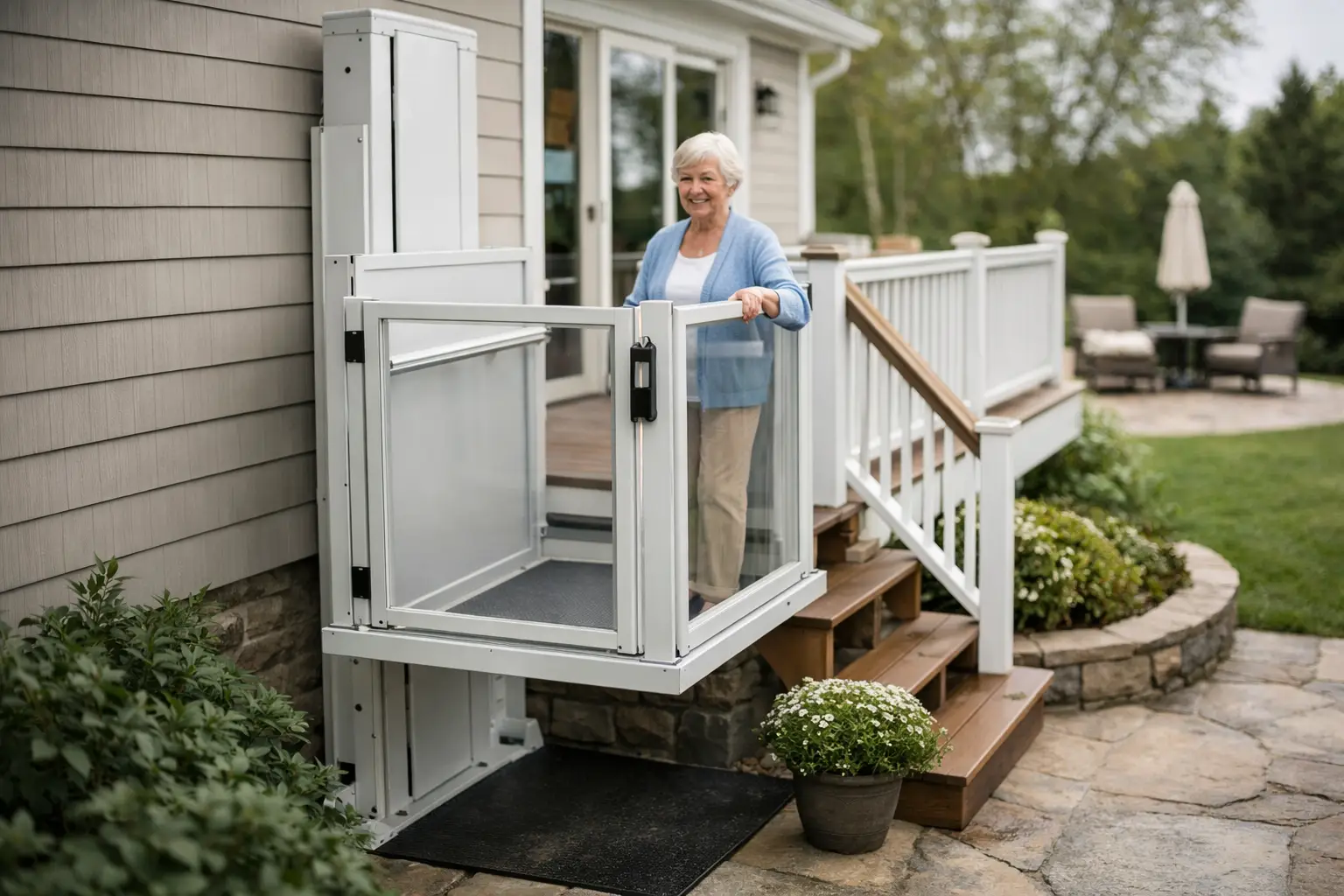
A vertical platform lift, often called a VPL, is designed to carry a person and mobility device between two different elevations. In a residential setting, that usually means reaching a porch, garage entry, deck, or a short rise inside the home. Instead of climbing stairs or relying on a long ramp, the user rides on a stable platform that moves straight up and down.
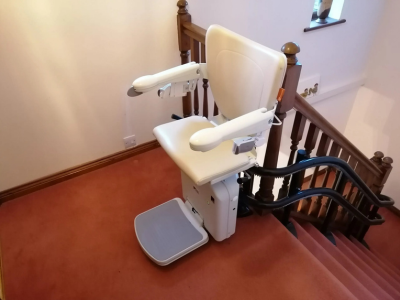
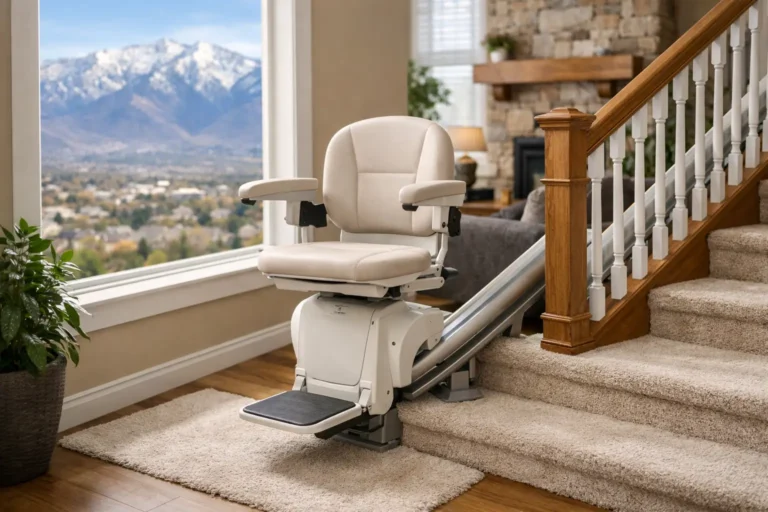
For homeowners, that difference matters. A ramp may require more space than the property allows, and even when it fits, the slope can be tiring or unsafe in bad weather. A stairlift helps seated users on a staircase, but it is not built for someone who needs to remain in a wheelchair or scooter. A residential elevator can travel farther and serve multiple floors, but it is a larger investment and usually involves more construction. A VPL fills the gap when the goal is direct access over a shorter vertical rise.
What a vertical platform lift guide should help you answer
The right questions are usually practical ones. Will it fit the space? Will it work with a wheelchair or scooter? How much construction is involved? How reliable is it in daily use? Those concerns are completely reasonable, especially when a family is trying to solve a safety issue quickly.
A good VPL decision starts with understanding the use case. Some homeowners need access from the driveway into the house through the garage. Others need a safer way to reach a raised front porch. In some homes, a lift is the most realistic way to bridge a split-level transition or a few interior steps that cannot be removed easily. The best solution depends on travel height, available space, weather exposure, and the user’s mobility needs.
How a vertical platform lift works
A VPL has a platform large enough for a wheelchair, power chair, scooter, or standing passenger, depending on the model. The user enters through a gate or ramped access point, activates the controls, and the platform raises or lowers to the landing. Safety features typically include non-slip flooring, guard panels, gates, obstruction sensors, and emergency stop controls.
From the homeowner’s perspective, the day-to-day operation is simple. The bigger differences show up in capacity, lifting height, power requirements, and whether the lift is intended for indoor or outdoor use. Outdoor models are built to handle changing temperatures and precipitation, which is especially relevant in Utah where snow, ice, and dry summer heat can all affect exterior equipment.
This is one reason the site evaluation matters so much. A lift that looks right on paper may need a different gate configuration, platform size, or landing setup once the actual entryway is measured.
Who benefits most from a VPL
A vertical platform lift is often the best fit for people who want to stay in their own home but cannot safely manage steps. That includes older adults aging in place, people recovering from surgery, individuals living with long-term mobility limitations, and caregivers trying to reduce fall risk for a loved one.
It can also be the right answer when transfers are difficult. Some people can use a stairlift comfortably. Others cannot move safely from a wheelchair to a stairlift seat, or they may not have the balance needed for that process. In those cases, staying on the mobility device during travel is a major advantage.
Families also appreciate the predictability. Once installed, a VPL creates a consistent route in and out of the home. That can reduce anxiety for the user and for the people helping them.
Space, layout, and installation realities
One of the most common concerns is whether a lift will fit without major remodeling. The answer depends on the entry layout, the height to be traveled, and the condition of the landing area. Some installations are straightforward. Others require a concrete pad, electrical work, gate adjustments, or changes to the surrounding structure.
This is where general advice only goes so far. A home with a narrow porch and limited side clearance will have different requirements than a wide garage entry with a clean approach path. Even the turning radius needed for a power wheelchair can affect the best platform placement.
Most homeowners are relieved to learn that a VPL is often less invasive than they expected. Compared with a full elevator project, installation is usually simpler and faster. That said, faster does not mean one-size-fits-all. The safest result comes from matching the equipment to the property rather than trying to force a standard model into an awkward space.
Indoor vs. outdoor lifts
An indoor lift is protected from the weather and may offer more finish options that blend with the home. It can be useful for split-level interiors, garage transitions, or enclosed entry points. Indoor installations may also feel more convenient for users who want all-weather access without going outside.
Outdoor lifts solve a different problem. They help when the main barrier is a porch, deck, or exterior stair run. In Utah, seasonal conditions matter. Cold weather, moisture, and sun exposure all influence how the unit should be configured and maintained. A model rated for outdoor use, with the right materials and protective features, is essential.
There is no automatic winner between the two. The best choice is the one that matches the route the homeowner actually uses every day.
Cost factors homeowners should expect
Most families want a price early in the process, and that makes sense. Still, the cost of a VPL is shaped by more than the lift itself. Travel height, platform size, gate arrangement, site preparation, electrical needs, and whether the installation is indoors or outdoors all affect the final number.
This is why quote ranges found online can feel frustrating. They are not necessarily wrong, but they rarely account for the details that matter in a real home. A porch installation with minimal prep work may look very different from a garage entry that needs structural modifications or a custom approach.
The better way to think about cost is value over time. If a lift makes the home safely accessible, reduces fall risk, and allows someone to remain where they are comfortable, it often becomes a practical investment rather than just another home upgrade.
Service, maintenance, and long-term reliability
A lift is not only an installation project. It is a piece of accessibility equipment that should keep working dependably with regular use. That makes service support an important part of the decision.
Homeowners should ask who handles maintenance, what kind of follow-up service is available, and how repairs are managed if something goes wrong. This matters even more for households that rely on the lift every day. A lower upfront price may not feel like a bargain if service is hard to get when you need it.
Dependable local support gives families peace of mind. Olympus Stairlifts works with homeowners who want both the equipment and the ongoing care behind it, which is often just as important as the product selection itself.
A few mistakes to avoid in any vertical platform lift guide
The first mistake is choosing based on price alone. Budget matters, but a lift that does not fit the user, the home, or the weather conditions can create frustration later. The second is underestimating the approach space needed for wheelchairs and scooters. The third is assuming every step problem should be solved with a ramp. In many homes, a ramp takes up too much room or creates a longer, harder route than a lift would.
Another common issue is waiting too long. Many families start researching after a fall, a hospitalization, or a sudden change in mobility. Planning earlier usually means more options and less stress.
What to expect from the buying process
A professional process should feel clear, not confusing. It usually starts with a home evaluation to measure the space, understand how the user moves through the property, and identify any installation requirements. From there, the homeowner can review the recommended lift, expected timeline, and total project scope.
The most helpful providers explain the trade-offs in plain language. For example, a larger platform may improve comfort for some users but require more room. An outdoor location may be the shortest route into the house, but an indoor route may offer better year-round convenience. These are not sales tricks – they are the practical details that shape how satisfied you will be after installation.
If you are considering a VPL, the goal is not just to buy a machine. It is to create a safer, easier path through the home so daily life feels manageable again. The right solution should support independence without making the process harder than it needs to be.
When a home no longer works the way it used to, that does not always mean it is time to move. Sometimes it means the home needs the right kind of access, thoughtfully chosen and professionally installed, so the people who live there can keep living with confidence.