A family usually starts asking about stairlift cost for home after something changes – a fall, a surgery, a new diagnosis, or the moment the stairs simply stop feeling safe. At that point, price matters, but so does speed, reliability, and the confidence that the lift will actually fit the home and the person using it.
The good news is that stairlifts are available at several price points, and the final number depends less on a single sticker price than on the layout of your staircase and the kind of support you want after installation. A straight indoor stairlift will usually cost less than a curved model, and a basic setup will cost less than one with upgraded seating, power options, or a custom rail. That said, the cheapest option is not always the best value if it does not match the user’s mobility needs or the home’s layout.
What affects stairlift cost for home?
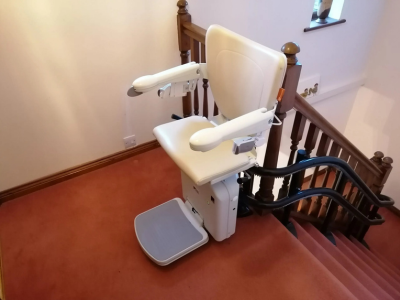
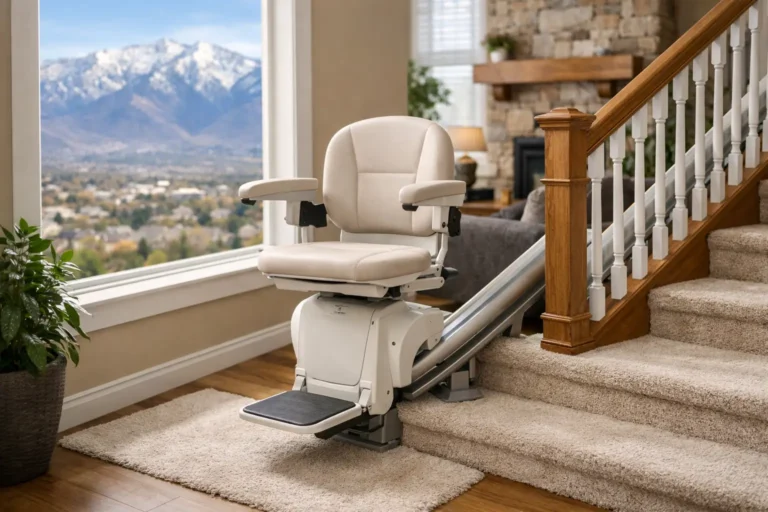
The biggest factor is the staircase itself. If your stairs run in a straight line from bottom to top, the rail is simpler and the installation is usually faster. Straight stairlifts tend to be the most affordable because the equipment is more standardized.
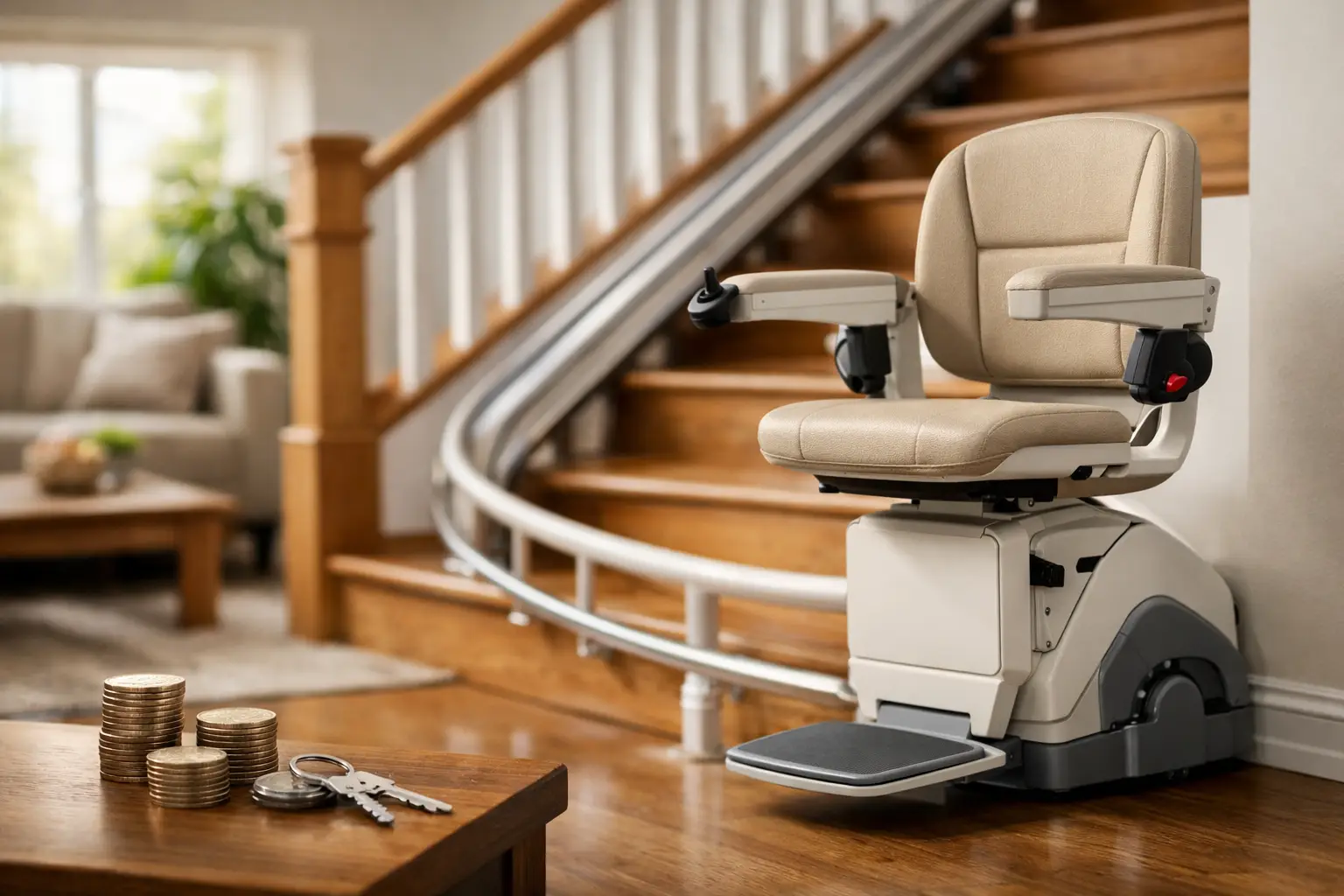
Curved staircases are different. If the stairs turn at a landing, spiral, or have multiple bends, the lift generally needs a custom-built rail. That adds design, manufacturing, and installation time, which increases cost. In many homes, this one detail creates the largest price difference.
The second major factor is whether the lift is going indoors or outdoors. Outdoor stairlifts need weather-resistant materials, protective covers, and components built to handle Utah’s changing conditions. Those features are worth having, but they do raise the price compared with a standard indoor model.
Then there is the user’s comfort and mobility level. Some people do well with a standard seat and simple controls. Others need a higher seat back, a folding rail, a power swivel seat, or easier transfer options at the top landing. These features can make daily use safer and more comfortable, especially for someone with limited balance, arthritis, or reduced leg strength.
Typical price ranges to expect
For most homeowners, a new straight stairlift lands in the lower price range compared with other home accessibility upgrades. A curved stairlift costs more because it is more customized. Outdoor lifts often fall somewhere above a comparable indoor straight model due to materials and protection features.
A useful way to think about cost is by category rather than by one universal number. Straight stairlifts are the entry point for many homes. Curved stairlifts are a more tailored solution. Reconditioned units may lower upfront cost when the staircase and user are a good match, but availability depends on inventory and fit.
Installation is often part of the quote, but not always in the way homeowners assume. Some companies bundle it into one total. Others separate equipment, labor, and additional modifications. That is why two quotes can look different even when they are for similar lifts.
If you are comparing estimates, ask whether the price includes the rail, seat, batteries, installation, warranty coverage, and any service call during the early ownership period. A lower quote can look appealing until those pieces are added back in.
Why straight stairlifts usually cost less
Straight stairlifts are more predictable from both a product and labor standpoint. The rail is cut to length rather than designed around turns and landings, and the technician can usually complete the installation more quickly. That efficiency often lowers the total project cost.
They are also easier to replace or upgrade later if needs change. If a homeowner wants a folding rail at the bottom to reduce a tripping hazard near a doorway, that may add cost, but it is still typically more affordable than moving into the custom curved category.
For many people aging in place, a straight stairlift solves the immediate problem without major construction. That is a big reason families often choose it over more disruptive remodeling.
When curved stairlift cost is worth it
A curved stairlift is more expensive, but it can be the right answer when the home has a staircase that does not allow a straight run. In those homes, the alternative may be relocating a bedroom, avoiding part of the home, or considering a move. When viewed against those options, the cost often feels more practical.
Curved models also help preserve normal traffic flow in homes with intermediate landings or turns. A properly fitted rail follows the staircase rather than forcing a workaround. That improves daily safety and can make the lift feel like a natural part of the home instead of an obstacle.
This is where an in-home evaluation matters. Pictures and rough measurements rarely tell the full story. Ceiling clearance, landing space, chair position, and transfer safety all affect what can be installed and how comfortable it will be to use.
Hidden costs people should ask about
Most stairlift projects are straightforward, but there are a few costs that can catch families off guard if they only focus on the base number.
Electrical needs are one example. Many modern stairlifts run on batteries that charge from a standard household outlet, which helps during a power outage. Still, the nearest outlet and charging location should be checked. If an outlet needs to be added nearby, that may involve additional work.
Service coverage is another area worth understanding. A stairlift is not a purchase most people want to think about after installation, but maintenance still matters. Ask what happens if the lift stops working, how quickly service is available, and whether parts and labor are covered under warranty. Fast local support can be just as valuable as a lower upfront number.
There is also the question of removal, relocation, or future changes. If the user’s needs shift or the home is being prepared for sale later, some families want to know what that process and cost might look like ahead of time.
New vs. reconditioned stairlifts
A reconditioned stairlift can be a smart option for the right home, especially when budget is a concern and the staircase is straight. The savings can be meaningful, and many homeowners appreciate having a lower-cost path to better safety.
But it depends on condition, warranty, and fit. Not every used unit is a good candidate for every user. The goal should never be simply finding the lowest price. It should be finding a lift that is dependable, comfortable, and supported by a company that can service it.
For that reason, families often benefit from working with a local provider that can evaluate both the staircase and the user, explain the trade-offs clearly, and handle installation and ongoing service. Olympus Stairlifts approaches the process that way because the right fit matters more than a one-size-fits-all quote.
How to budget for a stairlift without overbuying
Start with the person who will use it every day. Their height, balance, hip and knee mobility, hand strength, and confidence transferring on and off the chair all matter. A feature that sounds optional on paper may be essential in practice.
Next, think about the home. Is the staircase narrow? Is there a doorway near the bottom? Will other family members still need easy access? These details affect whether a standard rail works or whether a folding rail or custom option makes better sense.
Finally, think beyond purchase day. A stairlift is really a safety decision. If it helps someone stay in the home they love, move between floors without fear, and avoid the strain of stairs during recovery or aging, that value goes far beyond the equipment itself.
Getting an accurate quote
Online pricing can give you a rough starting point, but it cannot replace an in-home assessment. The most accurate quote comes from measuring the stairs, checking clearances, reviewing the user’s mobility needs, and confirming which features will make the lift safe and comfortable.
That process should feel clear, not pressured. A good provider will explain what is driving the cost, point out any trade-offs, and recommend the simplest option that genuinely works. Sometimes that means a straight stairlift. Sometimes it means a curved model, an outdoor unit, or even a different accessibility solution altogether.
If you are trying to plan ahead for yourself or for a parent, the best time to ask questions is before the stairs become a daily risk. The right stairlift can restore more than access to a second floor – it can bring back confidence in the home.