A deck should be a place to enjoy fresh air, family time, and a little peace at the end of the day – not a set of stairs that feels risky every time you use it. For many homeowners, an outdoor stair lift for deck access is the difference between avoiding that space and using it with confidence again.
If you are starting to look at options, the right answer is not always as simple as picking a model and scheduling installation. Outdoor lifts need to match the staircase, hold up to weather, and feel safe for the person using them. They also need to work well with the home itself, especially if the goal is to make daily life easier for months and years ahead.
When an outdoor stair lift for deck access makes sense
Deck stairs can become a real obstacle long before someone considers themselves fully disabled. A painful knee, reduced balance, shortness of breath, recovery after surgery, or the normal changes that come with aging can make even a few exterior steps feel like too much. In many homes, the deck is also the most practical route to a backyard, patio, or side entrance.
That is why this type of lift is often less about convenience and more about protecting independence. If someone is skipping family cookouts, avoiding the yard, or relying on another person every time they want to step outside, the home is starting to feel smaller. A properly selected outdoor stair lift can give that space back.
It can also help caregivers. When a family member is worried about falls on wet wood, icy steps, or uneven footing, the stress adds up quickly. A lift does not remove every concern, but it can make a familiar route much safer and far more manageable.
How an outdoor stair lift works
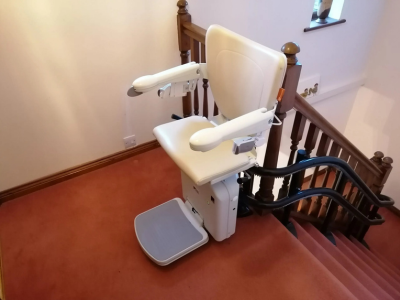
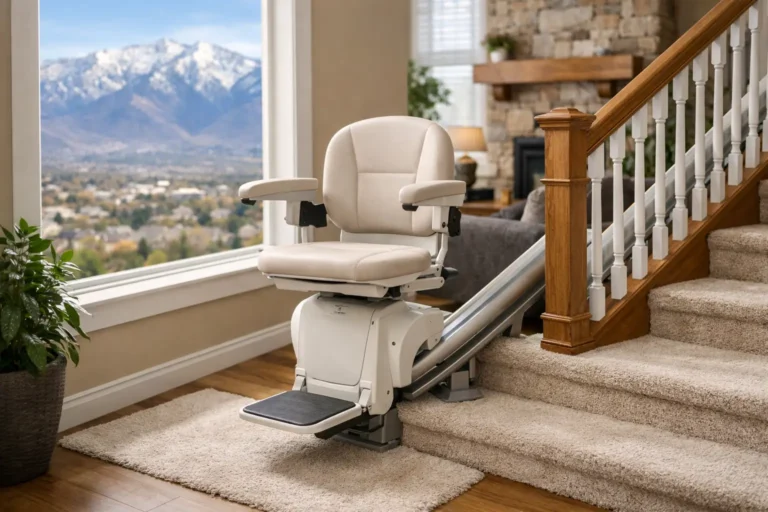
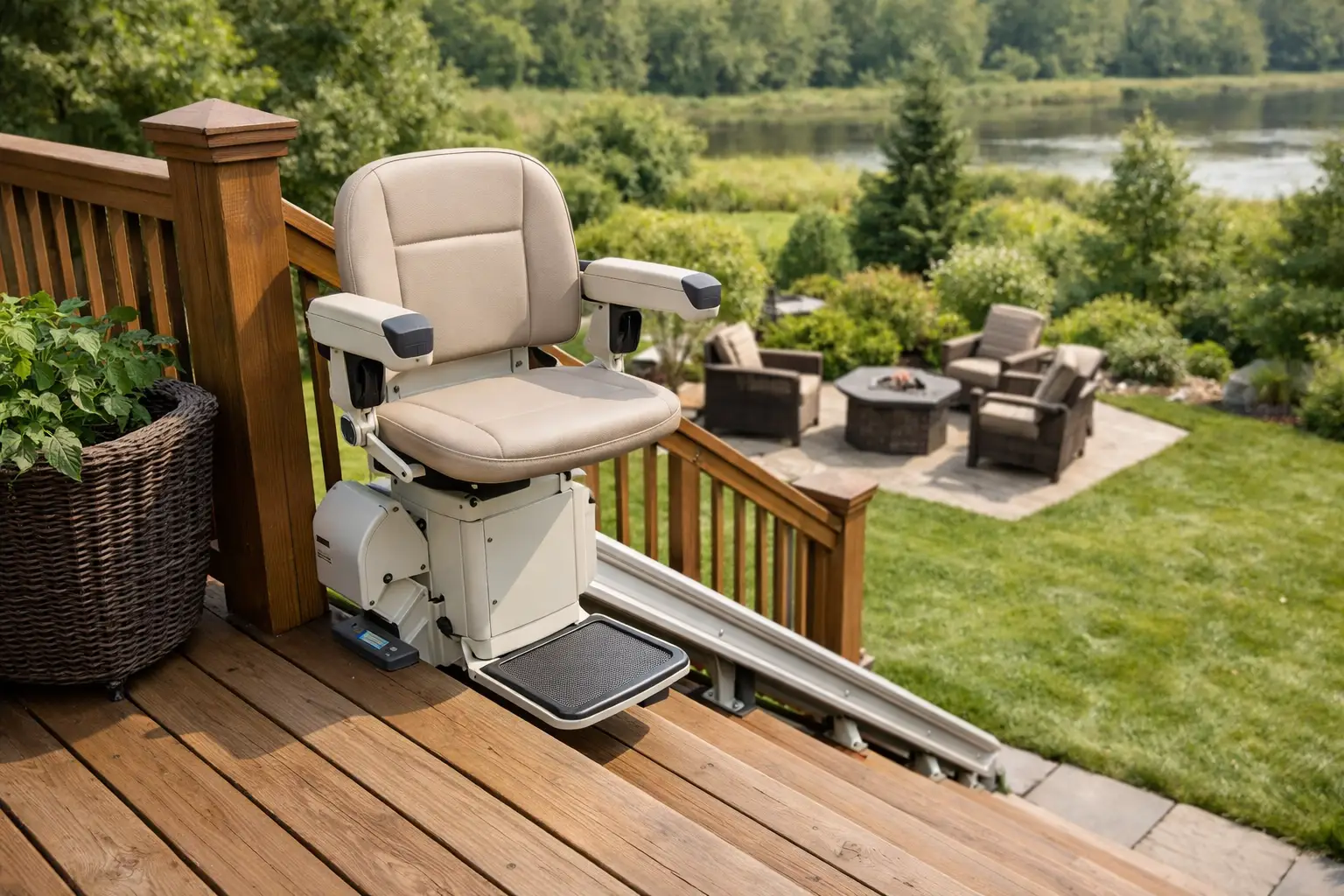
An outdoor stair lift uses a chair mounted to a rail that follows the staircase. The user sits in the seat, secures the belt, and rides up or down at a steady speed. Most units include simple controls on the armrest and call-send controls so the lift can be moved when needed.
What makes an outdoor model different is the way it is built for exposure. The seat, controls, and drive components are designed to handle changing temperatures, moisture, and sun better than an indoor unit. Many also come with a protective cover to shield the chair when it is not in use.
That said, outdoor does not mean maintenance-free. Utah weather can be tough, and any equipment installed outside benefits from periodic service and inspection. Snow, dust, and temperature swings all matter, which is one reason professional installation and local support are so valuable.
Not every deck staircase is the same
One of the biggest mistakes people make is assuming any exterior stairs can take the same lift. In reality, the staircase shape and landing space matter a lot.
A straight staircase is usually the simplest and most affordable setup. If the deck stairs run in one line from top to bottom, installation is generally more direct. Curved stairs, stairs with turns, or layouts with limited landing space may need a custom solution or a different type of accessibility equipment altogether.
The top and bottom landings are just as important as the stairs themselves. A user needs enough room to get on and off the chair safely. If a deck is tight, or if a gate, railing, or door sits too close to the staircase, the design has to account for that. Sometimes a folding rail, swivel seat, or different mounting approach can solve the issue. Sometimes it points to another product as the better fit.
Safety features worth asking about
When families shop for a lift, they often focus first on price. That is understandable, but safety and day-to-day usability should carry more weight. The lift only helps if the person using it feels secure every time they ride.
Look for a seat belt, obstruction sensors, stable footrest, locking swivel seat, and easy-to-use controls. A weather-resistant cover is also important, especially for homes that deal with snow, wind, or strong summer sun. Battery-powered operation can be especially helpful because it allows the lift to keep working during a power outage, as long as the batteries are charged.
Comfort matters more than people expect. Seat height, armrest position, and the ease of sitting down and standing up can make a big difference for someone with limited strength or joint pain. A lift that looks fine on paper may not be the right fit in practice.
Outdoor stair lift for deck vs other access options
A stair lift is not the only way to reach a deck. In some cases, a vertical platform lift may be a better match. This is especially true for wheelchair users who want to stay in their chair rather than transfer to a stair lift seat.
Ramps are another option, but they require much more space than many homeowners expect. For a taller deck, a ramp can become long, steep, or difficult to fit into the yard without major changes to the property. A stair lift usually has a smaller footprint and less structural impact.
There are trade-offs. A stair lift is often a practical solution for someone who can transfer safely into a seat, while a platform lift may better serve someone with more limited mobility. The best choice depends on the person, the staircase, and how the space is used every day.
What installation usually involves
Most homeowners are relieved to learn that a stair lift rail is typically mounted to the stair treads, not the wall. That can make installation cleaner and more flexible than expected. Outdoor staircases still need to be structurally sound, of course, and the installer should verify that the stairs can support the system properly.
A professional in-home assessment is the most important part of the process. Measurements need to be exact. The installer should check the angle of the stairs, landing size, nearby doors, railings, and exposure to weather. This is also the time to talk through who will use the lift, whether they need help transferring, and what features will make the ride feel comfortable.
For Utah homeowners, climate should be part of that conversation. Cold winters and hot summers can affect how and where equipment performs best. A local provider that understands those conditions can help you avoid choices that look good initially but create frustration later.
Questions that help you choose the right lift
Before making a decision, it helps to think beyond the staircase itself. Who will use the lift most often? Are mobility needs likely to change? Is the deck the main outdoor access point, or just one of several? Will the user be comfortable with a seated lift, or would a platform be safer?
You should also ask about service after installation. Outdoor equipment works hard, and long-term support matters. A dependable provider should be able to explain what maintenance is recommended, how repairs are handled, and what to expect if the lift needs adjustment over time.
This is where working with a full-service company can make the process easier. Instead of piecing together advice, installation, and future repairs from different sources, you have one team looking at the whole picture.
Cost matters, but fit matters more
It is natural to ask what an outdoor stair lift costs. The answer depends on the staircase length, whether it is straight or custom, the features selected, and the complexity of installation. Exterior conditions can also affect the setup.
But the larger question is value. A lift that is properly matched to the home can help someone continue using important parts of the property safely and comfortably. It can reduce fall risk, lower caregiver strain, and make aging in place more realistic. Those benefits are hard to measure against a simple price tag.
At Olympus Stairlifts, that is why the evaluation matters so much. The goal is not to sell a piece of equipment in isolation. It is to recommend a solution that genuinely supports safety, independence, and day-to-day comfort.
If deck stairs are starting to limit how you use your home, it may be time to look at what a better access solution could change – not just for getting outside, but for feeling at ease in your own space again.