A few porch steps can change the whole feel of coming home. For someone using a wheelchair, walker, or scooter – or even for a person unsteady after surgery – those steps can turn a familiar entry into a daily barrier. A mini VPL for porch steps is designed for exactly that kind of problem. It gives homeowners a practical way to bridge a short rise without rebuilding the entire front entrance.
For many families, the question is not whether accessibility matters. It is whether there is a solution that feels manageable, safe, and appropriate for the home they already love. That is where a mini vertical platform lift often earns serious consideration.
What a mini VPL for porch steps actually does
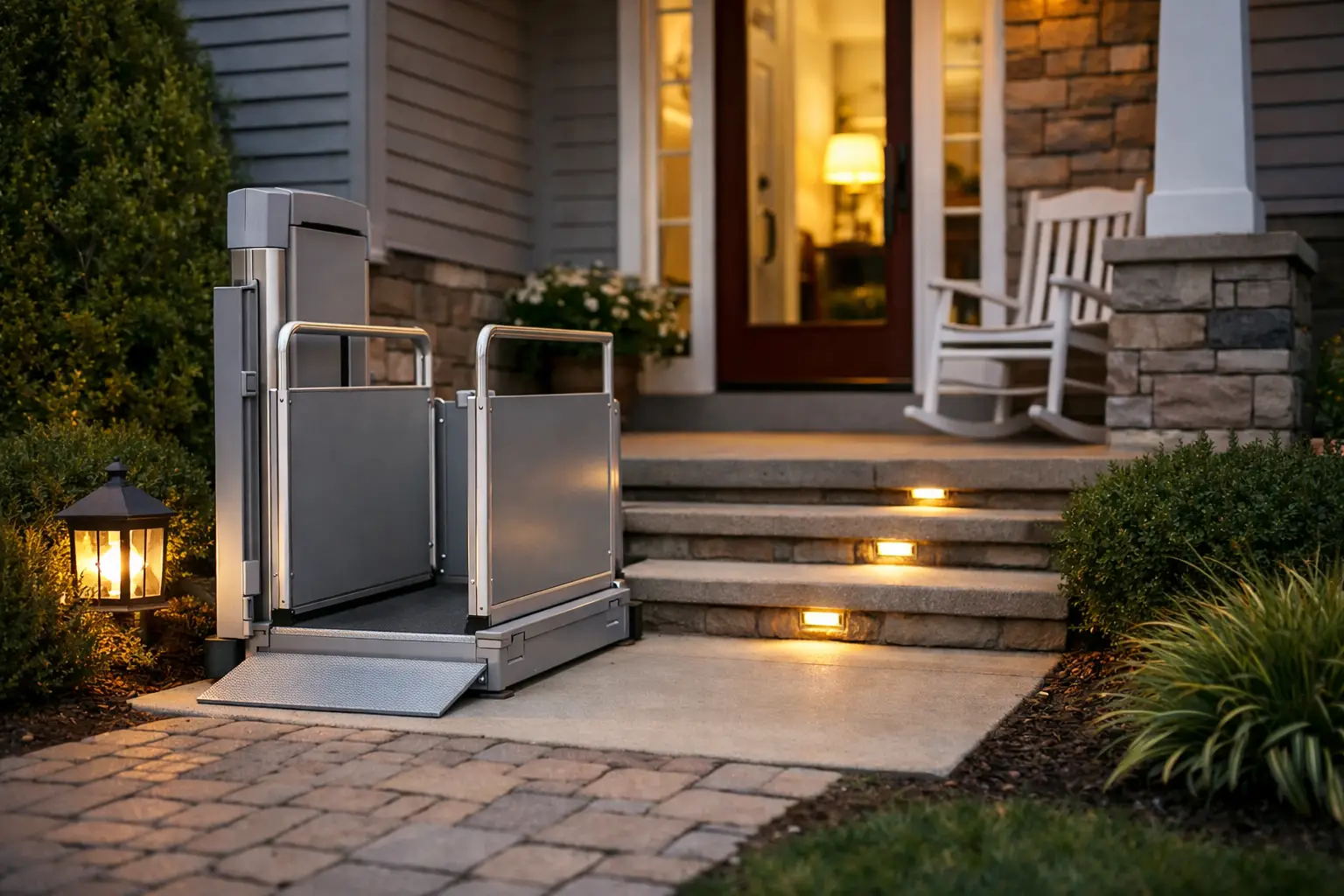
A mini VPL, or mini vertical platform lift, is a compact lift that raises and lowers a person on a platform over a short vertical distance. In a residential setting, it is often used to overcome a small run of porch steps leading to a front door, side door, garage entry, or deck.
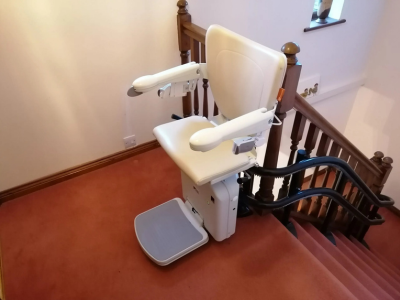
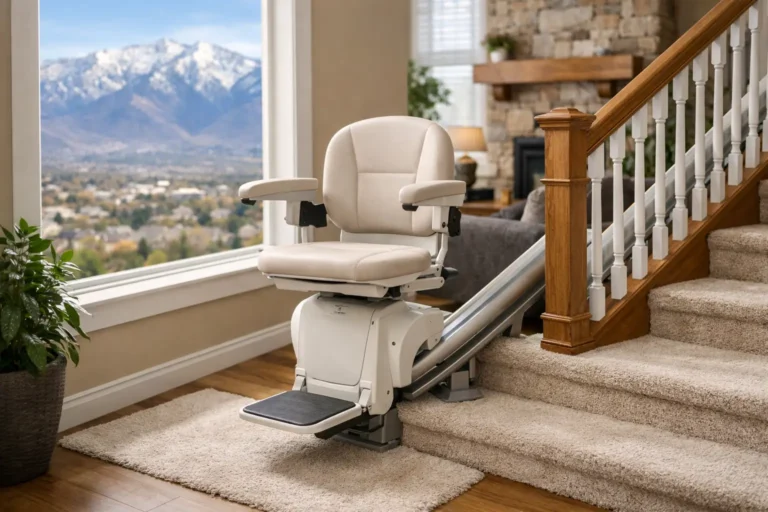
Unlike a stairlift, which carries a seated rider along the line of the stairs, a mini VPL lifts the person and their mobility device straight up. That difference matters. If someone uses a wheelchair or scooter, or has difficulty transferring safely from standing to sitting, a mini VPL may be a better fit than a stairlift. It can also feel less demanding for caregivers, since there is no need to fold and manage a mobility device separately while helping someone up the steps.
Most porch applications involve a rise of just a few feet. That is where mini VPLs shine. They are not meant to replace a full residential elevator, and they are not always the answer for tall elevations. But for low-rise access at an entryway, they can solve a very specific problem very well.
When a mini VPL for porch steps makes more sense than a ramp
Many homeowners first think about a ramp, and that is understandable. Ramps are familiar and can be a good solution in the right space. The challenge is that exterior ramps need length. For a porch with several steps, the amount of ramp needed can quickly become larger than people expect.
That can create a few issues. A long ramp may dominate the front of the home, crowd a walkway, interfere with landscaping, or simply not fit the lot. In winter conditions, it can also mean more surface area to clear and maintain. In parts of Utah where snow, ice, and slope are part of everyday life, that practical reality matters.
A mini VPL offers a more compact footprint. Instead of stretching out across the yard or driveway, it uses vertical travel to overcome the rise. For many families, that means preserving more of the home’s appearance while creating easier access at the same time.
That said, a ramp is still sometimes the better answer. If the rise is very low, the yard has room, and independent power-free access is the top priority, a ramp may be worth considering. The right choice depends on the home, the user, and how the entry is used day to day.
Who is a good candidate for this kind of lift
A mini VPL can be a strong option for several kinds of households. It is often a good fit for people who use wheelchairs or scooters and need a straightforward way to get from ground level to the porch. It can also work well for people who use walkers and feel safer standing on a stable platform than trying to manage a few outdoor steps.
Families caring for an aging parent often look at mini VPLs when falls become a concern at the front entry. The same is true for homeowners recovering from surgery or living with a condition that makes lifting their feet, balancing on steps, or handling uneven outdoor surfaces difficult.
There is also a quality-of-life factor that should not be overlooked. A front entrance is not just another part of the house. It is how people leave for appointments, receive guests, get the mail, and come home. When that space becomes hard to use, independence starts shrinking in ways that feel bigger than a few steps.
What to think about before installation
The best lift on paper can still be the wrong lift if the site is not evaluated carefully. Porch height, landing size, door swing, drainage, slope, and available power all affect what will work. Outdoor equipment also needs to stand up to weather exposure, so material durability and protective features matter.
Safety is another major consideration. A mini VPL for porch steps should be selected and installed with proper gates, controls, platform size, and travel limits for the user’s needs. If someone will be using a larger power chair or scooter, the platform dimensions and weight capacity need close attention. If a caregiver will often assist, the layout around the lift should allow comfortable positioning without crowding.
It is also worth thinking ahead. A solution that works for today should still serve the household reasonably well a few years from now. If mobility needs are changing, it helps to choose equipment based on likely future use, not only current limitations.
How the process usually works
For most homeowners, this starts with an in-home evaluation. That is the practical step that removes guesswork. Measurements are taken, the entry is reviewed, and the user’s mobility equipment and daily routine are considered.
From there, the conversation usually becomes simpler. Instead of comparing abstract product features, families can focus on what fits their porch, what feels safest, and what level of convenience they want. Questions about weather protection, controls, gate configuration, and placement are easier to answer when the space is right in front of you.
Professional installation matters just as much as product selection. Exterior access equipment is not something most homeowners want to treat as a trial-and-error project. A properly installed lift should feel stable, predictable, and easy to use from day one. Ongoing service support also matters, because accessibility equipment is only helpful when it stays reliable.
Common concerns homeowners have
One of the biggest concerns is appearance. People worry that adding a lift to the front porch will make the home look institutional. In many cases, a mini VPL is actually less visually intrusive than a long ramp. The footprint is smaller, and with the right placement it can blend into the porch layout more naturally than people expect.
Another concern is cost. A mini VPL is a significant home accessibility investment, so families want to be sure they are solving the right problem. That is exactly why a site-specific recommendation is so important. Sometimes a simpler option will do the job. Other times, paying for the lift is what prevents repeated injuries, difficult transfers, or the much larger cost of moving.
Weather is another fair question. Outdoor lifts are built for exterior use, but they still benefit from thoughtful placement and proper care. Snow exposure, rain, debris, and freeze-thaw cycles all matter. In Utah, that makes local experience especially useful, because installation decisions should reflect real climate conditions, not generic assumptions.
A mini VPL is not always the answer
The right accessibility solution depends on the person and the home. If the user can safely sit and transfer, and the stairs are straight and suitable, an outdoor stairlift may be the better fit. If the rise is minimal and there is plenty of room, a ramp could still be a practical choice. If the goal is to connect multiple levels inside the home, then a different type of lift may be needed entirely.
That is why a consultative approach matters. Good recommendations come from looking at the user, the space, and the daily routine together. A product should fit the home, but it should also fit the life happening in that home.
For homeowners trying to stay independent, or for family members trying to make a loved one’s home safer, a mini VPL for porch steps can be a very effective solution. It addresses a focused problem without demanding a full home remodel, and for the right household, that can make everyday life feel open again.
If your front steps are starting to limit how safely and comfortably someone can enter the home, the most helpful next step is usually a real on-site assessment. The right answer often becomes clear once someone looks at the porch, listens to how the space is used, and recommends a solution that matches both safety needs and the home itself.