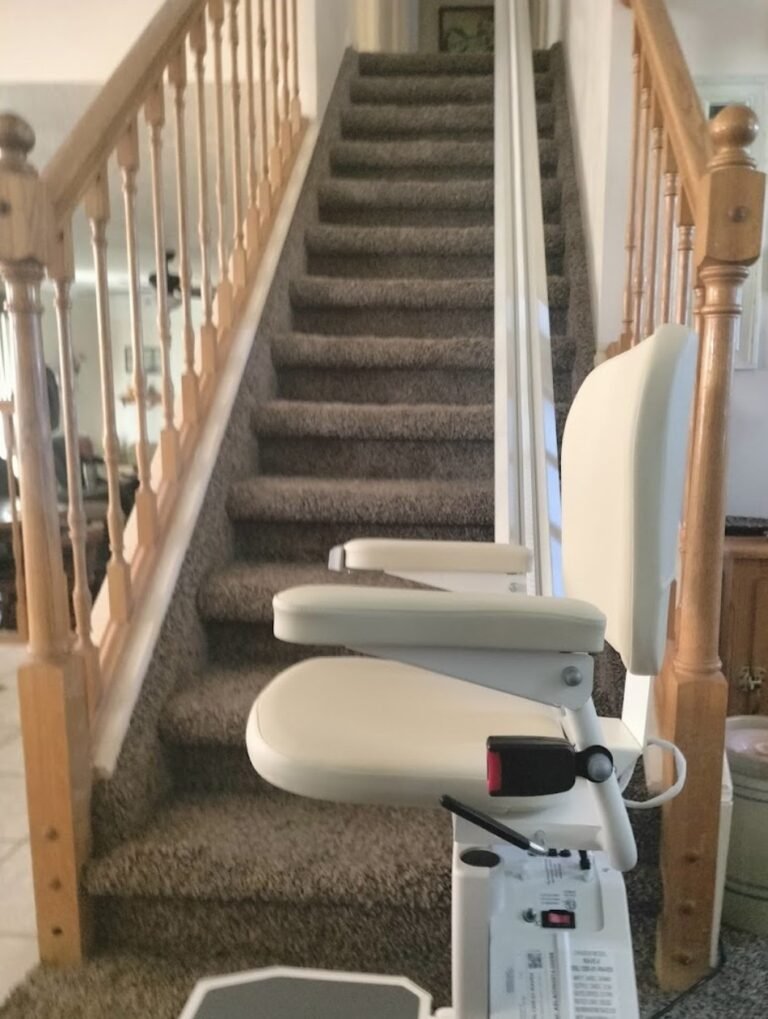
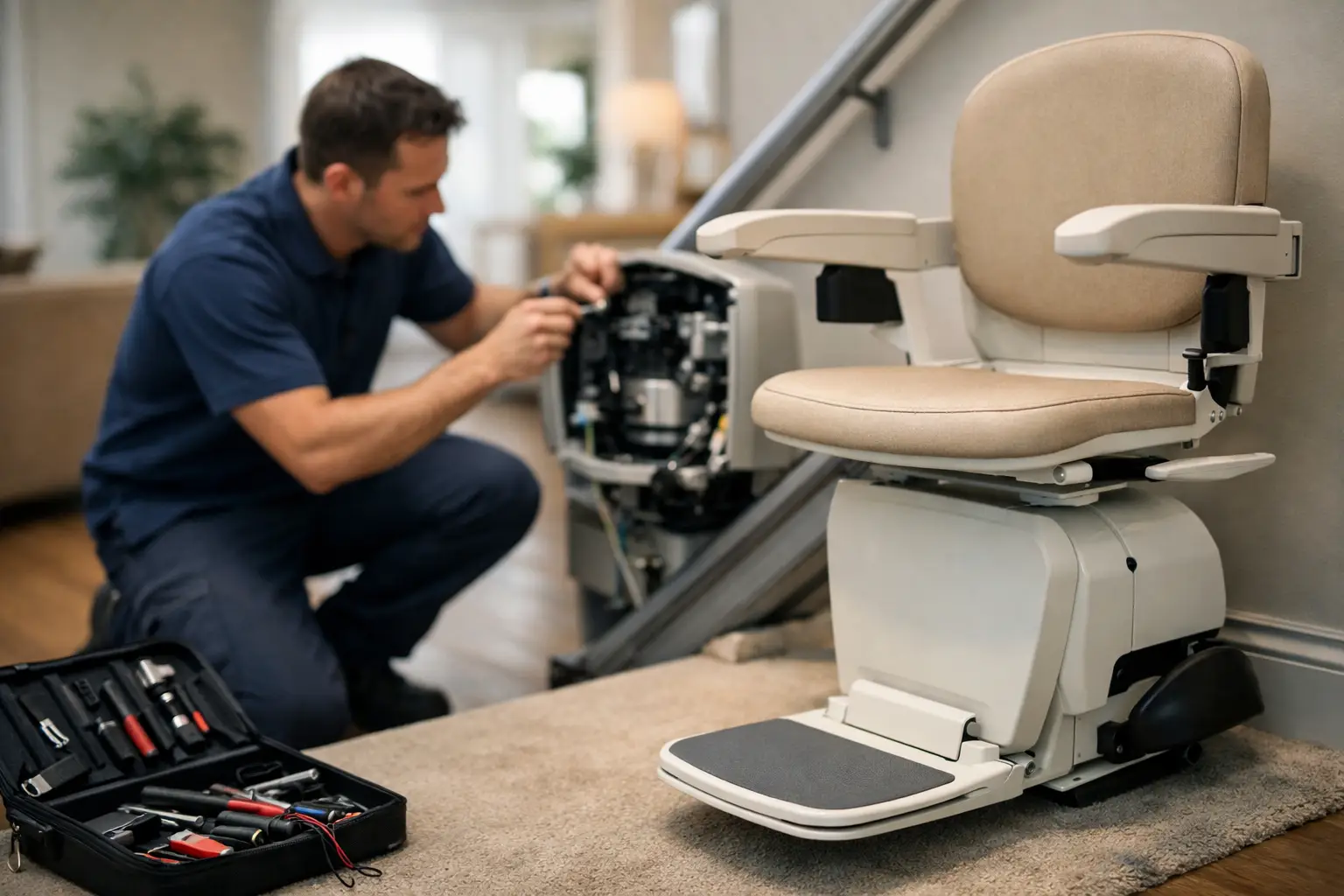
A reliable stair lift preserves your daily routine and independence by letting you move safely between floors. Keeping your equipment running smoothly requires simple cleanings, safety checks, and scheduled professional tune-ups. Following this practical checklist protects your investment, prevents unexpected breakdowns, and ensures your lift operates quietly and securely every day.
💡 Core Maintenance Rule: Routine homeowner care involves gentle exterior cleaning and visual checks. Never attempt to disassemble mechanical drives, adjust electrical wiring, or force safety switches yourself. Leave complex mechanical work to certified professionals.
Why Utah Climates Require Proactive Stair Lift Care
Homes along the Wasatch Front and in higher-elevation valleys face distinct environmental factors that affect mechanical equipment. Whether you live in Salt Lake City, Ogden, Bountiful, or mountain communities like Eden and Park City, local weather patterns create challenges indoors and out.
In homes around Ogden, Layton, Bountiful, and Brigham City, ordinary indoor dust, pet hair, and tracked-in grit can collect around a stair lift. Keep the surrounding stairs clear and follow the cleaning instructions for your specific make and model. Avoid exposing charging equipment to moisture or extreme temperatures.
Outdoor stair lifts in places such as Mountain Green, Morgan, and Park City need extra attention during snow, freeze-thaw cycles, and summer heat. Remove snow or debris from the travel path only when it is safe to do so; never chip ice from or apply de-icer to lift components unless the manufacturer specifically permits it. If ice blocks the rail, stop using the lift and contact Olympus Stair Lifts about service.
Winter Dryness & Static
Dust and pet hair can accumulate near the rail. Follow manufacturer cleaning guidance.
Summer Heat & Batteries
Warm seasons demand steady charging habits so internal backup batteries do not degrade from thermal stress.
Elevation & Outdoor Elements
Outdoor models in mountain areas require frequent checks for snow, frozen runoff, and salt dust that foul drive racks.
Homeowner Maintenance Schedule
You do not need specialized tools or mechanical training to keep your equipment in prime condition. Dividing tasks into weekly, monthly, and seasonal intervals keeps upkeep straightforward and manageable for caregivers and family members alike.
Weekly Tasks: Visual Checks and Wipe-Downs
- Clean the track surface: Use a dry, lint-free microfiber cloth to wipe along the top and sides of the rail. Remove accumulated dust, pet hair, and fibers before rollers compress them into the track teeth.
- Check the travel path: Inspect the stairway for shoes, runner edges, cords, or toys that could obstruct the chair or trigger safety stop sensors.
- Wipe the seat and armrests: Clean upholstery and controls with a damp cloth and mild dish soap. Avoid harsh chemicals or sprays that weaken vinyl or seep into switches.
- Verify the seatbelt: Latch the seatbelt, tug gently to verify positive locking, and inspect the webbing for fraying.
Monthly Tasks: Safety Sensors and Battery Health
- Check safety edges visually: Look for cracked, damaged, or obstructed footrest and carriage safety edges. Do not put your hands near a moving carriage or deliberately trigger a sensor while the lift travels. Ask a technician to perform functional safety testing according to the model’s service instructions.
- Check the swivel seat: With the lift stationary, confirm that the seat latches securely in its normal riding position. If it does not lock or an interlock appears faulty, stop using the lift and arrange service.
- Inspect charging points: Ensure the carriage parks fully against charging pins. Check that the charging status light displays a normal charge indicator.
- Test remote controls: Call and send the unoccupied chair using upper and lower wireless remotes. Replace weak remote batteries promptly.
Seasonal Tasks: Outdoor Protection and Track Review
- Inspect rail brackets visually: Look for obvious movement, gaps, or loose hardware without touching or adjusting the mounting fasteners. If anything is loose, stop using the lift and request service.
- Weather cover maintenance: For outdoor units in northern Utah, inspect vinyl covers for tears or brittle seams before winter freezes or summer sun arrive.
- Review charging and backup readiness: Check the charging indicator and consult the owner’s manual for model-specific power-outage guidance. Do not unplug the charger for a test ride; ask a qualified technician to assess battery capacity under load.
Stair Lift Maintenance Reference Guide
Use this reference table to understand what each task entails, how often to perform it, and who should handle the work.
Common Maintenance Mistakes to Avoid
Homeowners sometimes cause accidental damage by using improper products or attempting unauthorized repairs. Avoiding these common mistakes protects your stair lift from premature wear:
- Applying the wrong lubricant: Do not spray penetrating oil, grease, or cooking oil onto the rail. Some lift models require specific lubricants at specific points, while others do not; follow the manufacturer’s instructions or ask a service technician.
- Parking away from the charging location: Many battery-powered lifts charge at designated points or along parts of the rail, depending on the model. Follow the owner’s manual and confirm the normal charging indicator before leaving the chair parked.
- Ignoring unexpected beeping or indicator lights: Alerts can indicate charging problems, an obstruction, or another model-specific fault. Check the owner’s manual for the indicator meaning; if the cause is unclear or the warning persists, stop using the lift and arrange service.
- Using harsh solvents on plastic parts: Bleach, ammonia, and abrasive powders degrade plastic safety covers, crack switches, and cloud clear panels. Use only a damp cloth with mild soapy water.
- Attempting DIY mechanical adjustments: Never loosen carriage covers, tamper with gearboxes, or adjust electrical limit switches. These internal assemblies protect against mechanical runaway and require factory training to service safely.
When to Schedule a Professional Stair Lift Evaluation
While regular wipe-downs maintain cleanliness, certain signs require prompt attention from a certified mobility technician. Operating a lift that displays mechanical distress can worsen equipment damage or compromise passenger safety.
If your stair lift shows unusual behavior, stop using it and request an Olympus service evaluation or call (385) 430-7420. Contact a technician right away if you observe any of the following symptoms:
- Jerky or stuttering movement: If your lift hesitates, vibrates, or shudders during travel, the drive gear, rollers, or rail alignment need professional adjustment.
- Grinding, squealing, or clicking sounds: Unusual mechanical noise often points to worn guide rollers, motor brush wear, or debris lodged inside the carriage.
- Sluggish travel speed: Slower travel may indicate a battery, charging, or mechanical problem. If the chair moves unreliably, stop using it and arrange a professional evaluation.
- Persistent diagnostic fault codes: If digital display indicators show recurring fault numbers or error lights that do not clear with a reset, internal circuit boards require professional testing.
- Loosened rail stanchions: Any wobble or shifting in support posts anchored to your stairs creates uneven mechanical stress and requires prompt re-anchoring.
Professional servicing can identify wear and charging problems before they cause a breakdown. Olympus Stairlifts helps homeowners in Ogden and nearby Weber, Davis, Morgan, and Box Elder County communities. Service intervals and inspection steps vary by lift model and manufacturer. Read our stair lift repair guide for warning signs and our charging guide for common charging problems.
A Simple Framework for Caring for Your Lift
Managing mobility equipment does not need to feel complicated. Follow this four-part rule to keep your accessibility equipment operating reliably:
- Keep it clean: Wipe the track weekly with a dry cloth to prevent airborne dust from fouling guide rollers.
- Keep it charging: Park the lift at the charging location specified in its owner’s manual; some models charge at designated points, while others use a different charging arrangement.
- Listen to alerts: Treat beeps, indicator lights, and unusual sounds as urgent maintenance signals.
- Follow your model’s service schedule: Arrange professional maintenance as recommended by the manufacturer or sooner if you notice warning signs.
Following this routine helps straight, curved, and outdoor lifts stay reliable, although it cannot prevent every breakdown—helping you maintain lasting independence in the comfort of your own home.
Schedule Your Utah Stair Lift Tune-Up Today
Whether your lift needs its annual safety inspection, new backup batteries, or a professional evaluation, Olympus Stairlifts is here to help homeowners across Utah maintain dependable, safe accessibility.