A mobility scooter should make a trip to the mailbox, a family outing, or a grocery run feel manageable again – not introduce a new set of worries about balance, charging, or getting through the front door. The best mobility scooter for seniors is not necessarily the fastest, largest, or most expensive model. It is the one that fits the rider’s body, daily routine, home layout, and comfort level while providing dependable support.
For many older adults and families, choosing a scooter is about protecting independence without taking unnecessary risks. A thoughtful choice can reduce fatigue, make community activities easier to enjoy, and help a person stay connected to the places and people that matter most.
What Makes the Best Mobility Scooter for Seniors?
The right scooter begins with how and where it will be used. Someone who needs help moving around a large shopping center has different needs from someone who wants to travel down a paved neighborhood sidewalk or navigate a retirement community. Start with the everyday destination, not the product brochure.
Comfort and stability should lead the decision. Look for an adjustable, supportive seat with armrests that make it easier to sit down and stand up. A seat that swivels can be especially helpful for riders with limited hip, knee, or back mobility. The controls should be simple to reach and operate, with a speed setting that feels predictable rather than sensitive or abrupt.
Weight capacity also matters. The scooter should comfortably support the rider and any items they regularly carry, such as a purse, oxygen equipment, groceries, or a small bag. Choosing a model at the edge of its weight limit can affect performance, battery range, and long-term reliability.
Choose a Scooter Style That Fits Daily Life
Mobility scooters are generally available in compact travel, mid-size, and full-size styles. Each can be a good choice, but each involves trade-offs.
Compact travel scooters
Compact scooters are designed for portability. Many can be disassembled into lighter pieces for transport in a vehicle, making them practical for appointments, errands, vacations, or visits with family. They often have a tighter turning radius, which can help in apartments, smaller homes, and stores with narrow aisles.
The trade-off is that compact models usually offer less suspension, smaller tires, and a shorter travel range than larger scooters. They may feel less comfortable on uneven sidewalks, gravel, or long outdoor trips. They are best for riders who prioritize easy transport and primarily use smooth, level surfaces.
Mid-size scooters
A mid-size scooter often provides a balanced option for everyday use. It typically has a more supportive seat, more battery capacity, and better stability than a travel model while remaining manageable for common errands and indoor spaces.
For many seniors, this category offers the most practical combination of comfort and maneuverability. Still, it is wise to measure doorways, hallways, elevator openings, and the vehicle used for transport before deciding. A scooter that feels ideal in a showroom is only useful if it fits where the rider needs to go.
Full-size outdoor scooters
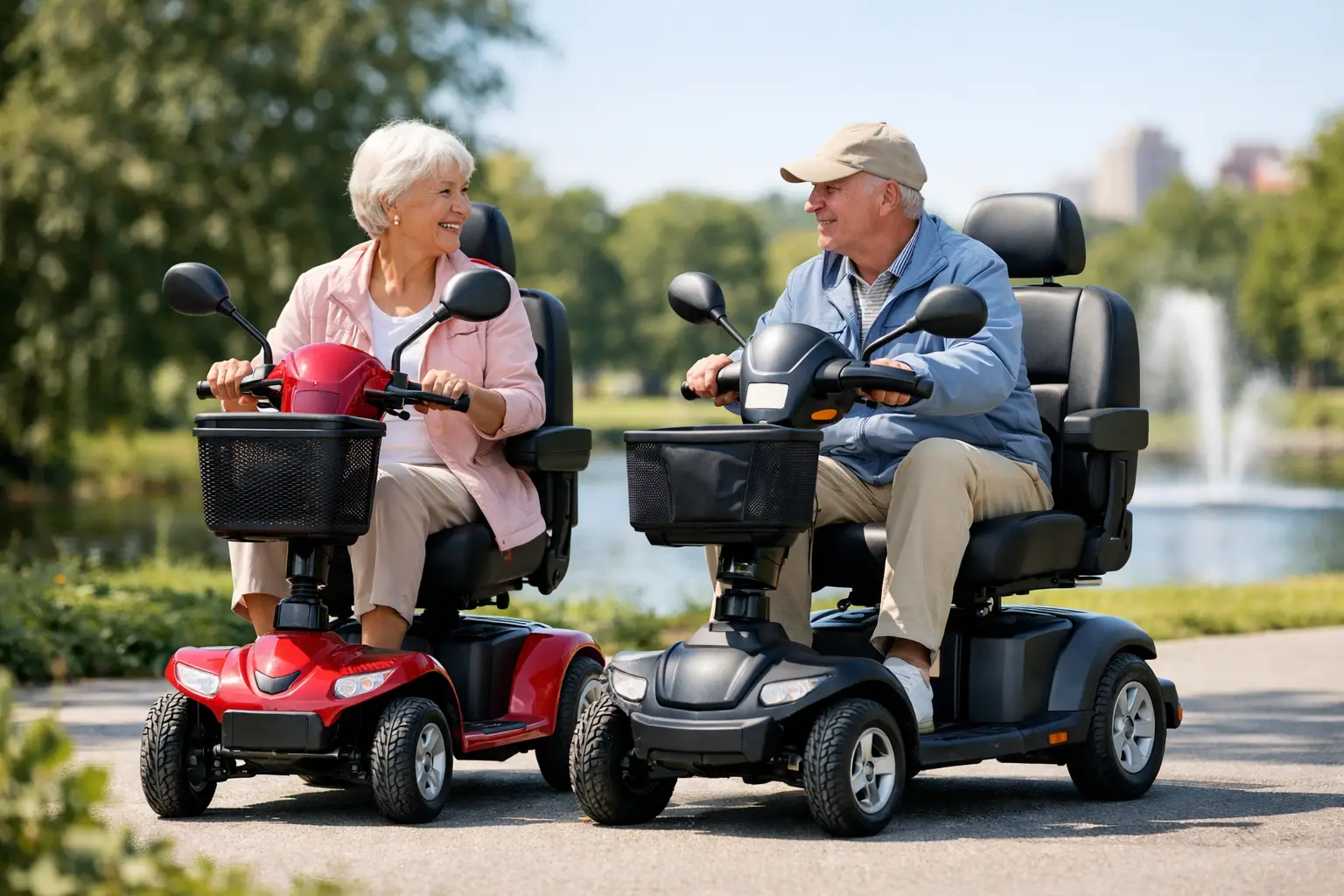
Full-size scooters are built for longer trips, more varied terrain, and riders who need extra support. They may include larger wheels, enhanced suspension, higher weight capacities, brighter lighting, and extended battery range. Four-wheel models are especially popular for outdoor use because of their stable base.
These scooters can be an excellent choice for neighborhood travel, larger properties, and frequent outdoor use. However, they require more storage space, may be difficult to transport without a vehicle lift, and can be too large for tight indoor turns. For some households, a full-size scooter paired with a properly planned entrance or ramp is a better solution than trying to force a smaller model to do more than it was designed to do.
Three Wheels or Four?
Three-wheel scooters are known for their tighter turning radius. They can be easier to maneuver in kitchens, stores, and narrow indoor areas. A rider who spends most of the day indoors or on smooth pavement may appreciate this agility.
Four-wheel scooters offer a wider stance and greater stability, especially outdoors, on sloped driveways, or over uneven pavement. Utah’s changing weather and varied terrain can make this added stability valuable. If balance is a concern, or if the scooter will frequently travel outside, a four-wheel option is often the safer choice.
Neither design is automatically better. The rider’s confidence, typical route, and ability to handle turns should guide the decision.
Safety Features Worth Prioritizing
A scooter is a mobility tool, but it is also a piece of equipment that needs to perform reliably every day. Essential features include an easy-to-read battery indicator, dependable brakes, anti-tip wheels, a horn, and lights or reflectors for low-light visibility. A rearview mirror can also be useful for navigating busy parking lots and community pathways.
Pay close attention to the scooter’s ground clearance and tire type. Low clearance may be fine indoors but can create problems on uneven sidewalks or driveway transitions. Pneumatic tires can offer a smoother ride outdoors, while solid tires avoid flats and need less maintenance. The better choice depends on the surfaces the rider encounters most often.
Speed should be treated as a comfort and control issue, not a selling point. A modest top speed is usually sufficient for daily use. What matters more is smooth acceleration, easy steering, and the ability to slow down confidently around corners, curbs, pedestrians, and doorways.
Battery Range Is More Than a Number
Battery range is often quoted under ideal conditions. In real use, hills, cold temperatures, rider weight, tire condition, and frequent stops can reduce the distance a scooter travels on one charge. It is usually wise to choose more range than the rider expects to need.
Consider the complete trip. A rider may be able to reach a nearby store, but will the battery still have enough charge for the return trip, a stop for lunch, or an unexpected detour? For regular outings, charging the scooter after use and following the manufacturer’s battery care recommendations helps avoid preventable interruptions.
If the scooter will be stored in a garage, make sure the charging area stays dry and protected from extreme temperatures. Batteries perform best when they are maintained consistently rather than left unused for long periods.
Measure the Home Before Buying
One of the most common mistakes is choosing a scooter before checking the home. Measure exterior doors, interior doorways, hallways, turns, thresholds, and storage areas. Also consider how the scooter will get from the driveway into the house. A single step, narrow landing, or steep threshold can become a daily obstacle.
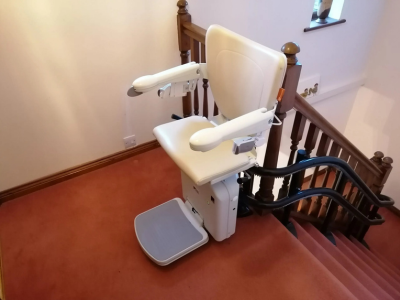
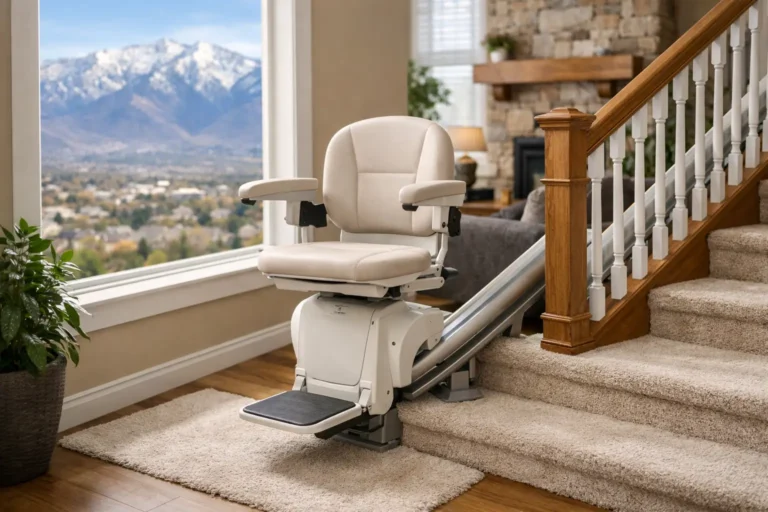
A mobility scooter may solve the challenge of getting around on one level, but it does not replace a solution for stairs. If a senior needs access to multiple floors, a stairlift, vertical platform lift, or residential elevator may be part of a safer long-term accessibility plan.
An in-home evaluation can help families see the full picture. It identifies whether the scooter will fit comfortably, where it can be charged, and whether an entryway or garage needs an accessibility improvement first.
Test Ride Before Making a Final Decision
Whenever possible, the rider should test the scooter personally. They should practice getting on and off, adjusting the seat, reaching the controls, turning both directions, and stopping smoothly. A family member can observe, but the rider’s own sense of comfort is the deciding factor.
During a test ride, ask whether the seat feels secure, whether the foot platform provides enough room, and whether the handlebars cause shoulder or wrist strain. The rider should not have to lean forward, twist awkwardly, or feel unsteady when turning. Small comfort issues can become major frustrations after daily use.
It is also worth asking about service, battery replacement, warranty coverage, and repair support before purchasing. A scooter is an investment in independence, and dependable local service matters when it needs attention.
Make the Choice With the Future in Mind
The best mobility scooter for seniors should meet today’s needs while allowing room for changing mobility needs tomorrow. A model that is easy to use, stable on familiar routes, and supported by qualified service can bring meaningful peace of mind to both the rider and the family.
At Olympus Stairlifts, a personalized assessment can help Utah families look beyond the scooter itself and create a home mobility plan that supports safer, more comfortable independence for the years ahead.