A staircase can become a daily source of worry long before it becomes impossible to use. A missed step, poor balance, sore knees, or the need to carry laundry upstairs can turn a familiar part of the home into a fall risk. So, are stairlifts safe for seniors? For many people, yes. When the lift is properly selected, professionally installed, and used as intended, it can be a safer alternative to climbing stairs on foot.
A stairlift is not simply a chair attached to a rail. It is a mobility system designed to carry one person between levels while reducing the physical demands and risks of stair use. The right system can help an older adult remain comfortable in the home they know, while giving family members greater peace of mind.
Are Stairlifts Safe for Seniors in Everyday Use?
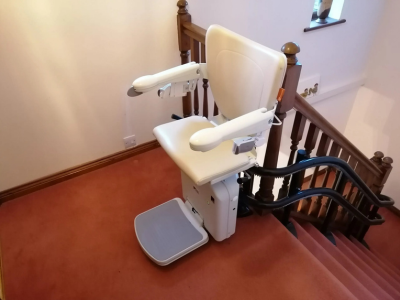
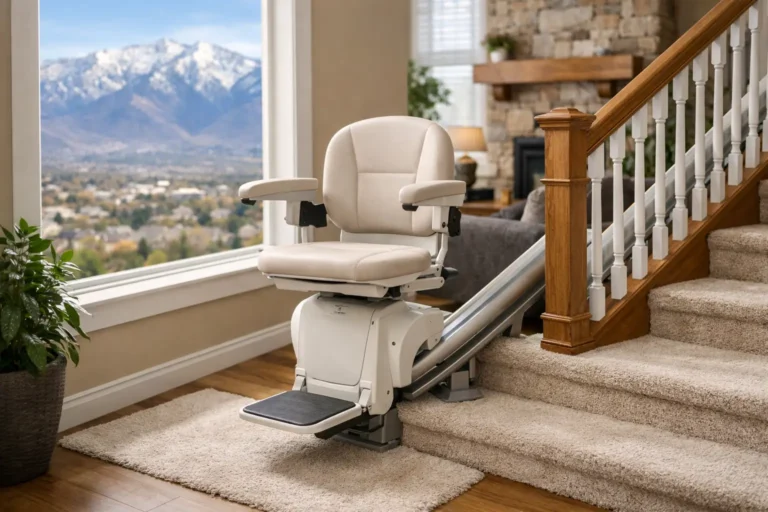
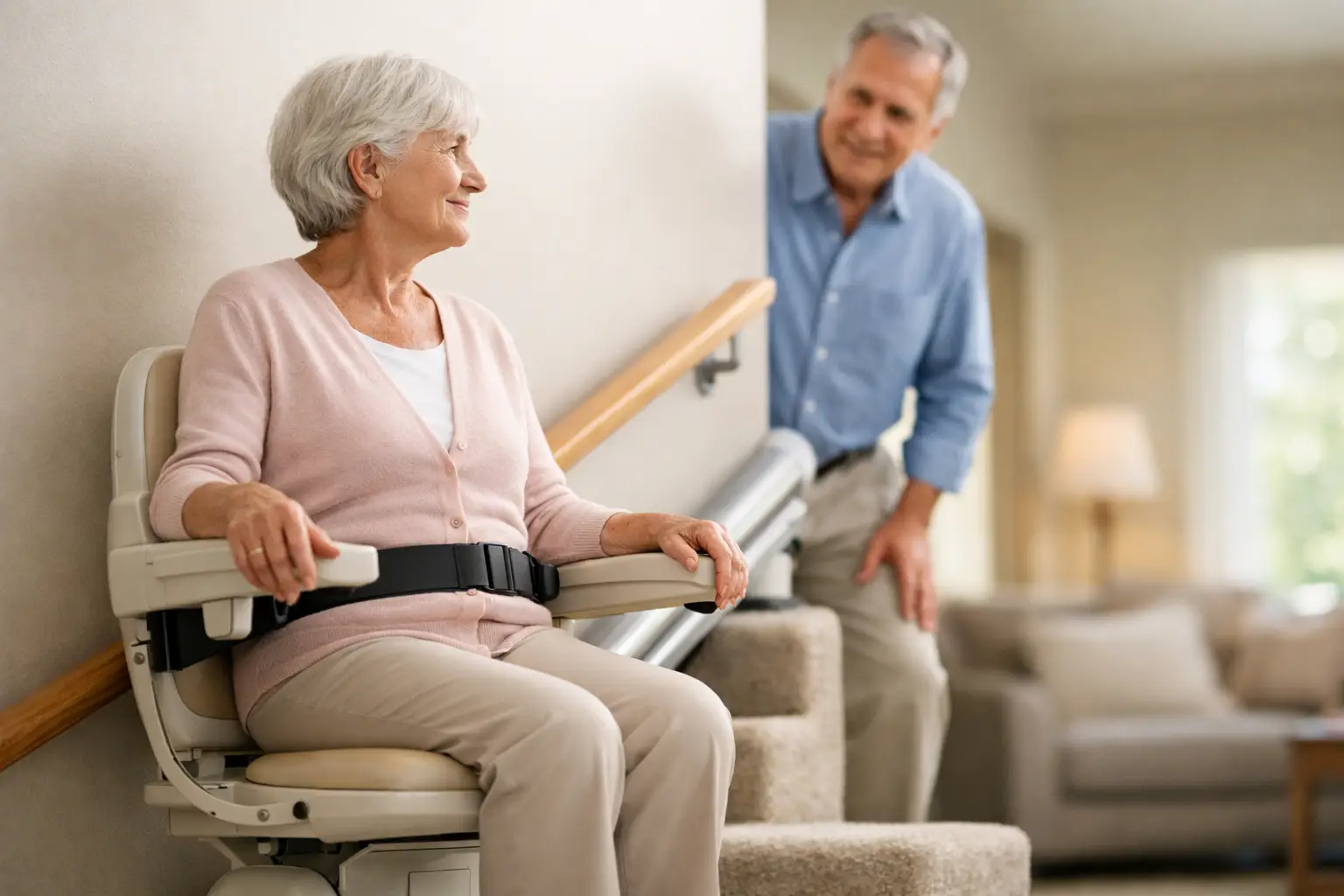
Stairlifts are built with multiple safety features that work together to protect the rider. Most modern models include a seat belt, a stable footrest, a swivel seat for safer entry and exit, and sensors that stop the lift if an object is detected on the stairs or rail.
The seat belt is especially important. Even on a smooth ride, it keeps the rider secure if they shift position, become dizzy, or experience an unexpected movement. A good rule is simple: sit fully back in the chair, lower the armrests and footrest, fasten the belt, and keep hands and feet inside the lift while it moves.
At the top of the stairs, a swivel seat can turn away from the staircase before the rider stands. This allows the person to step onto the landing rather than trying to turn around on a narrow stair tread. Many models lock in place when swiveled, creating a stable position for getting off safely.
Safety sensors are another major advantage. If a pet, shoe, laundry basket, or other item is in the stairlift’s path, sensors can stop the unit before it makes contact. This does not replace keeping stairs clear, but it adds an important layer of protection in a busy household.
The Installation Matters as Much as the Stairlift
A high-quality stairlift can only perform as safely as its installation allows. The rail must be measured carefully, attached securely, and positioned so the user can get on and off without standing in an unsafe location. This is why an in-home assessment is not just a sales step. It is an essential part of making sure the equipment suits the person and the home.
Straight staircases can often accommodate a standard rail. Curved stairs, landings, tight turns, and unusually narrow stairways may require a custom solution. A professional evaluator should look at the full staircase, the available landing space, head clearance, doorways, electrical access, and the user’s mobility needs before recommending a model.
The best placement also considers everyone else in the home. In many cases, the stairlift can be folded when parked so the stairs remain more open for family members. If the staircase is particularly narrow or the rider uses a wheelchair, a vertical platform lift or residential elevator may be a safer and more practical option than forcing a stairlift into a space where it does not fit well.
Professional installation also helps ensure that charging points, rail ends, and controls are working correctly from day one. Olympus Stairlifts provides in-home evaluations because the details of a home and the needs of a rider should guide the recommendation, not a one-size-fits-all assumption.
Features That Make a Stairlift Safer
Not every stairlift has the same capabilities, so families should focus on the features that support the rider’s specific needs. A person with arthritis may benefit from easy-to-use controls and a powered swivel seat. Someone with limited knee flexibility may need a seat height that makes transferring easier. For a household with frequent power outages, battery operation is particularly valuable.
Most residential stairlifts use rechargeable batteries. The batteries charge while the lift is parked at designated points, allowing the lift to continue operating during a power outage for a limited number of trips. This can be reassuring during Utah storms or other interruptions, but the battery system still needs periodic inspection and maintenance.
When comparing options, these safety features deserve close attention:
- A seat belt that is easy for the rider to fasten and release
- Obstruction sensors on the footrest and carriage
- A swivel seat that locks securely at the top landing
- Easy-to-reach armrest controls and call/send controls
- A weight capacity appropriate for the intended user
- Battery-powered operation and reliable charging points
- A folding seat, arms, and footrest to preserve stair clearance
A stairlift should feel easy to use, not intimidating. During an evaluation or demonstration, the future rider should practice sitting down, fastening the belt, operating the control, and exiting at both levels. If any part of that process feels difficult, the equipment or setup may need to change.
When a Stairlift May Not Be the Best Choice
A stairlift is safe for many seniors, but it is not automatically the right solution for every mobility challenge. The rider needs enough balance and leg strength to transfer safely between the chair and the landing. They also need to understand how to operate the lift and reliably use the seat belt.
For someone who cannot transfer without substantial assistance, uses a wheelchair full-time, or has advanced cognitive impairment, another accessibility solution may be more suitable. A vertical platform lift can carry a wheelchair between levels, while a residential elevator may provide a more comfortable long-term option in some homes.
Caregivers should also think about emergency planning. A stairlift is designed to carry one seated rider at a time. It should not be used to transport another person, pets, large objects, or medical equipment that interferes with the rider’s position. If a senior requires hands-on assistance during every transfer, the family should discuss the safest setup with an accessibility professional and, when appropriate, a health care provider or occupational therapist.
Daily Habits That Support Safe Stairlift Use
A stairlift reduces risk, but good daily habits make a meaningful difference. Keep the stairs, landings, and rail clear of shoes, cords, baskets, and pet toys. Make sure lighting is bright enough at both ends of the staircase, especially for nighttime trips. If the lift folds, make a habit of parking and folding it properly after use.
It is also wise to schedule routine service. Like any mechanical equipment, a stairlift needs occasional inspection to check batteries, charging contacts, safety sensors, seat movement, rail condition, and controls. Do not ignore unusual sounds, inconsistent charging, or a lift that stops unexpectedly. Prompt service can address a small issue before it affects daily safety.
Family members should know the basics, too. They should understand that the stairlift is not a toy, should not be overloaded, and should not be used as a substitute for carrying items up and down the stairs. A separate plan for groceries, laundry, and other household tasks helps keep the rider’s trip clear and comfortable.
Questions Families Often Ask
Can a stairlift cause a fall?
A properly used stairlift is intended to lower fall risk by eliminating the need to climb the stairs. The greatest risks usually occur during transfers on and off the seat, which is why a level landing, swivel seat, seat belt, and correct installation are so important.
What happens if the power goes out?
Many stairlifts operate on rechargeable batteries and can make several trips during an outage. The exact number depends on the model, battery condition, rider weight, and stair length. Regular service helps keep the battery system dependable.
Are stairlifts safe on narrow stairs?
Sometimes, but not always. A narrow staircase may still work with a compact or folding model, but there must be enough room for safe riding, transfers, and normal stair access. An in-home assessment can confirm whether a stairlift is appropriate.
How often does a stairlift need maintenance?
The recommended schedule varies by manufacturer and use, but regular professional maintenance is a sensible part of long-term ownership. It helps preserve safe operation and can extend the life of the equipment.
The safest mobility solution is the one that fits the rider, the staircase, and the realities of daily life. A careful in-home evaluation can replace uncertainty with a clear plan for moving through the home with greater comfort, confidence, and independence.