A residential elevator is rarely a luxury purchase in the way people imagine. More often, it becomes part of a very practical conversation: how to make a multilevel home safer, how to avoid the daily strain of stairs, and how to stay comfortable in the home you already love. This residential elevator buying guide is designed to make that decision clearer, especially for homeowners and families weighing safety, independence, and long-term value.
For many households, the hardest part is not deciding whether better accessibility would help. It is figuring out which system fits the home, what installation really involves, and how to avoid paying for features that do not match daily needs. A good buying process should reduce confusion, not add to it.
What a residential elevator should solve
Before comparing cab styles or drive systems, start with the reason you are shopping. Some homeowners need a safer alternative to stairs after surgery or a change in mobility. Others are planning ahead so they can age in place without facing another move later. In some homes, the elevator is also about convenience – carrying laundry, groceries, or luggage between floors without strain.
That first question matters because the best choice depends on how the elevator will be used. If a wheelchair needs to fit comfortably, that affects cab size and door configuration. If the main goal is reducing fall risk for an older adult who still walks independently, the priorities may be different. The right system is not always the biggest or most expensive one. It is the one that fits the home and supports daily life safely.
Residential elevator buying guide: the main types
Most homeowners do not need to memorize every technical detail, but it helps to understand the basic categories. Residential elevators come in several configurations, and each has trade-offs.
Hydraulic systems are known for smooth rides and solid lifting capability. They are often a strong option when comfort is a priority, but they may require space for supporting equipment. Traction systems can also provide a smooth ride and are commonly selected for long-term use, though the design requirements vary by model. Pneumatic and shaftless styles are attractive in some homes because they can reduce construction demands, but they are not ideal for every layout or mobility need.
This is where a home evaluation becomes especially valuable. A system that looks great in a brochure may not be the best fit for ceiling height, travel distance, entry points, or the way the household will use it every day.
Space, layout, and construction matter more than most buyers expect
One of the biggest surprises for first-time buyers is that the elevator itself is only part of the project. The home layout often shapes the decision as much as the lift equipment does.
Some homes can accommodate a more traditional hoistway design with relatively straightforward planning. Others benefit from compact models that work within tighter footprints. Placement is just as important as size. An elevator that is awkwardly located may technically solve the stair problem while creating a new inconvenience across the rest of the home.
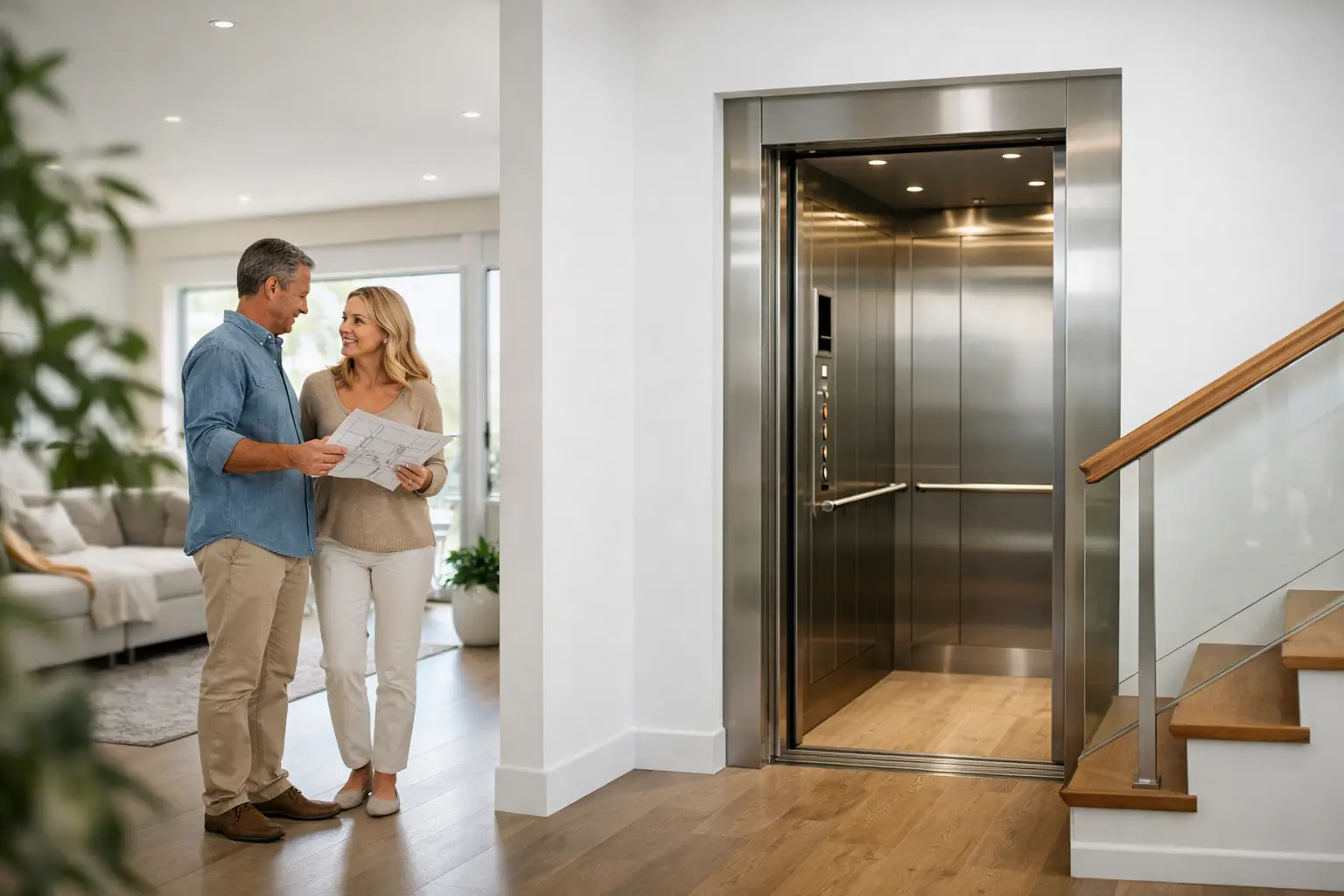
Door swing, hall access, upper-floor clearance, and the route between key living spaces all matter. In a practical sense, the best location is usually the one that makes everyday movement easier, not the one that simply fits on paper. That is why an in-home assessment is so important. It helps identify what is possible structurally and what will actually feel natural once the elevator is in use.
Budgeting realistically for the full project
When people ask what a residential elevator costs, the honest answer is that it depends on more than the elevator model. Equipment cost is one part of the budget, but construction, electrical work, finish choices, permits, and installation conditions can all affect the final number.
A lower-priced unit may seem appealing at first, but if it requires a layout workaround or does not meet long-term mobility needs, it may not be the better value. On the other hand, not every home needs a premium custom build. Many families are best served by a dependable, well-matched system that focuses on safety, ease of use, and the right footprint.
It also helps to think beyond the initial purchase. Maintenance needs, service access, warranty support, and parts availability matter. An elevator is not a one-time box that gets dropped into the home. It is an accessibility system that should continue working reliably year after year.
Safety features worth paying attention to
The safest elevator is not necessarily the one with the longest feature list. What matters is whether the safety features are meaningful, easy to use, and appropriate for the people in the home.
Reliable door interlocks, emergency stop functions, battery lowering or backup features, alarm systems, and clear controls are all worth discussing. If the elevator will be used by an older adult with vision limitations or reduced hand strength, control placement and button design become more important than decorative upgrades.
Ride quality matters too. A system that starts and stops smoothly can make a real difference for users with balance issues or joint pain. Safety is not just about emergencies. It is also about whether the elevator feels steady, predictable, and comfortable every day.
The right elevator should match current and future needs
A common mistake is buying only for today. If mobility is expected to change, the elevator should be selected with that in mind.
For example, a homeowner who currently walks with a cane may later need a walker or wheelchair. A compact cab may work now but become limiting later. That does not mean every family needs the largest possible model. It means future use should be part of the conversation from the start.
This is especially relevant for aging-in-place planning. Many Utah homeowners want to stay in their homes for the long term, and accessibility upgrades can support that goal when they are chosen thoughtfully. An elevator should create confidence for the years ahead, not just solve the immediate problem.
How installation and service affect the buying decision
Even the best equipment can become a frustrating purchase if the installation process is disorganized or support is hard to reach afterward. That is why the company behind the project matters.
A dependable provider should walk you through the home assessment, explain realistic options, and be clear about what construction or preparation is required. They should also be able to answer basic service questions before the sale, including maintenance expectations and who to call if something needs attention later.
For homeowners, that support has real value. Accessibility equipment is personal. Families want confidence that the system will be installed correctly and that help will be available if they need adjustments, repairs, or routine service. Working with a local company that understands the installation environment and can provide ongoing care often makes the process much smoother.
Questions to ask before you choose
A strong residential elevator buying guide should leave you with better questions, not just more product terms. Ask what type of elevator best fits your home layout. Ask how much construction is likely to be involved. Ask whether the recommended model fits your current mobility needs and possible future changes.
You should also ask about weight capacity, cab size, door options, lead times, maintenance, warranty coverage, and service response. If a proposal feels vague, ask for clarification. A major accessibility investment should feel understandable.
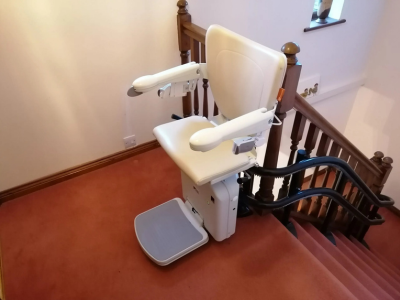
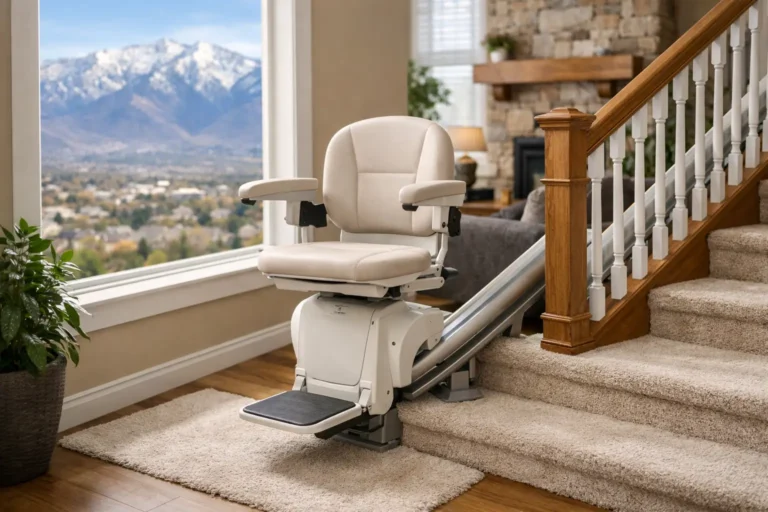
It is also fair to ask whether an elevator is truly the best solution. In some homes, a stairlift or vertical platform lift may be more practical depending on the layout, budget, and mobility needs. A provider who takes a consultative approach should be willing to talk through those differences honestly.
Choosing with confidence
Most families start this process because something in the home no longer feels easy or safe. That can be emotional as well as practical. The right elevator can remove daily stress, reduce fall risk, and make the home feel usable again without giving up comfort or dignity.
At Olympus Stairlifts, that is exactly how these decisions are approached – not as a one-size-fits-all equipment sale, but as a home accessibility solution built around the people who will rely on it. The best purchase is usually not the flashiest model. It is the one that fits your home well, supports independence, and comes with the kind of professional guidance that keeps the process clear from the first assessment to long-term service.
If you are considering a residential elevator, give yourself permission to slow down and ask practical questions. A well-chosen system should make daily life easier, safer, and more comfortable for years to come.