A split-level home can work beautifully for privacy and flow – until stairs start getting in the way. If you are searching for the best lifts for split level homes, the right answer depends less on the house style itself and more on how many level changes you have, how much space is available, and who will use the lift every day.
Split-level layouts create a unique challenge because they rarely involve one long staircase from bottom to top. More often, there are short runs of stairs between entryways, living spaces, bedrooms, or lower-level family rooms. That means the best accessibility solution is not always the biggest or most expensive one. In many homes, a well-matched stairlift handles the problem simply. In others, a vertical platform lift or residential elevator makes more sense, especially if wheelchair access is part of the plan.
What makes split-level homes different
Most mobility products are easier to picture in a traditional two-story home. Split-level homes are different because the elevation changes happen in smaller sections. You may walk in the front door and immediately face a short staircase up and another down. Or the main bedroom level may be only half a flight above the kitchen.
That matters because the layout affects installation, convenience, and cost. A short staircase may be ideal for a straight stairlift. But if movement between levels involves turns, landings, or several separate stair runs, you may need more than one device or a completely different type of lift.
It also matters who is using it. Someone who walks with a cane and tires easily may do very well with a seated stairlift. Someone using a wheelchair will need a different solution. Planning for current needs is important, but so is thinking a few years ahead if aging in place is the goal.
Best lifts for split level homes by layout and mobility needs
There is no single product that fits every split-level house. The best choice usually falls into one of three categories.
Stairlifts for short interior staircases
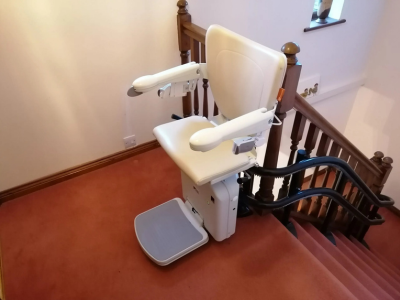
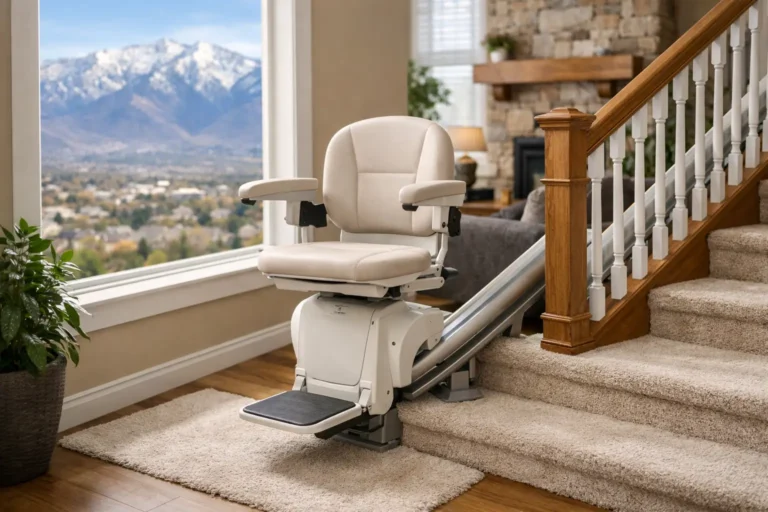
For many homeowners, a stairlift is the most practical answer. Split-level homes often have short, defined staircases, and that is exactly where stairlifts tend to shine. If the stairs are straight, installation is usually more straightforward and less invasive than people expect.
A stairlift is often the best fit when the user can transfer safely from a walker or standing position to a seat. It provides reliable up-and-down travel without major remodeling, and it keeps the existing layout intact. In homes where one staircase creates the biggest daily problem, this can restore access quickly.
The trade-off is that stairlifts are designed for seated use. If a wheelchair needs to travel between levels, a stairlift may not solve the whole problem. Another consideration is whether the home has multiple half-flights that all need attention. One stairlift may solve the most urgent issue, but some families eventually need a broader accessibility plan.
Curved stairlifts for turns and landings
Some split-level homes have stairs that turn at a landing or wrap around. In those cases, a curved stairlift may be the better option. It is built to follow the exact shape of the staircase, which can make it a strong solution when a straight unit will not work.
Curved stairlifts are highly effective, but they are also more custom. That usually means a longer lead time and a higher price than a straight stairlift. Still, for a homeowner who needs to stay in a familiar home and wants safe, dependable movement between levels, the custom fit can be worth it.
This is one of those cases where measurements matter a great deal. Stair width, landing space, door placement, and folding clearance all affect whether the lift will feel comfortable or cramped in daily use.
Vertical platform lifts for wheelchair access
If the user stays in a wheelchair or scooter, a vertical platform lift may be one of the best lifts for split level homes, especially when the rise between levels is modest. These lifts move a person while they remain on their mobility device, which can make everyday travel much easier and safer.
In a split-level home, a vertical platform lift can work well when there is enough floor space at both levels and a clear path for entry and exit. They are especially useful when a short stair run creates a barrier between an entry area and the main living space.
The main limitation is space. A platform lift needs room for the lift itself, safety gates or doors, and usable maneuvering clearance. Not every split-level layout can accommodate that indoors. In some homes, an outdoor placement near a garage or entry may be the smarter solution.
Residential elevators for long-term access
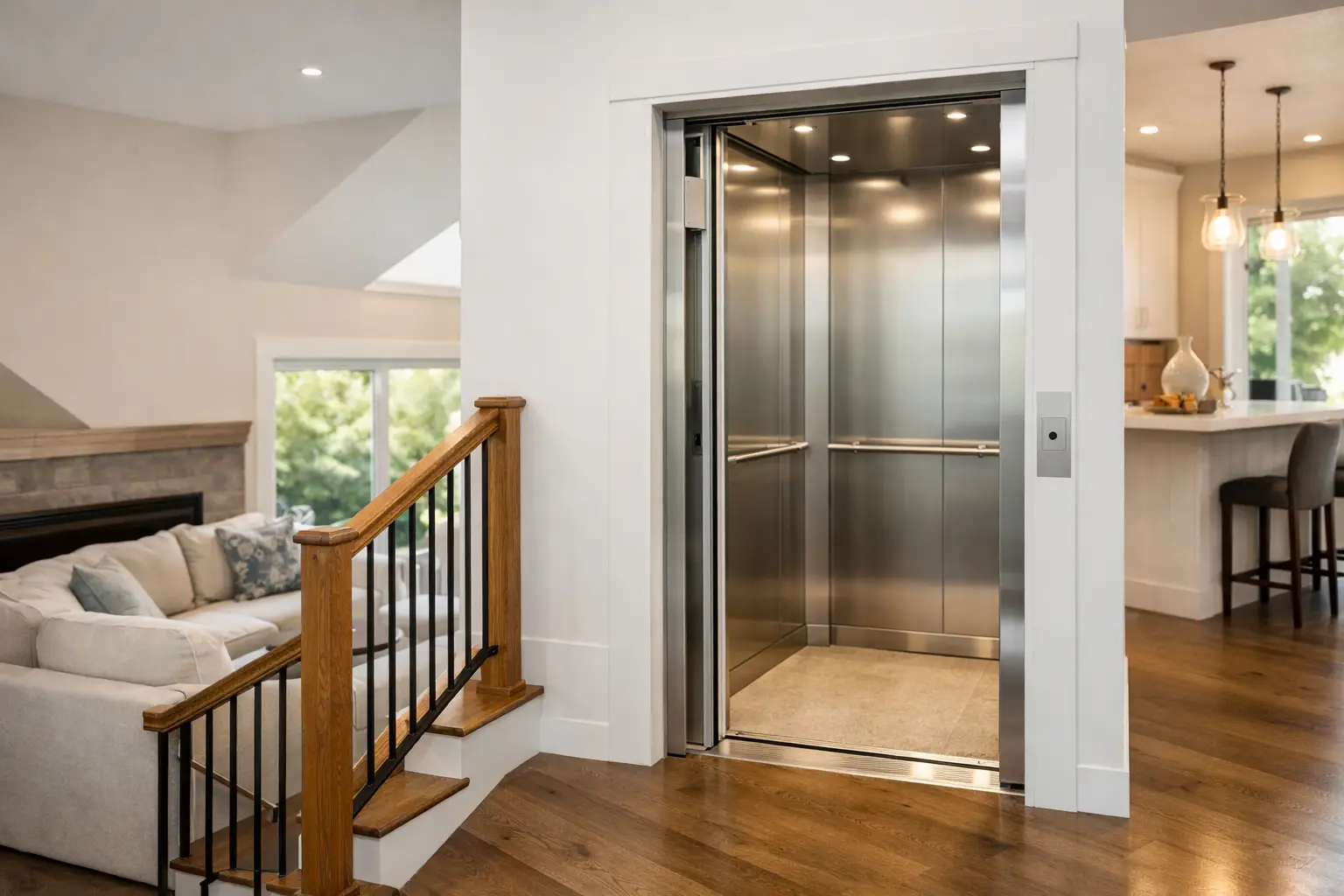
When families want full access between multiple levels and want to plan for long-term mobility changes, a residential elevator can be the most complete solution. This is often the best option for larger split-level homes where several stair runs divide important spaces.
An elevator offers easier travel for the user and can also help with laundry, groceries, and daily comfort. It works well for people with limited balance, reduced stamina, or progressive mobility conditions. It also supports future needs better than many single-purpose solutions.
That said, an elevator is a bigger project. It requires more planning, construction coordination, and investment. In some split-level homes, fitting an elevator into the layout is very achievable. In others, it may involve trade-offs in closet space or room configuration. The key question is whether the household needs a whole-home access solution or relief at one trouble spot.
How to choose the right lift for your home
The best decision usually comes from matching the equipment to real daily routines. Think about which staircase gets used most, whether the user walks or uses a wheelchair, and whether the goal is short-term recovery or long-term aging in place.
A family recovering from surgery may prioritize fast installation and simple operation. In that situation, a stairlift can be the right answer. A household planning for a permanent mobility condition may benefit more from a platform lift or elevator, even if the upfront cost is higher.
Budget matters, but so does usability. The least expensive option is not the best value if it only solves part of the problem. On the other hand, not every split-level home needs a major construction project. Good recommendations come from looking at the home in person, measuring carefully, and understanding how the user moves through the day.
Safety and comfort matter as much as lift type
When people compare lift options, they often focus first on price or installation. Those are important, but daily safety and comfort deserve just as much attention. A lift that feels difficult to get on and off will not be used with confidence.
For stairlifts, seat height, arm support, swivel features, and folding footrests can make a real difference. For platform lifts and elevators, door placement, platform size, controls, and approach space are all part of safe use. The best system should reduce stress, not create a new obstacle.
This is especially important in homes where a spouse, adult child, or caregiver will be helping. Transfers, positioning, and emergency features should feel manageable for everyone involved.
Why a home assessment matters in split-level houses
Split-level homes can be deceptively tricky. On paper, a staircase may look simple. In person, there may be tight turns, narrow hallways, offset landings, or door swings that change what is possible. That is why an in-home assessment matters so much.
A professional evaluation can identify which products truly fit the space and which ones may create issues later. It also helps families compare options based on how the home is actually used, not just how it is drawn on a floor plan. For Utah homeowners, working with a local provider who understands installation conditions, service needs, and turnaround times can make the process feel much more manageable.
Olympus Stairlifts helps families sort through these choices with practical recommendations based on the home, the user, and the level of support needed after installation.
When more than one lift is the right answer
Some split-level homes do not have one perfect fix. If there are multiple short staircases separating key spaces, a combination approach may be the most effective. That could mean a stairlift on the most-used interior stairs and an outdoor lift or platform lift at an entry point.
This kind of plan can actually be more practical than forcing one product to handle every challenge. It allows the home to stay functional without overbuilding the solution. The right setup is the one that makes daily life safer and easier in the places that matter most.
If your home has become tiring, risky, or frustrating to navigate, that does not automatically mean you need to move. In many split-level homes, the right lift can bring back access, confidence, and the comfort of staying where life already feels familiar.