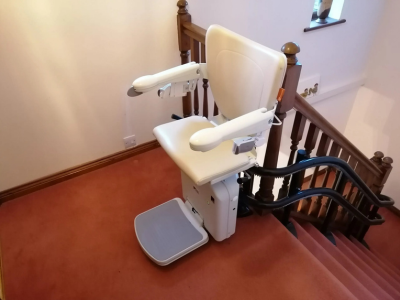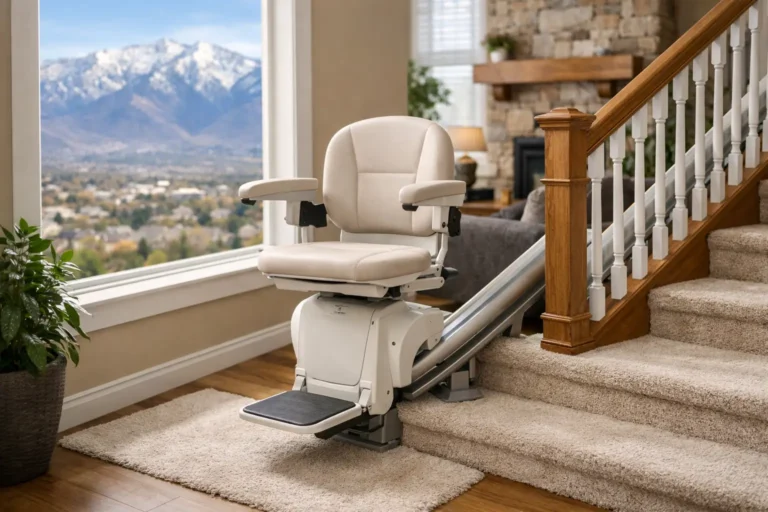

A staircase that felt routine a year ago can start to feel like the hardest part of the house. For many families, that is when questions begin – not just about stairlifts or ramps, but about how to make the whole home safer without guessing. Free at home mobility assessments in Weber and Davis County, Utah give homeowners and caregivers a practical starting point, with guidance based on the actual layout of the home and the real needs of the person living there.
What a mobility assessment actually helps you solve
Most people do not need a sales pitch. They need clarity. A good in-home mobility assessment looks at how someone enters the house, moves between levels, uses bathrooms, carries laundry, gets in and out of bed, and handles everyday routines that have quietly become harder.
That matters because mobility challenges rarely stay in one spot. A homeowner may call because the stairs feel unsafe, then realize the front entry, garage step, or narrow landing is part of the problem too. An adult child may think a stairlift is the obvious answer, only to learn that a short vertical platform lift, a better handrail setup, or a different equipment size makes more sense.
The value of an at-home visit is simple – it replaces assumptions with specifics. Measurements, turning space, power access, staircase width, transfer needs, and outdoor exposure all affect what will work well and what will not.
Why free at-home mobility assessments in Weber and Davis County, Utah matter
In-home assessments are especially helpful when families are trying to make decisions quickly. A recent fall, a hospital discharge, or a new diagnosis can create pressure to act fast. At the same time, no one wants to spend money on the wrong solution.
That is why free at-home mobility assessments in Weber and Davis County, Utah are more than a convenience. They help reduce risk, stress, and costly trial and error. Instead of choosing equipment from photos or rough dimensions, families get recommendations based on the home they actually live in.
Local knowledge helps too. Homes across these areas vary widely. Some have steep front steps, split-level layouts, basement access that is used every day, or exterior conditions that call for weather-rated equipment. A mobility plan that works in one house may be a poor fit in another. Seeing the site in person makes the recommendation stronger and safer.
What happens during an in-home mobility assessment
A professional assessment should feel straightforward, not overwhelming. The goal is to understand the person, the home, and the obstacles standing between them.
The conversation usually starts with the real issue that brought the family in. Maybe stairs are becoming painful after knee surgery. Maybe a parent wants to stay in the home but is avoiding the second floor. Maybe a wheelchair user needs a reliable way to access an entry or garage level. Those details shape every recommendation.
From there, the home is evaluated room by room where needed. Staircases are measured. Landings are checked. Entry points, thresholds, and elevation changes are reviewed. If a lift is being considered, the assessment may also cover power requirements, folded clearance, seat position, track placement, and whether the user can safely transfer on and off the unit.
This is also the time to talk about preferences that families sometimes overlook. Some homeowners want the least visible option. Others care most about speed of installation. Some need a temporary solution during recovery, while others are planning for long-term aging in place. Those priorities matter because the best answer is not always the most advanced product. It is the one that fits the person, the space, and the timeline.
Not every home needs the same solution
One of the biggest benefits of an at-home assessment is that it opens up more than one path forward. If the only question is, “Do we need a stairlift?” families can miss better options.
For a straight interior staircase, a stairlift may be a simple and cost-effective choice. If the staircase has turns, intermediate landings, or a tight layout, a custom curved stairlift may be necessary. If the user relies on a wheelchair and needs to remain seated in it, a vertical platform lift may be the safer fit. For homes where long-term accessibility is a larger concern, a residential elevator may be worth discussing, especially during renovation or when multiple floors need dependable access.
There are also times when equipment is only part of the answer. A safer transfer area, a better rail, or a different approach to entry access can improve daily use and reduce fall risk. That is why a consultative approach matters. Good guidance is not about pushing one category of product. It is about matching the right solution to the real mobility challenge.
How families should prepare for a free assessment
You do not need to have everything figured out before scheduling an assessment. In fact, many people reach out because they are not sure what to ask for yet. Still, a little preparation can make the visit more useful.
It helps to think through when mobility is hardest. Is it first thing in the morning, after fatigue sets in, or only when carrying items up and down stairs? Does the person use a cane, walker, wheelchair, or scooter? Are there recent medical changes that affect balance, strength, or endurance? Answers like these help identify whether the issue is primarily stairs, transfers, standing tolerance, or overall home access.
Families should also mention any timing concerns upfront. If someone is returning home from rehab soon, that can affect which options are realistic. Some solutions can be installed quickly. Others take longer because they require custom manufacturing or more extensive work. A good provider will explain those trade-offs clearly.
Questions worth asking during the visit
An assessment should leave you with confidence, not confusion. That means it is reasonable to ask direct questions.
Ask why a recommendation fits your home better than the alternatives. Ask whether the solution is designed for short-term recovery, long-term use, or both. Ask about maintenance, service, and what happens if needs change in a year or two. If outdoor access is involved, ask how weather affects performance. If multiple family members will use the home differently, bring that up as well.
Budget matters too, and so does honesty around it. Sometimes the lowest-priced option solves the problem well. Sometimes spending more upfront avoids replacing a temporary solution later. The right choice depends on the situation. A trustworthy assessment should make that clear without pressure.
Why local, full-service support makes a difference
Mobility equipment is not just a product purchase. It is part of how someone safely lives at home. That is why service matters as much as selection.
An experienced local provider can assess the home, recommend the right equipment, install it correctly, and provide support afterward. That continuity is important because mobility needs can change. If adjustments, repairs, or maintenance are ever needed, families want to know who to call and what kind of response to expect.
For homeowners in northern Utah, that local support can also mean faster turnaround and recommendations grounded in the types of homes common to the area. Olympus Stairlifts works with families who want practical answers, clear guidance, and solutions that help people remain safe and independent at home.
Free at-home mobility assessments in Weber and Davis County, Utah can prevent rushed decisions
When stairs become a daily worry, families often feel pressure to fix the problem immediately. Acting quickly is sometimes necessary, but rushing without an in-home assessment can lead to the wrong fit, unnecessary expense, or a solution that only partly addresses the issue.
A free assessment creates a better path. It gives you a chance to understand what is truly limiting mobility, what equipment fits the home, and what level of support will be needed over time. Just as important, it brings the conversation back to the person who lives there – their safety, their comfort, and their ability to keep moving through the home with more confidence.
If your home is starting to feel less manageable, the next step does not have to be complicated. A careful look at the space, guided by someone who understands home accessibility, can make the decision much clearer.