A home elevator should feel dependable every time you press the button. If it hesitates, makes new noises, or stops level with the floor a little less precisely than it used to, that confidence can disappear fast. So, do Utah home elevators need maintenance? Yes – and not just to keep the ride smooth, but to protect safety, avoid costly repairs, and help the equipment last as long as it should.
For many homeowners, a residential elevator is not a luxury feature. It is what makes daily life manageable after surgery, safer for an aging parent, or more comfortable for someone planning to stay in their home long term. That makes maintenance less about mechanics and more about peace of mind.
Do Utah Home Elevators Need Maintenance for Safety?
They do. Home elevators are mechanical systems with moving parts, electrical components, doors, controls, and safety features that need to work together correctly. Even a well-built elevator experiences wear over time.
Routine maintenance helps catch small issues before they become serious. A technician may spot a door interlock that needs adjustment, a battery backup that is weakening, or rollers and tracks that need attention. These are not always problems a homeowner can see right away, but they can affect reliability and safety if ignored.
Utah homes also deal with conditions that can make regular service even more worthwhile. Dust, seasonal temperature swings, and day-to-day use all take a toll. In some homes, especially where the elevator is used many times a day, maintenance is simply part of responsible ownership.
What Maintenance Does a Home Elevator Usually Need?
The exact service depends on the elevator type, manufacturer, and how often it is used. A residential elevator is not maintained the same way as a commercial elevator in a public building, but it still needs periodic professional attention.
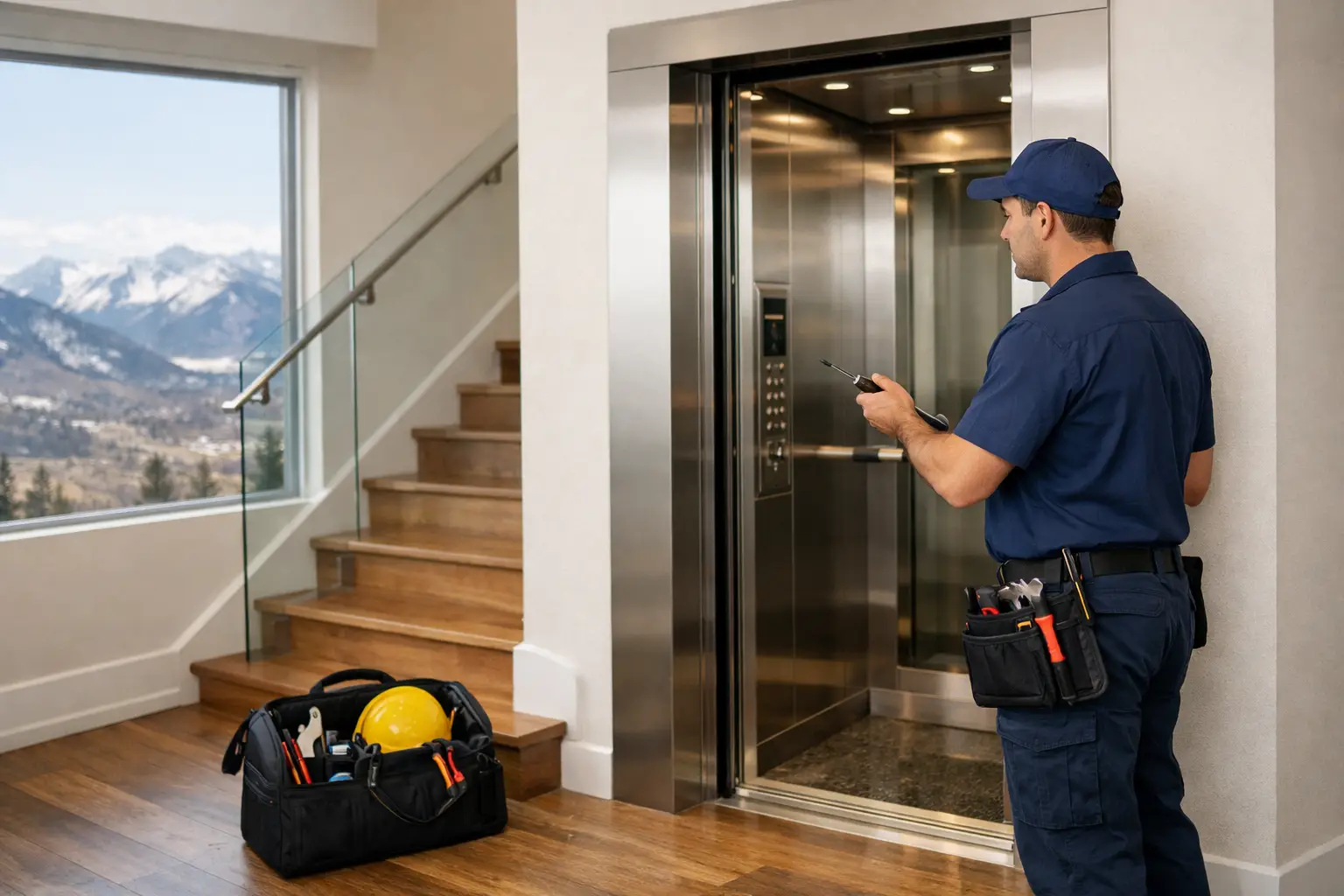
In most cases, maintenance includes inspecting the drive system, checking controls, testing safety features, examining doors and locks, lubricating approved components, and looking for signs of wear. A technician may also confirm that the cab is stopping level with the landing, that the call stations respond properly, and that backup systems are functioning as intended.
This is one of those areas where it depends on the equipment. Hydraulic systems, winding drum systems, and other residential elevator designs have different service needs. Some elevators have machine components that require more frequent adjustment, while others are built to reduce routine upkeep. Even so, lower-maintenance does not mean no maintenance.
How Often Should Utah Home Elevators Be Serviced?
A good rule is to follow the manufacturer’s recommendations and schedule regular service at least once a year. For some households, especially when the elevator is used daily by someone who depends on it, twice-yearly service may make more sense.
Frequency can also change based on age and usage. A newer elevator with light use may need less attention than an older unit that runs several times a day. If the elevator is in a multilevel home where it is part of everyday movement, more frequent inspections can help reduce unexpected downtime.
Families often ask whether annual maintenance is really necessary if the elevator seems to be working fine. Usually, yes. Many issues start small and do not show obvious symptoms until they are more expensive or more disruptive to fix.
Signs Your Home Elevator May Need Service Sooner
You should not wait for a complete breakdown before calling for service. Home elevators often give early warning signs.
If the ride feels rougher than usual, the cab makes grinding or squeaking noises, the doors do not close cleanly, or the elevator pauses longer than normal before moving, it is time to have it checked. The same is true if the cab does not sit level at the landing or if controls respond inconsistently.
Sometimes the signs are subtle. A caregiver may notice that a parent has started hesitating before using the elevator because it no longer feels as smooth or predictable. That kind of change matters. Accessibility equipment should build confidence, not create second thoughts.
Can Homeowners Handle Any Elevator Maintenance Themselves?
Only the basic upkeep that the owner’s manual specifically allows. That usually means keeping the cab clean, making sure door areas stay clear, and watching for obvious changes in performance.
Professional service is the right choice for inspections, adjustments, repairs, and anything involving electrical or mechanical components. Home elevators include safety systems that should be tested by trained technicians. A well-meaning DIY repair can create bigger problems, affect warranty coverage, or make the unit unsafe.
The best homeowner role is simple – use the elevator properly, report changes quickly, and keep up with scheduled service.
Why Skipping Maintenance Usually Costs More
It is easy to postpone maintenance when the elevator still runs. But delayed service often leads to more expensive repairs later.
A part that is slightly misaligned can wear out neighboring components. A door issue that starts as an adjustment may eventually lead to a service call when the elevator will not operate. Batteries, rollers, contacts, and drive-related components all last longer when problems are caught early.
There is also the human cost. If someone in the home relies on the elevator every day, a breakdown is not just inconvenient. It can interrupt routines, limit access to bedrooms or bathrooms, and create real stress for the whole household.
That is why many homeowners see maintenance as part of protecting independence. The elevator is there to make life easier. Regular service helps keep it that way.
Do Utah Home Elevators Need Maintenance if They Are New?
Yes. New equipment still needs scheduled service.
A newer elevator may not need repairs, but maintenance is not only about fixing things that are broken. It is about confirming that everything is operating as it should, checking wear points, and keeping the system in good condition from the start. Think of it the same way you would think about routine service for a vehicle. Waiting until something fails is rarely the best approach.
New installations may also have warranty requirements tied to proper maintenance. That does not mean every elevator has the same terms, but it is another reason to stay on schedule and keep service records organized.
Utah Conditions Can Affect Elevator Performance
Not every article on residential elevators needs to focus on climate, but here it matters. Utah homes can see dry air, dust, and seasonal shifts that affect moving equipment over time. In some properties, especially where garages, lower levels, or entry areas bring in more debris, dust can collect around elevator components faster than homeowners expect.
That does not mean Utah home elevators are unusually fragile. It simply means local conditions are one more reason regular inspections are useful. A technician who understands residential mobility equipment and local service conditions can often spot patterns that a general handyman would miss.
For homeowners across Utah, that local support matters most when an elevator is part of daily living, not an occasional convenience.
What to Expect From a Good Maintenance Plan
A good maintenance visit should be thorough, clear, and tailored to the equipment in your home. You should know what was inspected, whether anything needs attention, and what timeline makes sense for future service.
You should also feel comfortable asking practical questions. Is this noise normal? How often should this model be serviced? Are there wear parts to keep an eye on? Straight answers matter, especially when a family member depends on the elevator.
At Olympus Stairlifts, that service-first mindset is part of helping homeowners stay safe and independent at home. The goal is not to overcomplicate the equipment. It is to keep it reliable and give families confidence that support is available when they need it.
If your home elevator has been running for a while without a professional check, now is a smart time to schedule one. A little attention today can prevent a much bigger interruption later, and that kind of reliability is what makes aging in place feel possible.