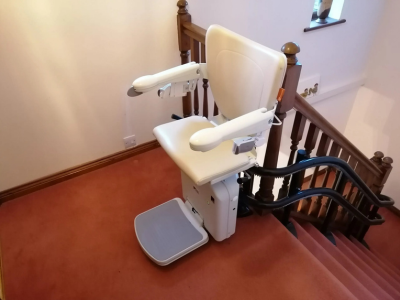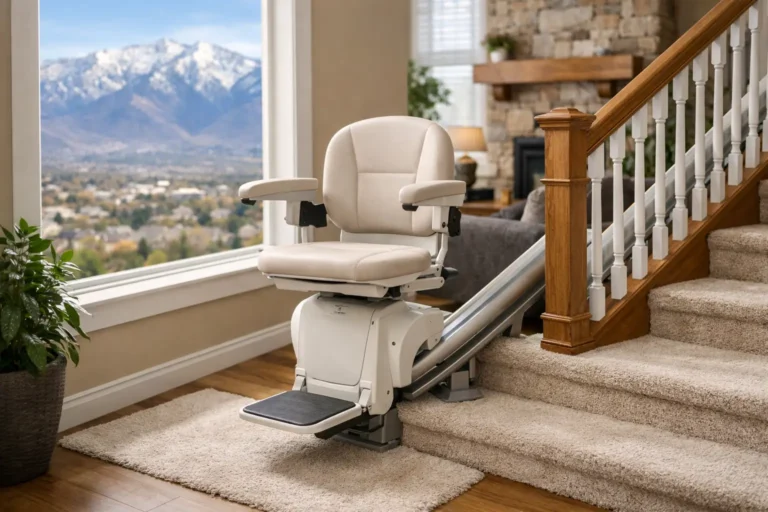
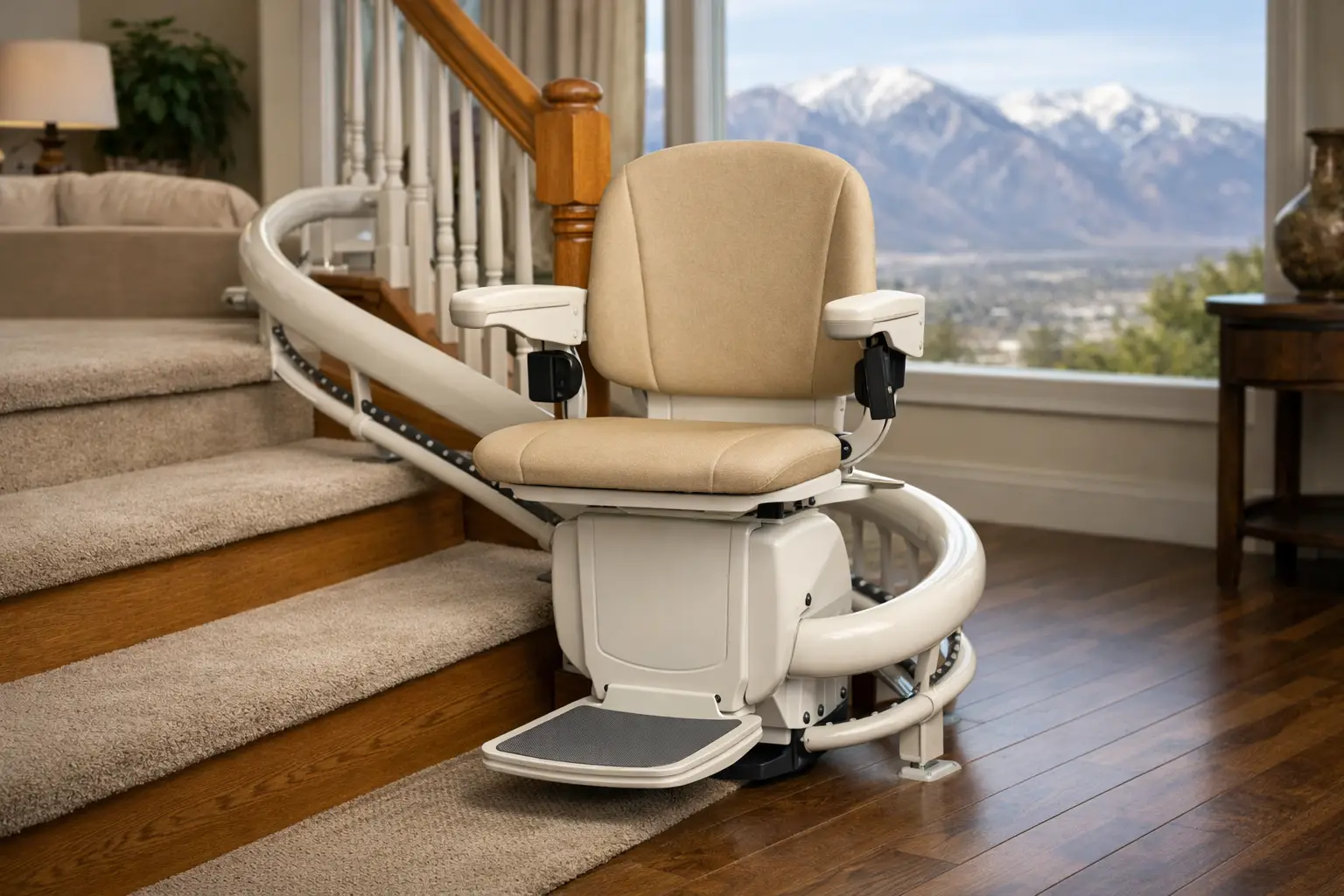
A curved staircase changes the stairlift conversation right away. If your stairs turn at a landing, wrap around a foyer, or follow a more decorative layout, a straight lift usually is not an option. That is where curve stairlift installation in Utah becomes less about picking a standard unit and more about getting the right fit for your home, your mobility needs, and your timeline.
For many families, this decision comes after a fall, a close call, or the growing realization that stairs are becoming a daily source of stress. The good news is that a curved stairlift can make a multi-level home usable again without forcing a move or a major remodel. The key is understanding how installation works and what makes one home different from another.
What curve stairlift installation in Utah actually involves
A curved stairlift is designed for staircases that include turns, intermediate landings, spiral elements, or irregular shapes. Unlike a straight stairlift, which uses a more standardized rail, a curved model requires a rail built specifically for your staircase dimensions.
That custom rail is the biggest reason the process feels different. The installer is not simply bringing in a boxed unit and attaching it to the stairs. The project starts with precise measurements, a review of how the user gets on and off the seat, and a close look at clearance points along the staircase.
In Utah homes, that matters because stair layouts vary quite a bit. Some homes have wide, open staircases with generous landing space. Others have tighter turns, lower ceiling clearance, or entryways close to the bottom step. A proper assessment makes sure the lift works safely in real daily use, not just on paper.
Why custom fit matters more on curved stairs
With a curved lift, small measurement errors can create big problems. If the rail is off, the chair may not park where it should, may crowd the staircase, or may make transfers harder at the top or bottom landing. That is why professional measurement and planning are so important.
A good installation plan looks beyond the staircase itself. It also considers who will use the lift, whether they use a cane or walker, how much swivel room is needed at the top, and whether a folding rail or special parking position would make the space easier for everyone else in the household.
There is also a comfort factor. A stairlift should reduce anxiety, not create a new obstacle course. When the rail is designed correctly, the ride feels natural through each turn, and the user can get on and off with more confidence.
The in-home assessment comes first
The first step in curve stairlift installation in Utah is typically an in-home evaluation. This is where a mobility specialist or technician looks at the full staircase, takes detailed measurements, and asks practical questions about the user’s needs.
This part should feel consultative, not rushed. Some households need a stairlift for a parent aging in place. Others need a short-term solution after surgery, while some are planning ahead before stairs become a serious limitation. Those situations can lead to different recommendations, even in homes with similar staircases.
At this stage, a few things are usually reviewed closely. The condition of the stairs matters, but so do power options, seat size, weight capacity, and how much room remains for other people using the staircase. If the lift user has limited hip mobility, balance concerns, or difficulty transferring from standing to sitting, those details should shape the final setup.
How the rail is made for your staircase
After measurements are completed, the curved rail is manufactured to match the staircase layout. This is one of the main differences between straight and curved projects. A straight lift can often be installed faster because the rail is more standard. A curved lift usually takes longer because the rail must be produced for that exact home.
That extra time can be frustrating if the need is urgent, but it is also what makes the finished result safer and more precise. The rail follows the staircase path closely, which helps preserve walking space and allows the chair to travel smoothly around corners and landings.
In some homes, the design may include parking the chair away from the main living area so it is less visible when not in use. In others, the focus may be on making the transfer at the upper floor as easy as possible. These are the kinds of details that make a custom installation worth the effort.
What installation day usually looks like
Once the rail and lift are ready, installation is typically much more straightforward than people expect. In most cases, the rail mounts to the stair treads, not the wall. That means homeowners usually do not need major wall construction or a large renovation project.
Technicians secure the rail, install the chair and power components, test the travel path, and confirm that safety features are working correctly. They should also walk the user and family through operation, charging, folding the seat and footrest, and basic troubleshooting.
A professional install is not finished when the lift moves up and down. It is finished when the user feels comfortable using it. That hands-on instruction matters, especially for older adults who may feel hesitant at first.
Timing, cost, and other practical questions
Curved stairlifts generally cost more than straight stairlifts because of the custom rail and more specialized manufacturing. The exact price depends on the staircase shape, rail length, seat options, and any added features needed for the user.
Timing also varies. If you are planning ahead, that is ideal, because curved units are not usually same-day solutions. If the need is more immediate, it helps to talk with a local provider early so you understand realistic lead times and any temporary options that may help in the meantime.
There is a trade-off here. A curved lift takes more planning and usually a bigger investment, but for the right home, it can restore safe access to an entire floor of the house. For many families, that makes the decision less about convenience and more about whether a loved one can continue living comfortably at home.
Safety features are only part of the picture
Most curved stairlifts include standard safety features such as seatbelts, obstruction sensors, swiveling seats, and call-send controls. Those features are important, but safety also depends on proper fit and proper use.
For example, the safest seat in the world will not help much if the top landing transfer feels cramped or unstable. Likewise, a beautifully designed rail can still create frustration if the user cannot easily operate the controls. This is why personalized setup matters so much.
Homes with multiple users may also need a little more planning. If one person relies on the lift but others still walk the stairs every day, the folded profile of the unit and the parking position become more important. Good installation balances accessibility with everyday household flow.
Why local experience helps in Utah homes
Utah homes include everything from older houses with narrower staircases to newer builds with tall entryways and sweeping stair designs. A provider with local installation experience can often spot layout issues earlier and recommend solutions that fit the home more naturally.
That local support also matters after installation. Stairlifts are mechanical systems, and like any important home equipment, they benefit from service, maintenance, and responsive support if something is not working right. When families are making a decision tied to safety, knowing who will answer the phone later is part of the purchase.
Olympus Stairlifts works with Utah homeowners who want that kind of guidance from the first home assessment through installation and ongoing service. For families trying to make a smart decision quickly, that continuity can remove a lot of uncertainty.
Is a curved stairlift the right solution?
It depends on the staircase, the user’s mobility, and the long-term plan for the home. In many cases, a curved stairlift is the best answer because it lets someone use the home they already love without taking on a disruptive remodel. In other cases, especially if wheelchair access is needed from one level to another, a different accessibility solution may make more sense.
That is why a real in-home assessment matters more than online guesswork. Pictures can help, but they do not tell the whole story about transfer space, landing safety, or how the user moves day to day.
If your staircase has curves, turns, or landings, the right stairlift is not just about getting from one floor to the next. It is about making home feel manageable again, with less fear and more confidence each time the stairs come into view.