A split-level entry, a narrow bathroom door, a laundry room in the basement – these are ordinary home features until stairs start feeling harder, balance becomes less reliable, or a recovery changes what daily life looks like. Aging in place in Utah home modifications is really about one thing: making the home work for the person living in it, not forcing the person to work around the home.
For many families, the decision starts before there is a crisis. A parent has had a close call on the stairs. A spouse is relying more on the handrail. Someone is coming home after surgery and the layout suddenly matters in a way it never did before. The good news is that most homes can be improved in practical, thoughtful ways, and those changes do not all need to happen at once.
What aging in place in Utah home modifications really means
Aging in place means staying in your home safely, comfortably, and with as much independence as possible as your mobility needs change. Home modifications are the physical changes that make that possible. Sometimes that means adding better lighting and grab bars. Sometimes it means installing a stairlift, vertical platform lift, or residential elevator because the main barrier is not a small inconvenience – it is a floor change that makes part of the home hard to reach.
In Utah, this conversation often comes with a few local realities. Many homes have basements, split-level entries, steeper exterior grades, and multiple stories. Winter weather can also turn a few outdoor steps into a real fall risk. That is why the right plan is rarely about one product by itself. It is about how someone enters the home, moves through it every day, and continues using the rooms that matter most.
Start with the places where falls are most likely
The smartest first step is not guessing which modification sounds best. It is looking closely at where daily movement is already becoming difficult. Entryways, staircases, bathrooms, and bedrooms usually tell the clearest story.
An entry with uneven steps or no stable handrail can become a problem long before someone thinks of themselves as needing accessibility equipment. Inside the home, stairs are often the biggest dividing line between partial independence and full access. Bathrooms are another major concern because transferring in and out of a tub or stepping onto a slick surface demands more balance and strength than many people realize.
Bedrooms matter too, especially when the only full bathroom is on another floor. A home may feel manageable during the day, then become much less safe at night when someone is tired, in pain, or rushing to the bathroom in low light.
The most useful home modifications often come in layers
Not every home needs a major renovation. In fact, the best aging in place plans usually combine smaller upgrades with one or two larger solutions where they matter most.
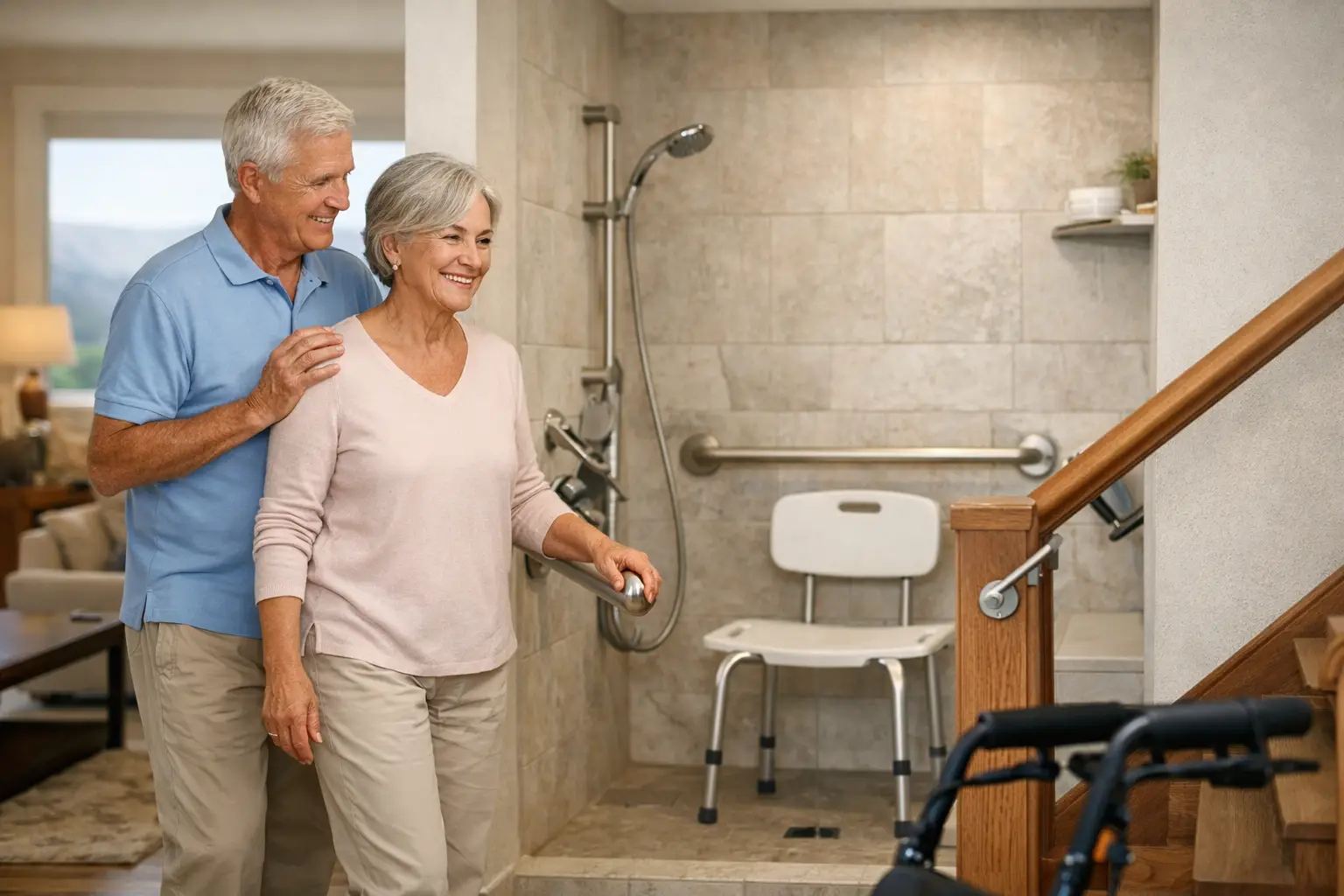
Simple changes can make a meaningful difference. Wider walkways, better lighting, lever-style door handles, non-slip flooring, and secure railings help reduce strain and improve confidence. In bathrooms, comfort-height toilets, walk-in showers, shower seating, and well-placed grab bars can make daily routines much safer.
But there is a point where smaller improvements stop solving the main problem. If a homeowner is avoiding a second floor, sleeping in a recliner because the bedroom is upstairs, or limiting trips in and out of the house because of steps, the issue is no longer convenience. It is access. That is where mobility equipment becomes part of the conversation.
When stairlifts, platform lifts, or elevators make sense
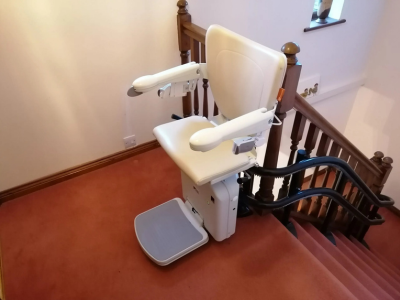
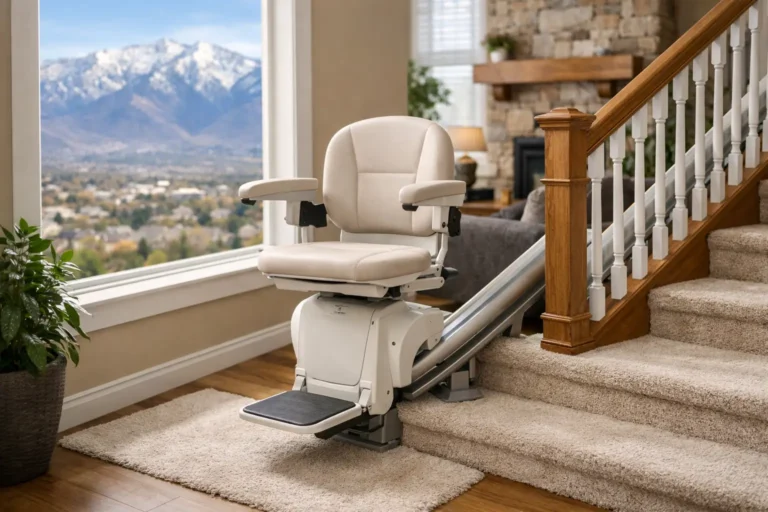
A stairlift is often the most direct answer when stairs are the main obstacle and the existing staircase can support a rail system. For many homeowners, it is less disruptive than remodeling and faster to put in place. It also allows someone to continue using the bedrooms, laundry area, or basement they already depend on.
A vertical platform lift may be a better fit when a homeowner uses a wheelchair or scooter, or when exterior steps create a barrier at the front porch, garage, or deck. These lifts can provide safer access without requiring a long ramp that takes up too much space.
A residential elevator can make sense in a larger home or in a situation where long-term planning is the priority. It is a bigger investment and requires more coordination, but for some families it offers the best mix of comfort, accessibility, and future value.
There is no one-size-fits-all answer here. The right solution depends on mobility level, available space, home layout, and budget. It also depends on how long the equipment is expected to serve the household. A short-term recovery need may call for a different approach than a progressive condition or a retirement plan built around staying put for years.
How to decide what to change first
The most effective way to plan aging in place in Utah home modifications is to separate urgent safety issues from longer-term improvements. If there is already a high fall risk, start there. If stairs are preventing access to essential rooms, that becomes the priority. If the home is mostly functional now but likely to become harder to navigate over time, the goal is to make smart upgrades before daily life is disrupted.
It helps to ask practical questions rather than broad ones. Can the homeowner get from the driveway into the house without assistance? Can they reach a bathroom and bedroom on the same level? Are they using every area they need, or quietly giving up parts of the home? Are caregivers lifting, guiding, or physically supporting movement on stairs? Those details reveal more than a general sense that the house feels difficult.
A home assessment is especially valuable when families are unsure whether a remodeling project is necessary or whether a lift solution would solve the issue more efficiently. In many cases, people assume they need to move walls or relocate rooms when the real barrier is simpler and more specific.
Budget matters, but so does timing
Cost is part of every home modification decision, and it should be. Families want to spend carefully and choose solutions that match real needs. At the same time, delaying too long can create costs of its own. Falls, rushed moves, temporary sleeping arrangements, and repeated assistance from family members all take a toll.
Smaller modifications are usually easier to budget for and can often be done in phases. Larger equipment installations require more planning, but they can also prevent the need for more extensive remodeling. The less obvious trade-off is between doing the cheapest thing now and doing the most effective thing once. If a staircase will continue to be a daily obstacle, repeated workarounds may not save money in the long run.
That is why straightforward guidance matters. A dependable provider should be able to evaluate the home, explain options clearly, and recommend what fits the situation rather than pushing the biggest system available.
Why local knowledge helps in Utah homes
Home accessibility is always personal, but local housing styles matter. In Utah, many homes include basement living areas, garage entries with steps, and exterior elevation changes that make access more complicated than it appears on paper. Snow, ice, and cold-weather conditions can also change what a safe entrance looks like from one season to the next.
A solution that works well in a flat, single-level layout may not be the best answer for a hillside property or a multi-story home with a frequently used lower level. That is one reason families often benefit from working with a team that understands how these homes are built and what installation challenges can come with them. Olympus Stairlifts works with Utah homeowners in exactly those situations, helping match mobility equipment to the way the home is actually used.
A good plan protects independence without making home feel clinical
One concern families often have is that accessibility changes will make the home feel institutional. In reality, the best modifications support safety while preserving comfort and dignity. A stairlift that lets someone sleep in their own bedroom, a lift at the garage entry that restores easy access, or bathroom updates that reduce fear of falling can help the home feel more livable, not less.
That emotional side matters. Aging in place is not only about reducing risk. It is about protecting routines, privacy, and confidence. When someone can move through their home with less effort and less fear, everyday life gets better.
If you are thinking about changes for yourself, a parent, or a spouse, start with the obstacles that are already shaping daily life. The right modification does not have to be dramatic to be life-changing.