A home elevator is rarely an impulse purchase. Most families start looking when stairs have become exhausting, painful, or risky, and they want a real answer about what this change will cost before they make any decisions. If you are researching home elevator installation cost, the most honest answer is that price depends on the elevator itself, the layout of your home, and how much construction is needed to make the system fit safely.
For many homeowners, a residential elevator falls somewhere in the broad range of roughly $35,000 to $75,000 or more when equipment, installation, and related construction are all part of the project. Some simpler projects land lower, and larger custom installations can go much higher. That range is wide for a reason. Two homes can need the same basic function – safe access between floors – and still require very different work.
What affects home elevator installation cost?
The biggest cost driver is the type of elevator being installed. Residential elevators are not all built the same way, and the lift mechanism changes both the equipment price and the installation requirements. Hydraulic systems, traction systems, pneumatic models, and shaftless designs each come with different strengths, limitations, and price points.
A traditional elevator with a full hoistway usually costs more than a compact model because it requires more construction. If your home already has space that can be adapted, the project may be more straightforward. If walls need to be opened, framing changed, or a new shaft built from scratch, labor and materials can rise quickly.
Travel distance matters too. A two-stop elevator serving the main level and an upper floor is usually less expensive than a three-stop system. The cab size, weight capacity, door configuration, and finish options also influence final cost. A clean, functional setup is different from a highly customized cab with upgraded materials and design details.
Equipment cost versus construction cost
One of the most common points of confusion is assuming the elevator price and the full installation price are the same thing. They are not. The elevator unit itself is only part of the total investment.
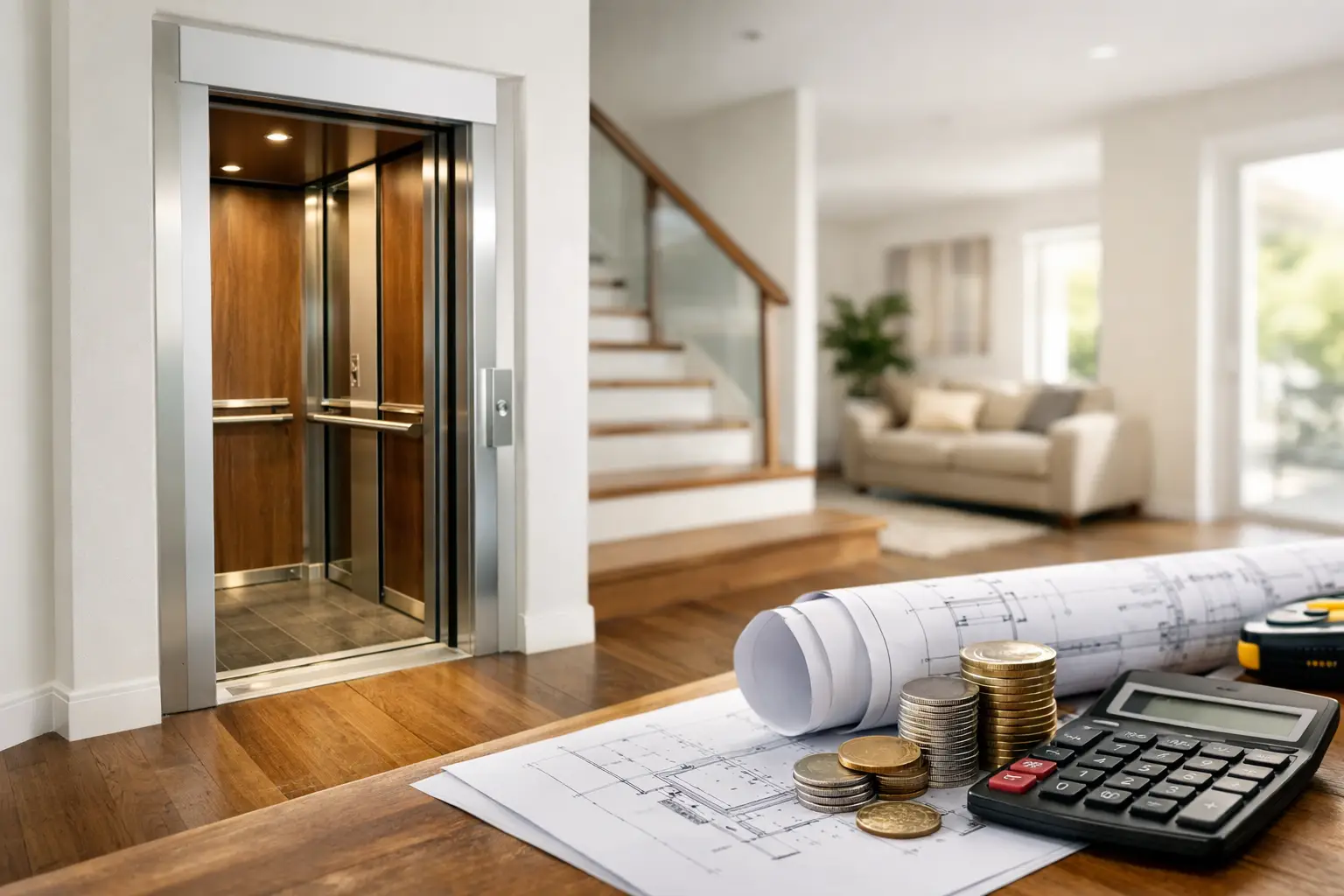
When people ask about home elevator installation cost, they are usually asking about the full project cost, which can include the elevator, site preparation, electrical work, permits, carpentry, drywall repair, finishing, and final testing. In some homes, the construction side is modest. In others, it is the part that changes the budget the most.
For example, a newer home with a layout that allows for efficient placement may need less modification. An older home with tighter spaces, load-bearing walls, or more complicated routing may require more structural work. Ceiling height, floor openings, and machine space all play a role.
This is why in-home evaluations matter so much. Looking at a brochure or online estimate can be helpful for ballpark planning, but it cannot tell you what your specific home will require.
Typical price ranges by project type
Most homeowners benefit from thinking about cost in tiers instead of expecting one fixed number.
An entry-level residential elevator project may start around the mid-$30,000s if the system is relatively simple and the home is a good fit. Mid-range projects often land in the $45,000 to $60,000 range once installation and construction are included. Higher-end or more customized projects can move beyond $75,000, especially if the elevator serves multiple floors or the home needs substantial remodeling.
That does not mean the most expensive option is the right one. Many families are not looking for luxury. They want dependable access, safe operation, and a solution that helps them stay in the home they love. In those cases, the best value often comes from choosing a system that fits the home well rather than overbuilding.
Why existing home layout matters so much
The layout of your home can either support the project or make it more complex. A well-placed closet stack, open corner, or planned addition can create an efficient path for a residential elevator. If that path already exists, installation may be more predictable.
If space is tight, the installer may need to explore different elevator types or alternate locations. Sometimes the best answer is still a home elevator. Other times, a different accessibility solution may make more sense depending on budget, mobility needs, and how long the equipment will be used.
That is especially true for families balancing immediate mobility concerns with long-term planning. Someone recovering from surgery may have different needs than a homeowner making permanent aging-in-place improvements. The right recommendation should match both the home and the person using it.
Hidden or overlooked costs to plan for
Even when homeowners expect a major purchase, there are a few cost categories that can still catch them off guard.
Permits and inspections may be required depending on the scope of the work and local code requirements. Electrical upgrades can add cost if the existing service is not sufficient for the equipment. Finish work around the elevator opening, flooring transitions, and paint or trim repair may also be part of the final bill.
There are also long-term ownership costs. Residential elevators should be professionally maintained to keep them operating safely and reliably. That does not mean constant repair issues, but it does mean service should be part of your planning. Choosing a provider that can install and support the equipment over time often matters just as much as the upfront price.
Does a home elevator add value?
For some homeowners, yes – but not always in the way people expect. A home elevator can make a property more functional and more appealing to buyers who value accessibility, multigenerational living, or aging in place. It may also help a homeowner avoid moving, which has its own financial and emotional cost.
Still, it is best not to treat a residential elevator like a simple resale upgrade. Its greatest value is usually practical. It makes daily life easier, lowers the strain of stairs, and can reduce the fear of falls for someone whose mobility has changed.
That kind of value is hard to measure on a spreadsheet, but families feel it every day. Being able to sleep in an upstairs bedroom, reach a laundry room, or move safely between levels can make the home usable again.
Home elevator installation cost versus other mobility options
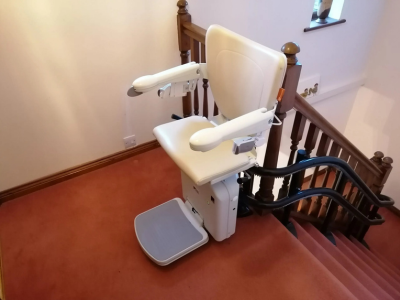
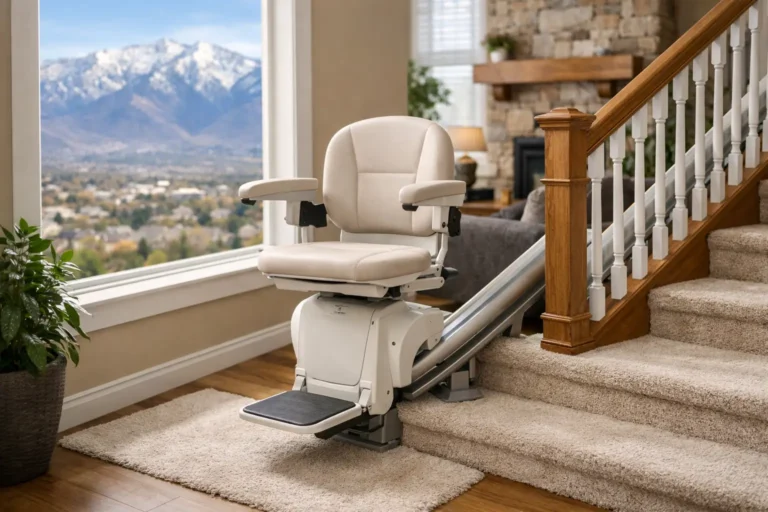
A home elevator is one of the most comprehensive accessibility upgrades available, but it is not the only option. For some households, a stairlift or vertical platform lift may solve the problem at a lower cost and with less construction.
That is where honest guidance matters. If a person can transfer safely and only needs help navigating a staircase, a stairlift may be the more practical choice. If wheelchair access is the priority, the recommendation may be different. A home elevator tends to make the most sense when the goal is full between-floor access, easier transport of people and items, and long-term convenience throughout the house.
The cost is higher, but so is the level of access. The right comparison is not just price versus price. It is function versus function.
How to budget for a home elevator installation cost
Start with a site-specific quote, not a national average. Generic numbers can help you understand the ballpark, but they do not reflect your floor plan, your construction needs, or the equipment that fits your home best.
It also helps to separate must-haves from nice-to-haves. Safety, code compliance, and dependable operation belong in the must-have category. Custom finishes and upgraded interior details may be worth considering, but they should be weighed against the overall project budget.
If you are planning ahead rather than responding to an urgent mobility change, this is a good time to think about future needs too. Installing a system that works for you now and later can prevent another major project down the road.
For Utah homeowners, local experience can make the planning process much easier. Homes vary widely in age, layout, and construction style, and a provider that handles in-home evaluations, installation, and service can usually give clearer guidance than an online estimate ever will. Olympus Stairlifts works with families who want practical answers, not guesswork, and that kind of support can take a lot of stress out of a major decision.
What a good estimate should include
A useful estimate should explain more than just the price of the elevator. It should outline the recommended system, the number of stops, what construction is expected, and whether electrical work, permits, and finishing are included.
That clarity helps families compare options fairly. A lower quote is not always the better value if it leaves out necessary work or does not include ongoing service support. On the other hand, a higher quote should come with a clear explanation of what is being provided and why it fits the home.
When a mobility solution affects safety and independence, confidence matters. The best next step is usually not chasing the lowest number. It is getting a recommendation that fits your home, your budget, and the way you want to live there for years to come.