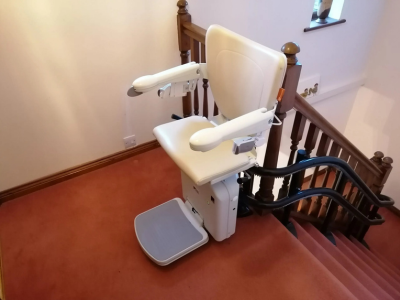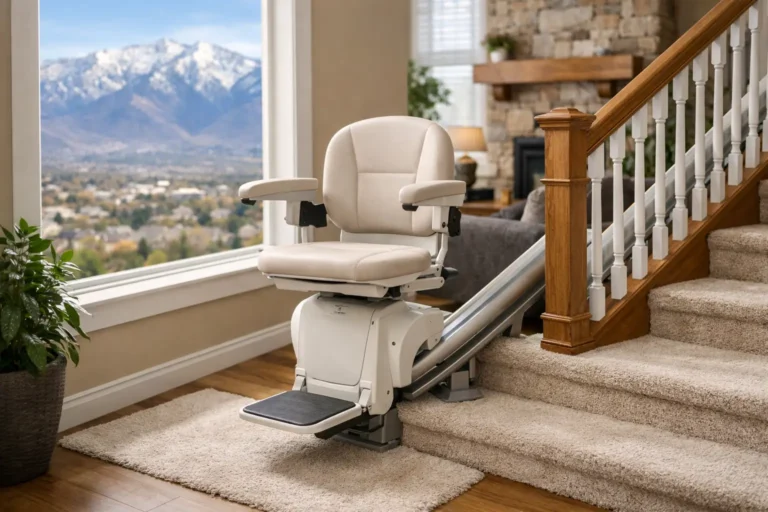
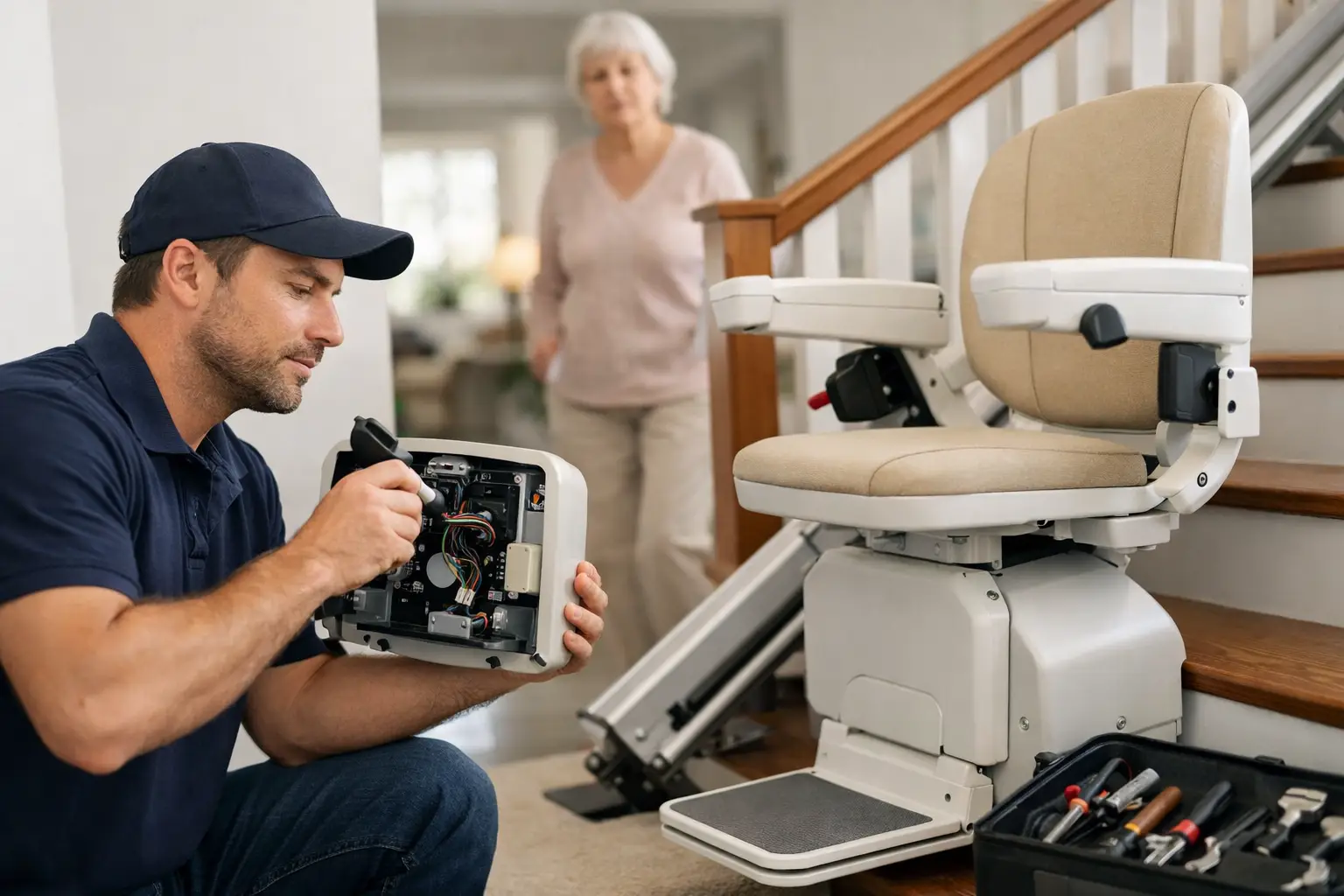
When a stairlift stops working, it is rarely just an inconvenience. It can turn an entire floor of your home into a place you cannot safely reach. If you have searched for stairlift repair near me, you are probably not looking for general advice. You want to know what to do next, how urgent the problem is, and whether a local service team can get your lift working again quickly.
That urgency makes sense. For many homeowners, a stairlift is not optional equipment. It is what allows daily life to continue without the strain, risk, or fear of using the stairs. A repair issue can affect independence, safety, and peace of mind all at once.
When stairlift repair near me is the right search
Not every problem means the lift has failed completely. Sometimes the chair still powers on but stops partway up the track. In other cases, it may beep, move slowly, refuse to charge, or stop responding to the call/send controls. These are all signs that service may be needed.
A few issues are minor. A swivel seat may not be fully locked into place. The footrest may be blocked. The unit may have been switched off accidentally, or the charger may not be making proper contact. But if the same problem keeps coming back, or the lift stops working without a clear reason, it is time to have it inspected.
This is where local repair matters. A stairlift is a mechanical and electrical system installed in a specific home layout. Fast response is important, but so is experience with real residential equipment and the conditions around it. A qualified local technician can usually spot whether the issue is battery-related, track-related, control-related, or a safety sensor problem.
What to check before calling for service
There are a few basic things homeowners and caregivers can check safely before scheduling a repair. The key word is safely. If anything feels uncertain, stop and call for help.
First, confirm the lift has power. Some units have a main power switch on the chair base or armrest. If it has been bumped off, the stairlift may appear dead even though nothing is broken. Next, look at the charging points. Stairlifts rely on batteries, and if the chair is not parked in the correct charging position, the batteries may drain and the lift can stop working.
It also helps to check for simple obstructions. Something as small as a rug edge, pet toy, or item stored near the stairs can interfere with the footrest safety sensors. Many lifts are designed to stop when they detect an obstacle. That is a good safety feature, but it can also make the problem seem more serious than it is.
Take a look at the seat position as well. If the seat is folded oddly or not fully locked for travel, the lift may not move. The same goes for armrests and footrests on certain models. Safety interlocks are built to prevent movement when the chair is not in the correct operating position.
If those basic checks do not solve the issue, avoid repeated trial and error. Pushing buttons over and over or trying to force a chair to move can make diagnosis harder and may create additional wear.
Common stairlift problems and what they often mean
A stairlift that beeps constantly often points to charging or positioning issues. The chair may not be parked where it needs to be, or the batteries may be wearing out. Batteries are one of the most common replacement items because they naturally lose capacity over time, even with proper use.
A lift that moves slowly, hesitates, or stops unexpectedly may be dealing with weak batteries, dirty charging contacts, a sensor issue, or a problem along the rail. If the unit starts and stops at the same place repeatedly, the track or a specific safety point may need inspection.
If the chair does not respond at all, the issue may be as simple as a tripped outlet or switched-off unit. It could also be related to internal electronics, a failed control, or battery failure. The challenge is that the symptom alone does not tell the whole story. Two stairlifts can behave the same way for completely different reasons.
Unusual noises deserve attention too. Grinding, clicking, or strain sounds are not something to ignore. Some sounds come from normal use, especially on older equipment, but new or worsening noise is often an early warning that service is needed before a small issue becomes a larger repair.
Why local service makes a real difference
When people search for stairlift repair near me, they are usually trying to solve two problems at once. They need the equipment fixed, and they need confidence that help is nearby if something happens again.
That local connection matters more than many people realize. A stairlift is not a one-size-fits-all appliance. It is installed to fit a specific staircase, a specific user, and a specific home. Repair work is best handled by technicians who regularly service residential accessibility equipment and understand how installation, maintenance, and long-term performance all connect.
For Utah homeowners, working with a local company can also mean faster scheduling, easier follow-up, and service from people who understand the importance of keeping mobility equipment dependable through every season. That is especially valuable for households where the stairlift is used every day and downtime is not a small inconvenience.
Repair or replace? It depends on the lift
One of the most common questions families ask is whether they should repair the stairlift or replace it. The honest answer is that it depends.
If the issue is battery-related, sensor-related, or tied to a worn component, repair is often the practical choice. Many stairlifts can continue serving a home well after routine parts replacement and maintenance. In those cases, a repair restores safe use without the cost of replacing the whole system.
But there are times when replacement deserves a serious look. If the lift is much older, parts are difficult to source, or service calls are becoming frequent, putting more money into repairs may not be the best long-term decision. The same is true if the user’s mobility needs have changed and the current lift no longer offers the right level of comfort or support.
A trustworthy provider should not push one answer for every home. They should assess the condition of the unit, explain what failed, and help you compare short-term repair costs with long-term reliability.
How to choose a stairlift repair company
The best repair provider is not just the one who can show up first. Speed matters, but so do training, parts access, and familiarity with the type of lift in your home.
Look for a company that works specifically with home accessibility equipment, not just general handyman services. Stairlifts involve drive systems, batteries, safety circuits, rail alignment, and user controls. A technician should understand how those systems work together and how to test them safely.
It also helps to choose a company that provides installation and ongoing service, not repairs alone. That usually means they have a deeper understanding of how lifts are fitted to homes and what tends to cause problems over time. Companies such as Olympus Stairlifts, which support customers from evaluation through installation and service, tend to approach repairs with the bigger picture in mind.
Clear communication matters too. You should know whether the technician believes the problem is urgent, what the likely fix involves, and whether replacement parts may be needed. A good service experience should leave you feeling informed, not pressured.
Preventing future stairlift breakdowns
Most stairlifts benefit from regular maintenance, especially in homes where they are used multiple times every day. Preventive service can catch battery wear, contact issues, loose components, and sensor problems before they lead to a shutdown.
Simple habits help as well. Keep the track area clear. Park the chair where it charges properly. Pay attention to changes in sound or performance. If the stairlift starts acting differently, do not wait for a complete failure before calling.
That said, maintenance does not prevent every repair. Parts wear out. Batteries age. Electronics can fail. The goal is not perfection. It is reducing surprises and keeping the lift reliable enough that the user can count on it every day.
The real goal is confidence at home
A working stairlift does more than carry someone up and down the stairs. It protects routines, reduces fall risk, and helps people stay in the home they know. When that equipment stops working, the fastest fix is not the only thing that matters. You also want service that restores confidence.
If you are searching for stairlift repair near me, focus on a provider who understands that this is about more than machinery. It is about getting your home back to working the way it should, so daily life feels safe, manageable, and familiar again. The right repair support should do exactly that.