When mobility changes within a multi-level home, safety and independence become top priorities for Utah homeowners. Whether managing the natural progression of aging or recovering from a surgical procedure, navigating a staircase can quickly shift from a minor inconvenience to a serious daily hazard. For many families, the immediate thought of adding accessibility equipment brings to mind images of dusty construction zones, structural beam modifications, and expensive home renovations that disrupt household routines for weeks.
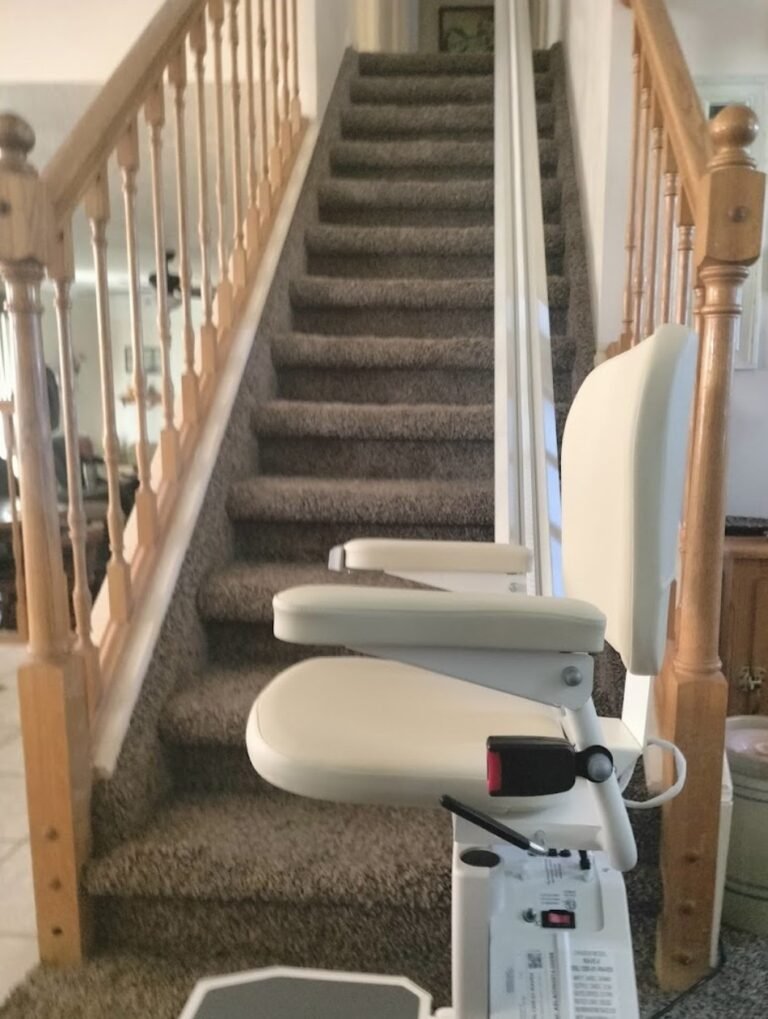
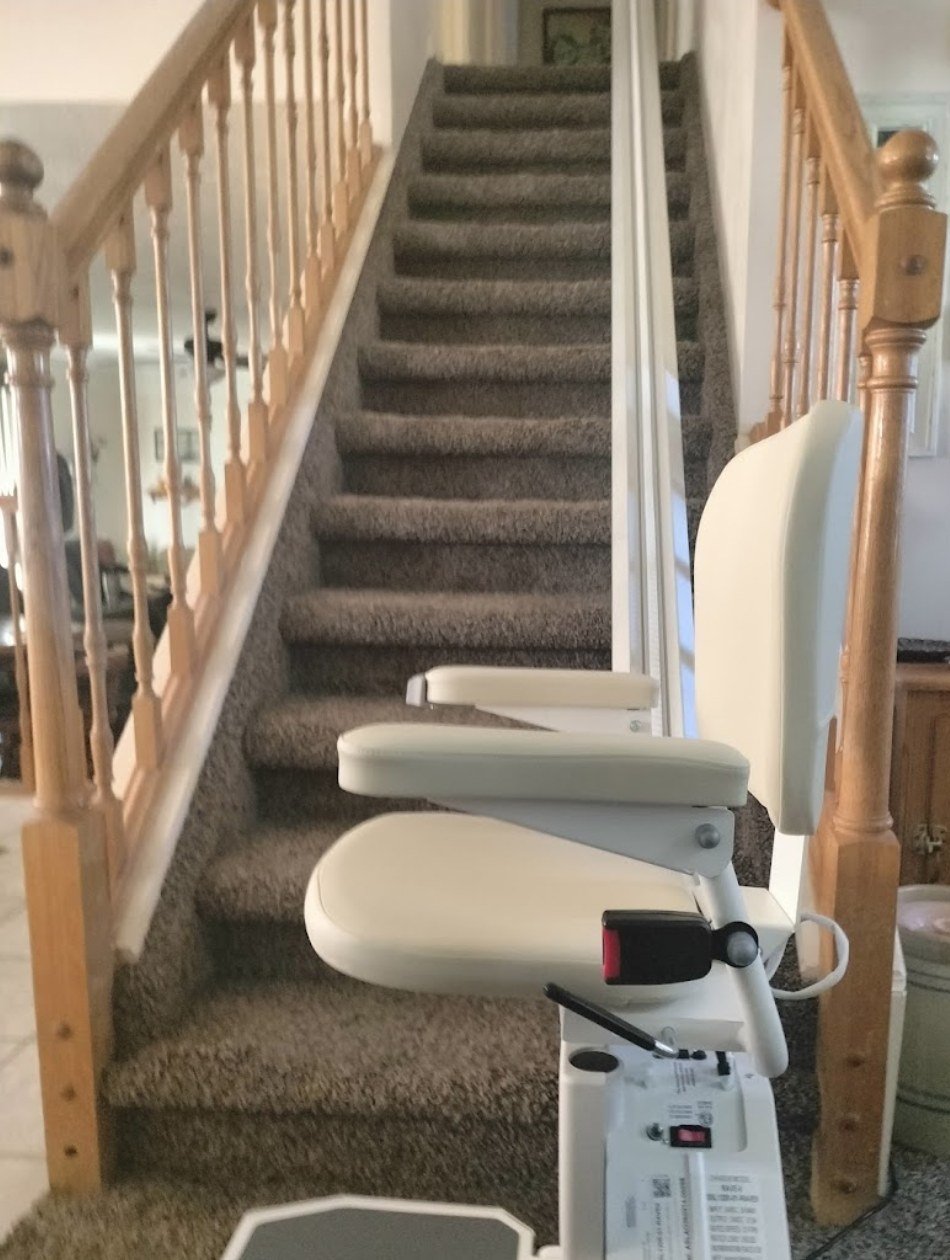
Fortunately, modern mobility solutions have evolved significantly. If you have been wondering whether a stair lift can be installed without major remodeling, the direct answer is a resounding yes. In the vast majority of residential settings, a professional stair lift installation requires zero structural framing, no drywall removal, and no modifications to the load-bearing walls or architecture of your home. Instead of anchoring into the wall studs, a contemporary stair lift mounts directly to the treads of your existing staircase, making the process remarkably straightforward, clean, and efficient.
How Stair Rails Mount Securely to Your Steps
One of the most common misconceptions among homeowners is that stair lifts require heavy structural support built into the adjacent hallway wall. In reality, the entire weight of the chair and its rider is supported by the stairs themselves rather than the walls. This engineering design protects your home’s interior finishes while ensuring absolute structural integrity and user safety.
The track mechanism of a stair lift is fastened using specialized brackets that bolt securely directly onto the wooden or concrete stair treads. Because these anchor points are distributed along the run of the staircase, the weight load is safely shared across multiple steps. If your home features hardwood stairs, carpeted steps, or even masonry stairs, professional installers utilize hardware specifically rated for those materials. The small holes drilled into the stair treads during installation are minimal. Should the lift ever need to be removed in the future, the attachment points can be easily patched or replaced without leaving noticeable structural damage.
Furthermore, because the rail sits closely alongside the handrail or hugging the inner boundary of the steps, it leaves the opposite side of the staircase completely untouched. Family members who do not require the chair can still walk up and down the stairs normally by using the existing handrail, ensuring that the staircase remains functional for the entire household.
Assessing Staircase Width and Clearance Requirements
Before any equipment is ordered or installed, a thorough physical assessment of your staircase is necessary. While major remodeling is almost never required, physical dimensions do matter to ensure safe passage and comfortable operation. Technicians look at specific clearance metrics to determine suitability.
The standard width requirement for a typical straight staircase usually starts around thirty inches from wall to handrail, though modern slim-profile lifts can often accommodate slightly narrower configurations. When the chair is parked at the top or bottom of the stairs, it may occupy a portion of the landing area. To address potential obstructions near doors or hallways, manufacturers offer innovative folding options. The seat, footrest, and even a section of the lower rail can fold upward compactly against the wall when not in use.
In homes with tight entryways or doors positioned immediately at the base of the stairs, a powered folding hinge can be integrated into the track. This feature automatically folds the bottom portion of the rail up and out of the way when the lift is called or parked, ensuring that emergency egress routes and everyday pathways remain completely unobstructed without requiring any structural wall relocation.
Electrical Requirements and Power Solutions
Homeowners often worry that adding a motorized chair lift will require hiring an electrician to run dedicated high-voltage wiring or punch new channels into finished drywall. Fortunately, stair lifts are designed to operate using standard household electrical current.
A typical stair lift plugs into any standard, uninterrupted 110-volt wall outlet located near the top or bottom of the staircase. The internal power system relies on advanced rechargeable direct-current battery packs housed right within the unit. These batteries charge continuously whenever the chair rests at a designated charging station on the track.
This battery-powered design offers two major practical advantages. First, it eliminates unsightly dangling cords or complex electrical rewiring. Second, it ensures uninterrupted operation during a power outage. If a storm knocks out local power lines, your stair lift will continue running smoothly for multiple trips up and down until electrical service is restored. Because no heavy electrical remodeling is required, the installation process remains clean, fast, and entirely non-invasive.
Straight Versus Curved Staircases: Installation Complexity
The layout of your staircase is the primary factor influencing how the track is manufactured and installed, yet neither layout requires home remodeling.
Straight Stair Lifts
Designed for uninterrupted, single-flight staircases without turns, landings, or curves. The rail is custom-cut on-site to match the exact length of your stairs, allowing for rapid installation often completed in just a few hours.
Curved Stair Lifts
Ideal for staircases featuring turns, intermediate landings, or 90-degree and 180-degree bends. The rail is custom-engineered using precise digital measurements to seamlessly contour around corners and follow the precise geometry of your unique stairwell.
Even with curved staircases that require custom-fabricated tracks, the installation process avoids structural remodeling. The custom rail is built off-site based on exact professional measurements and arrives in modular sections that bolt together securely on your existing steps. No walls are moved, and no structural supports are altered to accommodate the turns.
The Importance of Professional Measurements and Assessment
While the physical installation process is straightforward, achieving a safe, custom fit requires precision engineering and expert assessment. Attempting a DIY installation using generic or secondhand equipment purchased online can lead to alignment issues, safety hazards, and improper weight distribution on your stairs.
Professional technicians utilize specialized digital measuring tools to map out the pitch, rise, and run of your staircase down to the millimeter. This ensures that the custom rail matches every curve or incline angle perfectly. Professional assessment also accounts for user-specific factors, such as seat height adjustments, swivel capabilities for safe boarding, weight capacity ratings, and control placement for individuals with arthritis or limited hand dexterity.
When you work with experienced specialists like Olympus Stair Lifts, the entire evaluation and installation workflow is handled seamlessly. Technicians arrive equipped with the right tools, hardware, and safety testing protocols to ensure your equipment is fully operational and compliant with all local safety standards before they leave your home.
Common Limitations and Practical Considerations
Although stair lifts can be installed without remodeling in almost every residential home, certain architectural edge cases deserve careful evaluation during your initial consultation:
- Extremely Narrow Stairwells: If a staircase is narrower than the minimum operational threshold and cannot accommodate both the folded chair and a walking path, alternative options such as vertical platform lifts or home modifications may need to be explored.
- Low Headroom: In older homes or finished basements, low ceilings or sloped architectural bulkheads near the top or bottom of the stairs might require the user to duck slightly when boarding or exiting the chair.
- Heavy Traffic and Obstructions: If the stairway serves as the primary and only exit route for multiple household members with high mobility needs, configuration planning must ensure the parked chair does not block emergency egress.
- Carpet Thickness: Thick, plush carpeting compressed under mounting brackets can sometimes settle over time, requiring a quick follow-up check to tighten anchor bolts and ensure absolute stability.
Discussing these potential hurdles with a trained professional during your initial consultation ensures that unexpected surprises are avoided and that the selected equipment model matches your home layout correctly.
Frequently Asked Questions About Stair Lift Installation
Homeowners exploring accessibility upgrades often have similar questions regarding the physical impact on their property. Here are straightforward answers to common concerns:
Will a stair lift ruin my hardwood stairs?
No. The mounting brackets secure into the treads using small screws. On hardwood steps, these holes are discrete and can be filled and touched up easily if the lift is ever removed, restoring the wood to its original appearance.
How long does a typical installation take?
For standard straight stair lifts, professional installation usually takes between two to four hours from start to finish. Curved stair lifts may take slightly longer—typically half a day—due to the intricate alignment of custom rail sections.
Can a stair lift be installed outdoors?
Yes. Weather-resistant outdoor stair lifts are specifically engineered with marine-grade vinyl, protective covers, and treated metallic components to withstand outdoor weather conditions on porch steps or exterior deck stairs without requiring structural roofing or remodeling.
See a real-world Utah stair lift installation guide, or call Olympus Stair Lifts at 385-430-7420 to arrange a free in-home evaluation. We serve homeowners throughout Utah.
Summary and Next Steps
Installing a stair lift is one of the most efficient, non-invasive ways to restore multi-level accessibility and safety to your home. By mounting directly to your existing stair treads and operating on standard household electrical outlets with battery backup, modern lifts bypass the need for disruptive construction, drywall repairs, or structural remodeling.
If you or a loved one are ready to regain safe, independent access to all levels of your home without the hassle of a messy home renovation, exploring your options is the best next step. Professional guidance ensures your staircase is measured accurately and equipped with the ideal model for your lifestyle.
Ready to Explore Your Stair Lift Options?
Contact Olympus Stair Lifts today to schedule a professional in-home assessment and discover how easily accessibility can be added to your home.